




**Is Dental Treatment in Mainland China Suitable for Elderly Individuals?**
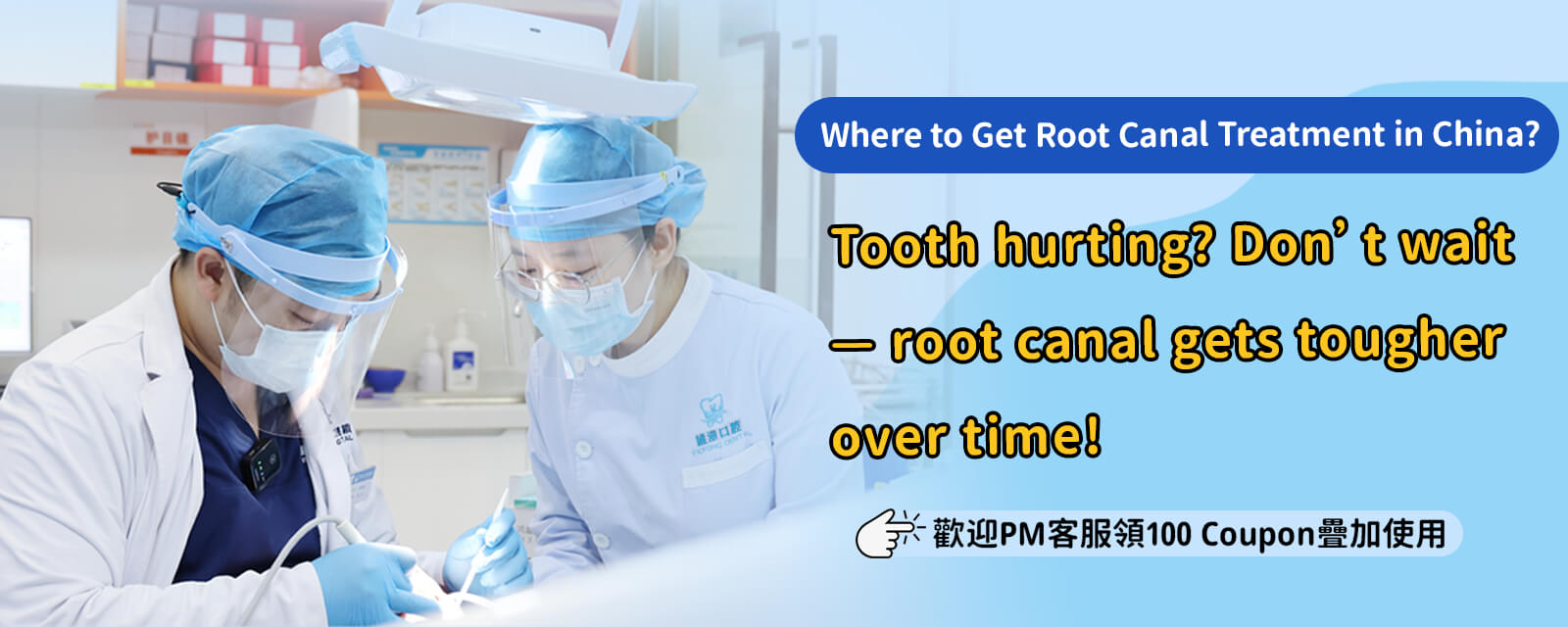
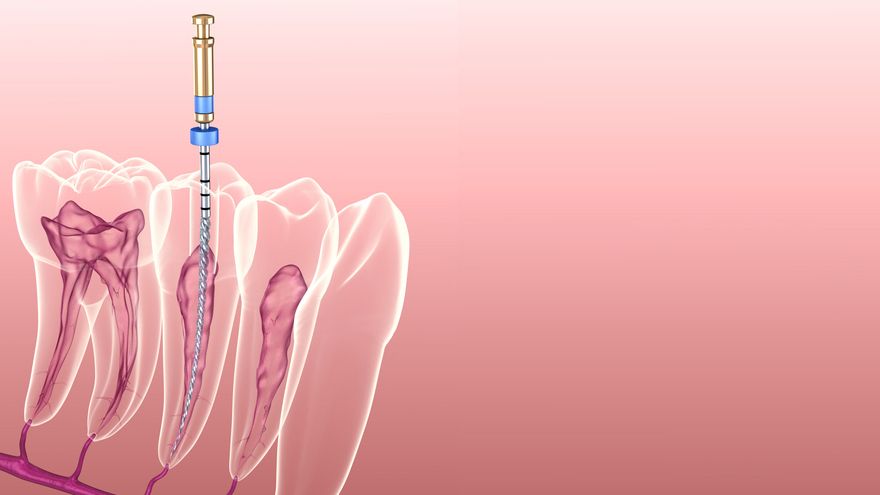
In recent years, many Hong Kong residents have considered traveling to Mainland China for dental care, particularly for complex procedures like root canal treatment. A root canal is a method for addressing dental pulp issues, primarily aiming to clear infections and preserve the function of the tooths root and crown. But is this an appropriate choice for elderly individuals?
### Assessing Dental and Physical Health
First, it is essential to evaluate the dental and overall health condition of elderly individuals. Many older adults may suffer from tooth erosion, periodontal disease, or have undergone numerous dental repairs, which might affect their root condition differently than younger individuals. Root canal procedures require a certain foundation of dental health; if bone loss is severe or the teeth are extremely fragile, the post-treatment stability might be compromised. Therefore, before heading to Mainland China, a comprehensive dental examination in Hong Kong to assess the suitability of undergoing a root canal is advisable.
### Considering Transportation and Time
Transportation and time management are crucial factors to consider. Dental treatments in Mainland China often require multiple visits over several days, as root canals may need two or three sessions along with follow-up care. Elderly individuals with mobility issues or those requiring family assistance should consider the time and physical exertion involved in travel. Planning your trip or selecting a dental clinic close to the border crossings can reduce the travel strain.
### Effective Communication
Effective communication is also vital. Although Cantonese is widely spoken in Hong Kong and Guangdong Province, differences in medical terminology can occur. Elderly patients may experience hearing difficulties, potentially missing important information or misunderstanding treatment details. It is recommended to choose a dentist who can explain procedures clearly in Cantonese, and bringing a trusted family member can ensure transparency and peac
e of mind during treatment.
### Evaluating Hygiene and Equipment Quality
Hygiene and equipment quality are critical considerations. While dental clinics in Mainland China have improved, standards can vary significantly. Elderly individuals, having relatively weaker immune systems, require stringent hygiene standards during dental treatments, including sterilization procedures and the availability of disposable tools. Researching online reviews or asking for personal recommendations rather than relying solely on advertising can be beneficial.
### Psychological Comfort and Adaptation
Psychological comfort and adaptation should not be overlooked. For many elderly individuals, traveling abroad for dental treatment might induce nervousness or unease. Its advisable, especially for first-time visitors, to begin with a simple examination in Hong Kong to familiarize themselves with the treatment process before scheduling a root canal in Mainland China. This approach can ease unfamiliarity and ensure a more reassuring treatment experience.
### Post-Treatment Follow-Up Care
Lastly, post-treatment follow-up is crucial. A root canal isnt a one-time solution; ongoing care involves crown protection, wound healing, and restoring dental function, which require regular check-ups. If returning to Mainland China for follow-ups is inconvenient, it is crucial to find a Hong Kong dentist to ensure lasting treatment effectiveness.
### Conclusion
Overall, dental treatment in Mainland China, such as a root canal, may not be entirely unsuitable for elderly individuals, but several factors need consideration: physical condition, transportation, communication, clinic hygiene, psychological preparedness, and follow-up care. If these aspects are well addressed, traveling to Mainland China could be a viable option that yields favorable treatment outcomes. However, dental health is a long-term investment. Regardless of where treatment is sought, finding a professional dentist that caters to individual needs and maintaining excellent daily oral hygiene habits are paramount for sustaining dental health over decades.
















