




### Is the Failure Rate High for Root Canal Treatment in Mainland China?
In recent years, many Hong Kong residents have considered traveling to mainland China for dental treatments, particularly root canal procedures. The main attraction is often the lower cost, coupled with the perception that dental technology in the mainland is rapidly advancing. However, the fundamental question on everyones mind is — what is the failure rate like for undergoing root canal treatment in mainland China? This question cannot be answered simply and depends on several factors.
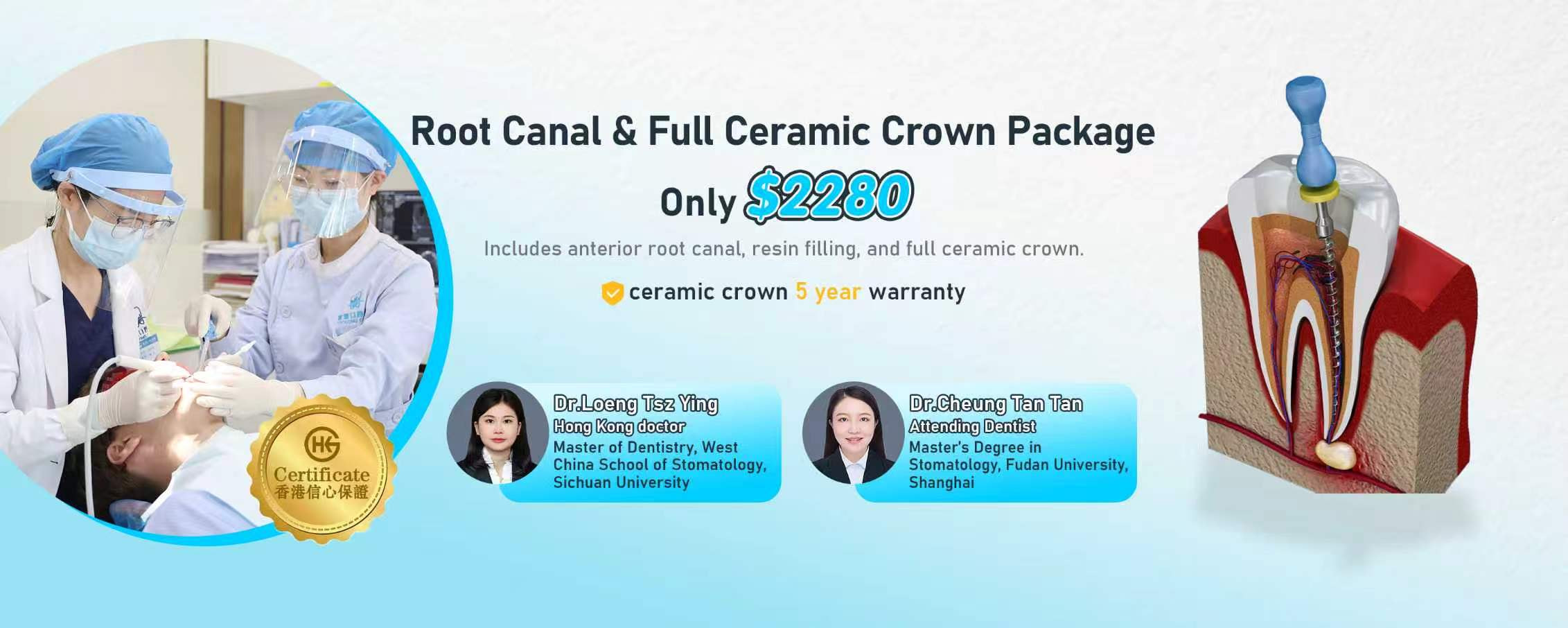
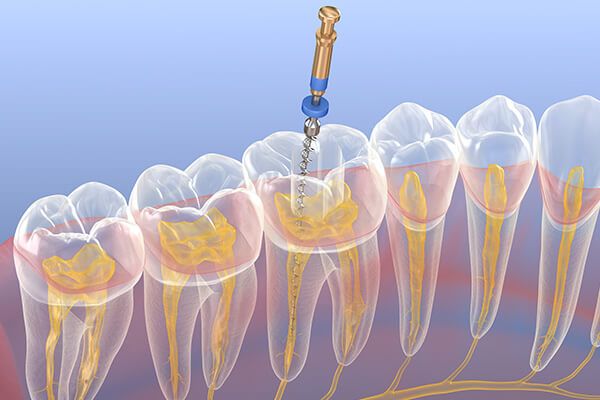
First, let’s understand what a root canal is. Medically known as "endodontic treatment," a root canal is necessary when a tooths pulp becomes inflamed, necrotic, or severely decayed. The procedure involves removing the infected tissue from within the tooth, disinfecting the area, and then filling and sealing it to preserve the natural tooth without extraction. This is a delicate process requiring a dentist with steady hands and experience.
When discussing failure rates, it is important to note that root canal treatments have a risk of failure, regardless of whether they are performed in Hong Kong or mainland China. Failure can occur if the infection is not thoroughly cleared during the procedure, if the filling materials are inadequately sealed allowing bacteria to re-enter, or if patients fail to follow post-treatment care and miss follow-up appointments. Additionally, a tooth with severe cracks or deep inflammation naturally has a lower success rate.
Several factors affect the success of root canals in mainland China:
1. **Dentist’s Qualifications and Experience**: There is variability in dental expertise across different cities and clinics in China. If you find a dentist with substantial experience and modern equipment, the success rate can be significantly higher. Large dental chains in China often use state-of-the-art technology, such as microscopes for enhanced precision in root canal treatments.
2. **Clinic Hygiene and Equipment**: Given the intricate nature of root canal procedures, stringent sterilization is crucial to avoid re-infection. Therefore, assessing the clinics hygiene standards and equipment quality is vital.
3. **Communication and Follow-up**: Cross-border treatment poses challenges such as travel time and distance. If multipl
e follow-up visits are required and frequent travel between locations is inconvenient, treatment continuity could suffer, increasing risks. Its advisable to fully understand the treatment plan, including the number of visits and intervals, to ensure it is manageable for you.
Some suggest that the success rate for root canal treatments in mainland China may not necessarily be lower compared to Hong Kong, or could even be similar. This is due to factors such as the systematic training many Chinese dentists undergo and the rapid advancement in dental technology and equipment in China, aligning with international standards. However, issues like non-standard operations or inadequate communication in some locations can diminish the effectiveness of procedures. The key lies in choosing a reliable dentist and clinic.
If you are seriously considering getting a root canal in mainland China, it’s prudent to do thorough research. Consult trusted friends or read online reviews instead of making decisions driven solely by cost considerations. Remember, root canal success isnt solely about the dentists skill; patient cooperation is equally important. For example, patients should avoid biting hard objects with the treated tooth, maintain oral hygiene, and adhere to follow-up schedules. A cross-border treatment requires psychological and logistical readiness.
In addition to these factors, dental health management plays a significant role. Poor brushing habits, frequent consumption of sugary foods or drinks, or delaying dental visits until severe issues arise can increase treatment complexity and prolong recovery. Regardless of location, maintaining daily dental care and minimizing infection risks are essential for extending the life of your teeth.
In conclusion, traveling to mainland China for a root canal does not necessarily imply a higher failure rate compared to Hong Kong and may even offer comparable or better outcomes, provided the dentist and clinic possess the necessary skills and equipment, and you adhere to the recommended care plan. Cross-border medical procedures have their advantages but also present challenges in terms of distance and follow-ups. To truly minimize failure rates, it’s crucial to maintain a consistent, compliant, and patient-focused treatment approach to maximize the success of your root canal therapy.
















