








**Will Getting Root Canal Treatment Up North Affect Occlusal Balance?**
In recent years, many residents of Hong Kong have opted to travel up north for dental treatments, with root canals, also known as endodontic treatments, being a common choice. This decision might be due to convenient transportation, flexible scheduling, or simply having a dentist they know in that region. However, a common concern arises: Can undergoing a root canal treatment affect occlusal balance? Lets explore this topic in a relaxed manner.
**What is a Root Canal?**
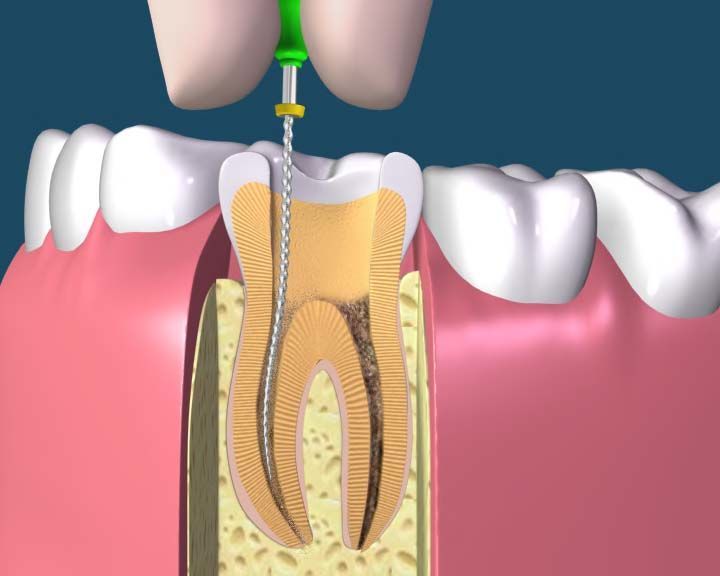
A root canal primarily addresses conditions such as pulpitis, pulp necrosis, or severe tooth decay. During the procedure, the dentist removes the infected pulp, disinfects the root canal, then fills and seals it. After treatment, it is common to have a crown placed on the tooth to protect it from further damage.
**The Importance of Occlusal Balance**
Occlusal balance refers to the even distribution of forces when the upper and lower teeth meet, with teeth in optimal contact positions. Poor occlusal balance can lead to excessive force on certain teeth, potentially causing tooth mobility, periodontal issues, or inefficient chewing in the long run.
**How Root Canals Can Affect Occlusion**
A root canal itself doesnt necessarily alter occlusal balance directly. However, if the shape or height of the post-treatment crown slightly deviates from the original tooth, the bite feeling may change. Such changes in occlusal relationships could cause certain teeth to bear more or less force over time, potentially affecting overall occlusion.
Additionally, teeth that have undergone root canals no longer have pulp tissue, reducing their sensitivity and force detection. Slight occlusal changes might not be immediately noticeable, making early signs of occlusal issues harder to detect.
**Considerations for Getting a Root Canal Treatment Up North**
When considering treatment up north, its essential to evaluate the clin
ics technology and equipment and consider follow-up care. Post-treatment adjustments may require multiple visits for fine-tuning the occlusion. If the distance complicates scheduling, it could become cumbersome.
Different dentists may have varying approaches to assessing occlusion. Some emphasize bite paper tests, while others use more precise instruments. If treatment is split between different dentists for the initial and follow-up visits, communication may vary. Therefore, understanding these aspects beforehand is advisable.
**Tips to Minimize the Risk of Affecting Occlusal Balance**
1. **Clearly Communicate Feelings**: If you feel any change in bite height or alignment after treatment, inform your dentist immediately for onsite adjustments.
2. **Schedule Regular Check-ups**: Even without discomfort, teeth that have undergone root canals should be regularly checked to ensure the crown and occlusion are stable.
3. **Observe Chewing Habits**: Avoid consistently chewing on one side to maintain an even distribution of forces.
4. **Crown Quality and Design**: Select crowns that suit your occlusal needs in both shape and material to enhance durability and comfort.
**Practical Advice**
Many people notice a slight difference in chewing post-root canal, which is a normal adjustment phase. With proper occlusal adjustment, the new sensation should become familiar in a few days. However, if discomfort persists, its crucial to consult your dentist. While eating, deliberately chew slowly to sense contact points between your upper and lower teeth, allowing for early detection of any issues.
**Conclusion**
Undergoing a root canal treatment up north doesnt inherently affect occlusal balance, but the treatment process and aftercare are critical. Regardless of the treatment location, remember that occlusal adjustments are an essential part of dental care. Effective communication and regular follow-ups ensure stable occlusion and long-lasting dental health.
















