





**Will Getting a Root Canal Treatment in Mainland China Affect Your Bite Alignment?**
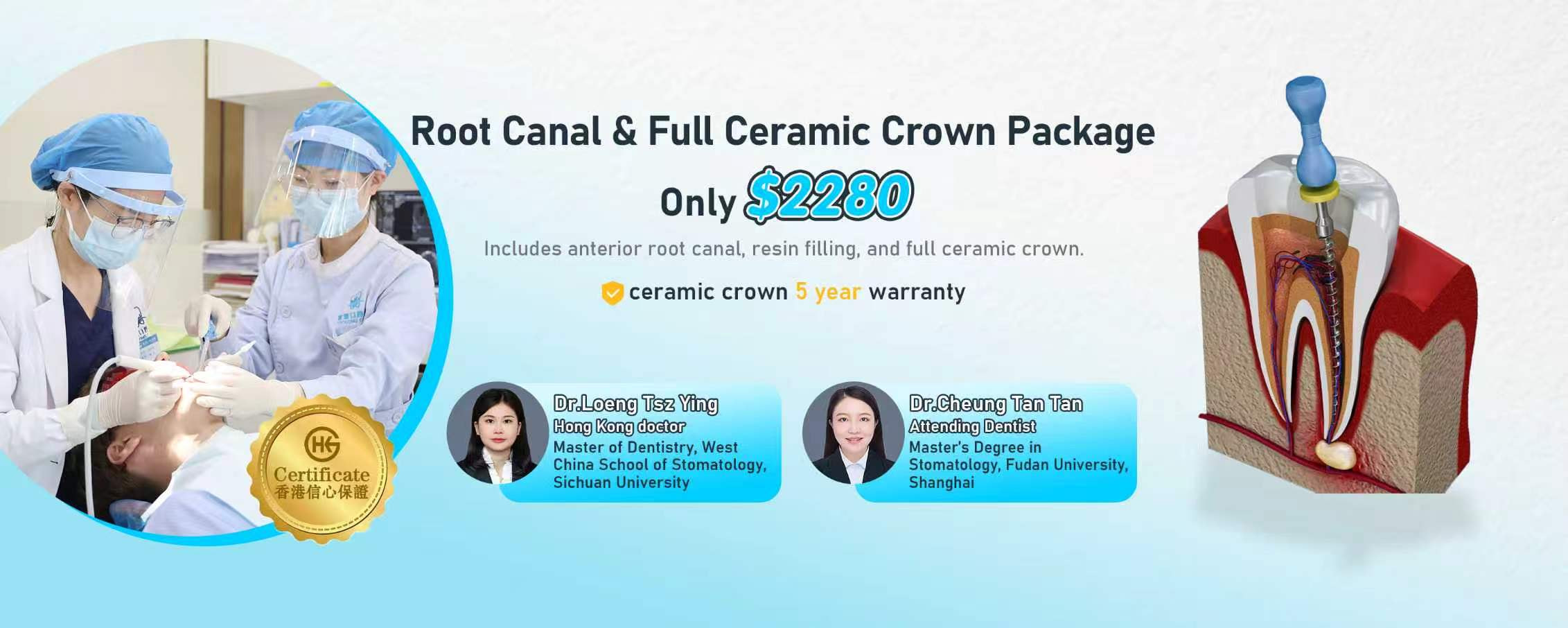
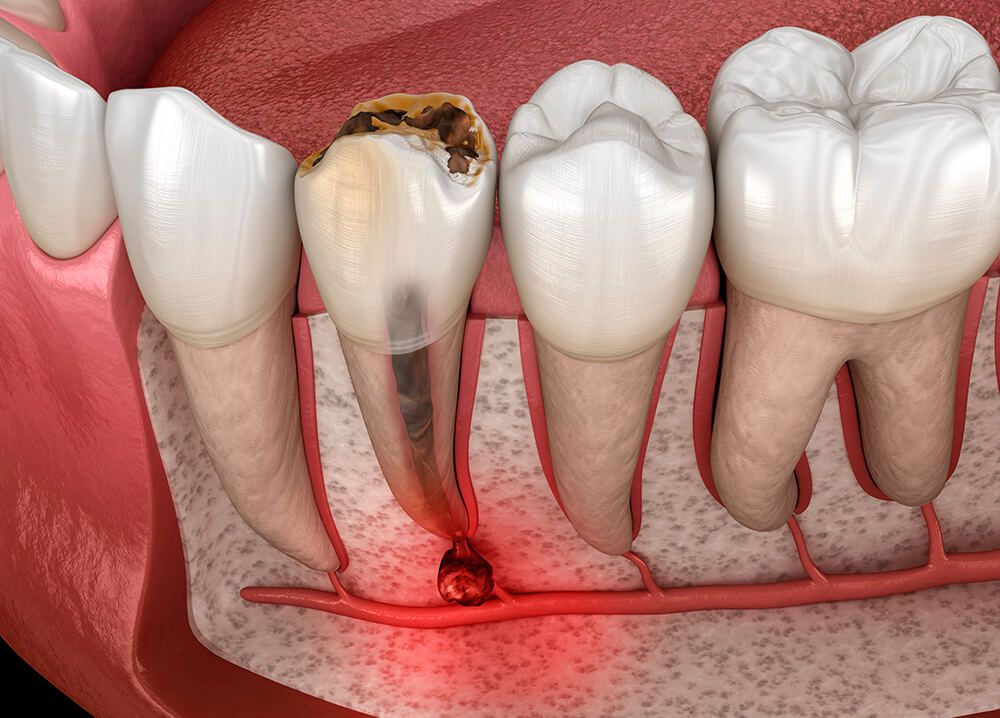
In recent years, many people from Hong Kong have chosen to travel to Mainland China for dental treatments, with root canal therapy being one of the most popular procedures. A root canal is a treatment targeting severely decayed, inflamed, or infected dental pulp, which involves cleaning out the pulp and disinfecting the root canal, while preserving the basic structure of the tooth. But heres the crucial question—will getting root canal treatment in China affect your bite alignment? In this article, well explore this topic in a conversational style familiar to Hong Kong readers.
**Why Bite Alignment Matters**
Bite alignment refers to the way your upper and lower teeth fit together. Misaligned bites can lead to periodontal issues, tooth wear, jaw pain, and even neck and headaches. Proper bite alignment makes eating more comfortable, speech clearer, and reduces uneven stress on your teeth. Therefore, any dental treatment, including root canals, can potentially affect your bite alignment.
**The Relationship Between Root Canals and Bite Alignment**
During a root canal procedure, the dentist removes the dental pulp and fills the root canal with materials before restoring the crown of the tooth. This restoration can be completed with either a temporary or permanent crown. If the crown’s height isn’t accurate or its shape doesn’t fit well with your natural bite, it could cause minor misalignment. While you might not notice this immediately, over time, it could lead to an unnatural chewing sensation or even exert extra pressure on other teeth.
**Considerations for Treatment in Mainland China**
Opting for root canal treatment in Mainland China can be appealing due to potential conveniences in travel and scheduling, and some may find a wider range of dental service options there. However, it’s crucial to be aware that de
ntal techniques, material choices, and follow-up procedures may vary across regions. Without regular follow-ups post-treatment, minor adjustments to ensure bite alignment might be overlooked, and the crown may not perfectly match your habitual bite.
**How to Minimize Impact on Your Bite Alignment**
1. **Detailed Communication**: Before the treatment, discuss any specific sensations or historical bite issues with your dentist.
2. **Bite Test**: After the crown is placed, your dentist will typically ask you to test your bite. Don’t hesitate to voice any discomfort.
3. **Regular Check-ups**: Even if the treatment is done in Mainland China, you can have a dentist in Hong Kong check your bite alignment to ensure the crown is stable and comfortable.
4. **Monitor New Sensations**: If you notice uneven chewing, misalignment, or tooth sensitivity post-treatment, don’t delay—get it checked soon.
**Lifestyle Habits and Bite Health**
No matter where you have your root canal treatment done, everyday habits significantly affect your bite. Chewing predominantly on one side, grinding teeth, or biting hard objects can all cause uneven pressure on your teeth and crowns. Strive to chew evenly on both sides, avoid overly hard foods, and maintain regular dental check-ups to extend the lifespan of root canal-treated teeth and sustain healthy bite alignment.
**Conclusion**
Getting a root canal treatment in Mainland China doesn’t necessarily compromise your bite alignment, but the risks mainly lie in insufficient follow-up and crown fit. Good pre-treatment communication, diligent post-treatment bite testing, and regular check-ups greatly reduce the possibility of bite misalignment. Properly aligned teeth not only ensure comfortable eating but are integral to overall dental health. Regardless of where you choose to undergo treatment, routine maintenance and observation are key to ensuring long-lasting and natural results.
















