




**Everything You Need to Know About Root Canal Treatment in Mainland China**
In recent years, many people from Hong Kong have opted to travel to Mainland China for dental treatments, with root canal treatment being one of the most popular procedures. While many have heard of the term "root canal," the entire process might still be unclear to some. In this guide, well explain the steps from preparation to completion in a straightforward manner so that you can be well-informed.
**Step 1: Understand Your Dental Condition**
Root canal treatment, commonly known as endodontic therapy, is primarily used to address inflamed or necrotic dental pulp. If you frequently experience toothache, sensitivity to hot and cold, or swelling, it could be a sign of pulp issues. Before heading to Mainland China, its advisable to visit a local dentist for an initial check-up, which will help the dentist in China quickly assess your condition.
**Step 2: Book an Appointment and Prepare Your Documents**
Many dental clinics in Mainland China offer online appointment services, which you can book via phone, WeChat, or the clinics website. Make sure to bring your past dental records, X-rays, and diagnostic reports so you can avoid repeated examinations, saving both time and effort.
**Step 3: Initial Consultation and Detailed Examination**
Upon arriving at the clinic, the dentist will perform an oral examination, often taking another set of dental X-rays and possibly using an electric pulp tester to check the vitality of the tooth nerve. During this time, the dentist will explain the necessity, steps, and estimated number of visits for root canal treatment, along with any precautions.
**Step 4: Begin the Root Canal Treatment**
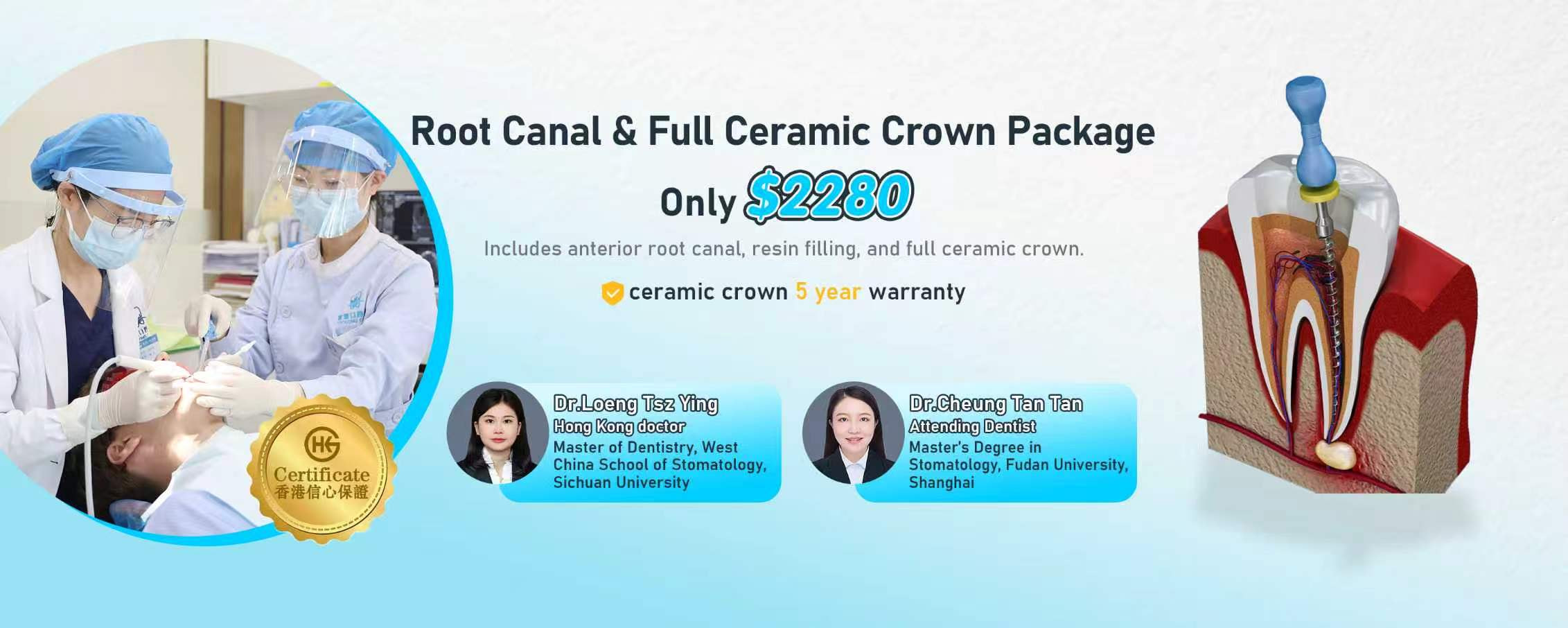
The treatment is usually conducted over several sessions, depending on the condition of your tooth. The initial step involves drilling into the tooth to remove the infected pulp tissue. Next, small instruments are used to clean the root canals, which are then thoroughly flushed with an antiseptic solution. This step must be done meticulously, as any remai
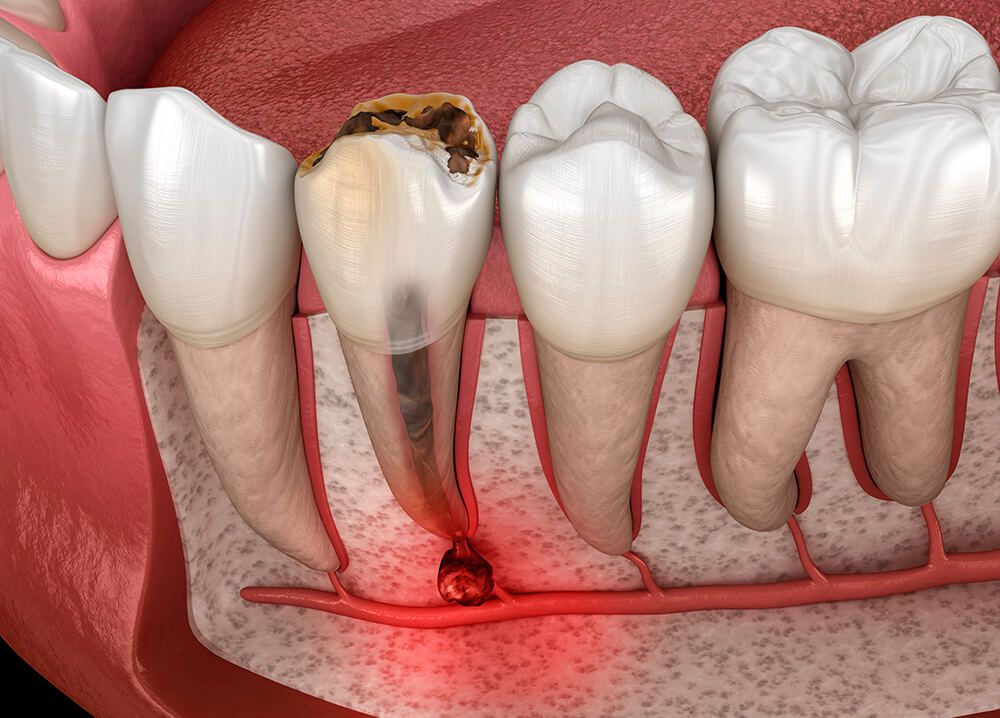
ning infection could compromise the outcome. Afterwards, the dentist will temporarily seal the tooth, preparing it for further cleaning or permanent sealing in subsequent visits.
**Step 5: Canal Filling and Sealing**
Once the dentist is certain that the tooth is clean and infection-free, the root canal is sealed with a special material to prevent future bacterial invasion. After sealing, the restoration phase begins, which may involve filling the tooth or fitting a crown to ensure structural stability and aesthetic appeal.
**Step 6: Post-Treatment Care**
Completing the root canal doesnt mean your work is done. Pay close attention to your diet and oral hygiene. Avoid using the treated tooth to chew hard foods for a few days afterward, and maintain oral cleanliness by brushing twice daily and rinsing after meals to reduce bacterial growth. After your treatment in Mainland China, its recommended to have a check-up every six months to ensure the stability of your dental health.
**Helpful Tips**
- Plan your travel carefully, noting the location of the clinic and nearby transportation options for convenience.
- If youre unfamiliar with the Mainland Chinese healthcare system, consider having a friend accompany you for reassurance.
- Maintain open communication with your dentist during the treatment. Report any discomfort promptly to avoid delays and foster effective recovery.
In summary, the root canal process in Mainland China parallels that in Hong Kong, with some differences in environment and service specifics. With adequate preparation and understanding of the procedure, you can approach your treatment with confidence. Dental health significantly impacts quality of life, so addressing issues promptly allows you to enjoy life to the fullest.
We hope this guide has provided clarity on the root canal process in Mainland China, making it less daunting while serving as a reference for planning your necessary dental treatments. Oral health is a lifelong investment; getting informed and acting early will naturally lead to a better quality of life ahead.
















