




### Will Going to the Mainland for Root Canal Treatment Affect Future Dental Health?
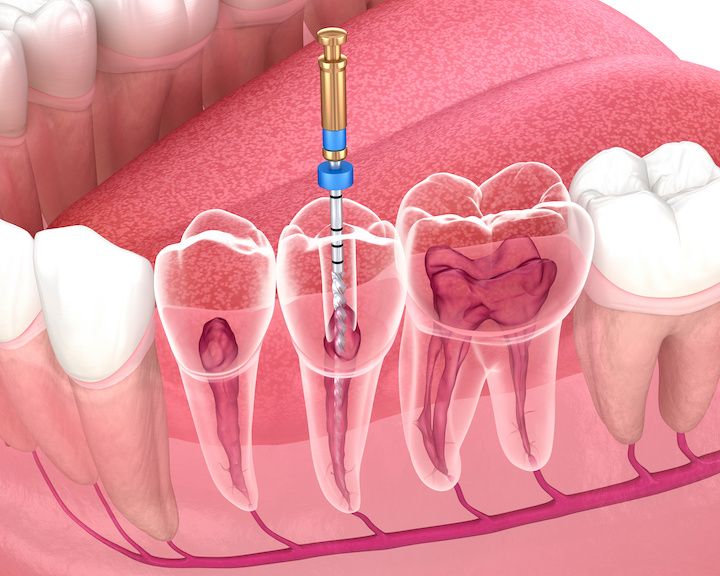
In recent years, many people have opted for dental treatments in Mainland China, with root canal treatment being one of the common procedures. Root canal treatment primarily addresses inflamed, necrotic, or severely infected dental pulp by removing the affected nerve, cleaning the canal, and sealing it to preserve the tooth. But does getting a root canal in Mainland China affect future dental health? The answer depends not just on the location but also on the technique, sanitation, and follow-up care.
### The Nature of Root Canal Treatment is Independent of Location
Whether done in Hong Kong, locally, or in Mainland China, as long as the root canal procedure adheres to professional standards, follows strict sterilization protocols, and uses the appropriate instruments and materials, theres no fundamental difference in dental health outcomes. The primary variables when seeking dental treatment across the border are often the quality of clinic facilities, the dentists experience, and their technical skills. If the dentist has sufficient clinical experience and performs the procedure correctly, the effectiveness should not be impacted by location.
### Technique and Equipment are Key
Root canal treatment is a delicate minimally invasive procedure requiring dentists to accurately locate all root canals, ensure complete removal of infected pulp and bacteria, and effectively seal with suitable fillings. Inadequate precision or outdated equipment may lead to missed canals or incomplete sealing, increasing the risk of reinfection and potentially necessitating another root canal treatment.
### Infection Control and Hygiene Standards Should Not Be Overlooked
When considering treatment in Mainland China, pay attention to the clinic’s sterilization process and hygiene standards. Root canal procedures involve various tools like needles, dental drills, and canal instruments. Insufficient sterilization can raise infection risks and comprom
ise treatment success. Patients should inquire in advance about the clinics hygiene measures, such as whether they use full sets of high-temperature, high-pressure sterilization equipment and disposable materials.
### Follow-Up Care is Equally Important
After a root canal, its typically necessary to fit a dental crown to protect the fragile tooth structure. If you don’t get a crown immediately after receiving a root canal in the Mainland, the tooth may fracture under chewing pressure, affecting long-term health. Regular follow-ups are vital to ensure no recurring infections or bone loss. If frequent cross-border follow-ups are impractical, consider arranging follow-ups locally.
### Diet and Lifestyle Habits Also Influence Success
Regardless of where you undergo a root canal, post-treatment care with respect to diet and habits is crucial. Avoid using the treated tooth to bite hard objects, reduce sugary foods, and maintain good oral hygiene by flossing and brushing daily, to prolong the life of the tooth.
### Pros and Cons of Going to the Mainland for Root Canal Treatment
A potential advantage is faster treatment with some steps possibly being completed more swiftly. However, the downside is that post-treatment follow-up may pose challenges due to cross-border travel time and logistics. Additionally, the brands and specifications of dental materials may vary across regions, potentially limiting future repairs or replacements.
### Conclusion
The core factors influencing whether a root canal treatment in the Mainland affects future dental health are not about the location but rather the quality of technique, equipment, sanitation, and follow-up care. Selecting an experienced dentist and a well-equipped clinic, combined with adherence to care recommendations, can ensure stable treatment results. Wherever you choose to receive treatment, the most important aspects are understanding the process, evaluating the clinics professionalism, and committing to regular follow-ups to genuinely protect your dental health.
















