








**Is Anesthesia Necessary for Root Canal Treatment in Mainland China?**
In recent years, many Hong Kong residents have chosen to travel to Mainland China for dental treatments due to various reasons, including seeking more options, convenience in transportation, and advanced dental facilities. Among these treatments, root canal therapy has become a hot topic of discussion. Naturally, the question arises: "Is anesthesia necessary for this procedure?"
**What is Root Canal Treatment?**
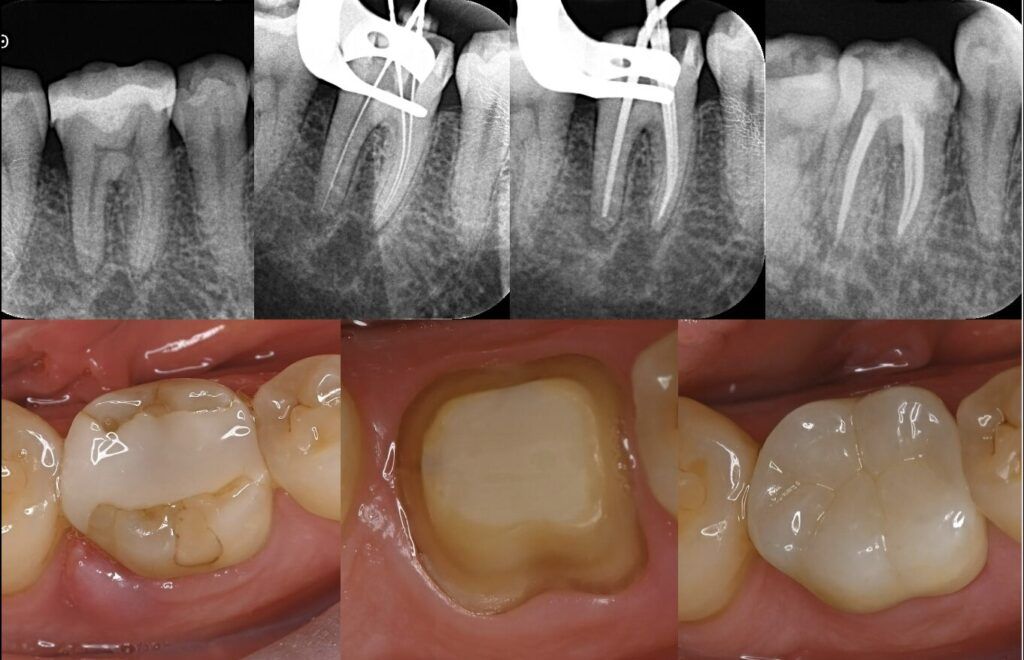
Simply put, root canal treatment is performed when the dental pulp inside a tooth becomes infected, inflamed, or even necrotic. During the procedure, the dentist removes the damaged tissue, cleans the area, and seals it with a filling material to preserve the tooth structure. This intricate process requires precision and patience, as the root canals are very narrow, and incomplete cleaning could lead to further infections.
**What is the Role of Anesthesia?**
Many Hong Kong patients fear the pain associated with dental procedures, making anesthesia a primary concern for most. Anesthesia ensures that you don’t feel pain during treatment, especially since root canal therapy involves working deep into the tooth’s root. There are two types of anesthesia: local and general. Root canal treatments typically use local anesthesia, targeting the area around the affected tooth.
**Is Anesthesia Necessary for Root Canal Treatment in Mainland China?**
Regardless of whether the procedure is performed in Hong Kong or Mainland China, anesthesia is typically administered during root canal treatments for a simple reason: it keeps the patient comfortable and allows the dentist to focus on their work. Even if the tooth’s nerve is already dead, some patients might not feel significant pain, but anesthesia is still recommended to prevent discomfort during the cleaning of adjacent tissues.
**Why Do S
ome People Choose Not to Use Anesthesia?**
Some individuals are concerned about allergic reactions or have had adverse experiences with anesthesia in the past, opting to endure pain rather than receive anesthesia. Additionally, a few people believe the pain from the injection is worse than the treatment itself. However, dentists usually discuss the patients medical history thoroughly before deciding whether anesthesia is appropriate.
**What to Consider When Seeking Dental Treatment in Mainland China?**
When getting root canal treatment in Mainland China, the most crucial step is to find a reputable dental clinic with qualified dentists. Its advisable to undergo a thorough examination before treatment to assess the severity of the tooths condition and plan an appropriate treatment strategy. Communicating with the dentist about anesthesia arrangements is essential to ensure that there are no allergies and to understand the expected duration of the procedure.
**Post-Anesthesia Tips**
Anesthesia can linger for a while after the procedure. Remember to wait until the numbness wears off before eating to avoid biting your mouth or tongue accidentally. Its normal for the treated tooth to feel slightly swollen or tender. Following the dentist’s care instructions, such as avoiding hard or spicy foods, can help alleviate discomfort.
**Conclusion**
The question, "Is anesthesia necessary for root canal treatment in Mainland China?" cannot be answered with a simple "yes" or "no," as dental conditions and physical states vary from person to person. However, in most cases, local anesthesia is a common choice to ensure a safer and more comfortable treatment experience. The key is to find a trusted dentist and openly discuss any concerns or needs, so whether in Hong Kong or Mainland China, you can confidently undergo root canal treatment, preserving your dental health.
















