




**Does Undergoing Root Canal Treatment in Mainland China Cause Loose Teeth?**
In recent years, many Hong Kong residents have opted to travel to Mainland China for dental treatments such as root canal therapy, also known as endodontic treatment. With convenient transportation, a wide range of options, and varied services, its an appealing choice. However, theres a common concern: does having a root canal treatment loosen your teeth? This question frequently arises among friends and in online forums. Lets address this concern in simple terms, using Hong Kong Cantonese, and discuss whether root canal treatment can cause loosened teeth and how to properly care for them.
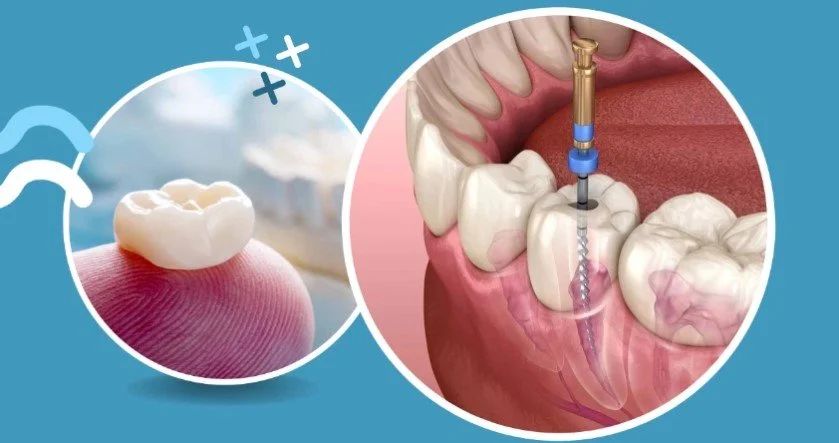
Firstly, its important to understand what a root canal is. A root canal is a method of saving a tooth when the pulp inside becomes inflamed, necrotic, or badly decayed. The dentist removes the infected tissue inside the tooth and seals the root canal with specialized materials to prevent further bacterial spread. Although this procedure eliminates the tooths original nerve supply, the root structure remains intact, allowing the tooth to continue existing in the mouth, albeit in a more fragile state.
As for whether it causes loose teeth, under normal circumstances, a root canal treatment does not directly lead to tooth mobility because teeth are supported by the roots and periodontal ligaments, not just the dental pulp. However, if there is severe periodontal disease, gum recession, or bone loss prior to treatment, tooth mobility might occur regardless of the procedure. Therefore, the health of your gums and support structures, not the root canal itself, is the main determinant.
When seeking treatment in Mainland China, its crucial to select a qualified and experienced dental clinic, as equipment and techniques may vary. Root canal therapy requires a high level of technical skill, including thorough cleaning, disinfection, and sealing. If these steps are conducted properly, the tooth can remain stable. Otherwise, incomplete removal of infection can lead to recurrent
inflammation, potentially jeopardizing periodontal health and causing mobility.
Many people, after receiving treatment in Mainland China, return to their busy lives in Hong Kong and may neglect regular check-ups, which are essential. Post-root canal treatment, teeth are more prone to fractures due to the loss of their nerve supply, which is why dentists typically recommend a crown for protection. Without adequate protection, chewing hard foods can lead to tooth fractures, making future preservation challenging, regardless of where the treatment was initially performed.
So, what ensures the safety and success of undergoing root canal treatment abroad? Understanding the process and focusing on aftercare. Here are a few essential tips:
1. **Maintain Oral Hygiene**: Brush your teeth twice daily and use dental floss or interdental brushes to minimize bacterial growth.
2. **Regular Check-ups**: Schedule dental visits every six months post-treatment to ensure your teeth and gums are healthy.
3. **Avoid Hard Foods**: Biting into nuts or ice can increase the risk of tooth fractures.
4. **Monitor Gum Health**: Any redness, swelling, or bleeding could indicate periodontal issues, necessitating prompt dental attention.
5. **Choose Reputable Dentists**: Whether locally or abroad, credentials and professional reviews are key assurances.
Lastly, don’t view a root canal as a one-time cure-all solution. While it resolves current dental issues, ongoing care and regular monitoring are vital for long-term dental health. Receiving dental treatment in Mainland China has its conveniences, but be aware of differing treatment habits and follow-up practices. Be proactive in your research and maintain clear communication with your dentist.
In summary, undergoing a root canal in Mainland China typically does not lead to loose teeth unless there are pre-existing periodontal problems or inadequate treatment and maintenance. No matter where you seek treatment, cultivating a long-term dental care mindset is essential to enjoying a healthy smile with peace of mind.
















