









Title: Is Traveling to Mainland China for Root Canal Treatment Suitable for Chronic Toothache?
In recent years, many Hong Kong residents have considered going to Mainland China for dental care, including fillings, cleanings, and even root canal treatments. Chronic toothache has plagued many individuals, but is it really suitable to go north for a root canal? It actually depends on the situation, and one shouldnt rush into it just because a neighbor says its cheaper and faster.
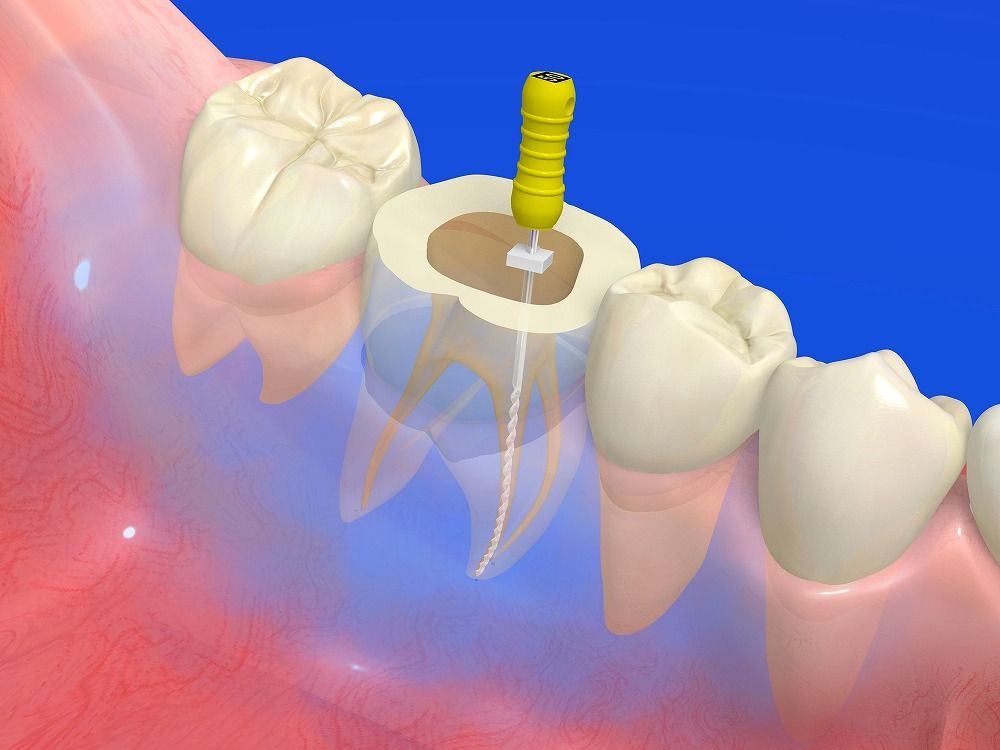
Chronic toothache, as the name suggests, is not a sudden, sharp pain but rather a persistent, dull ache. Sometimes, eating can cause a sour pain; other times, the pressure is felt in the teeth even at night. Often, this is due to nerve or root inflammation, which might not be resolved by a simple filling and could require root canal treatment. A root canal is a procedure targeting the tooths internal nerves and tissues, aiming to remove the inflamed parts, seal the tooth, and reduce future pain risks.
Traveling to Mainland China for a root canal has advantages such as a wider range of choices and more flexible scheduling. Some dental clinics in certain mainland cities provide comprehensive examinations and treatment plans. However, those dealing with chronic toothache should first consult a professional dentist for a diagnosis, as toothaches can have multiple causes, including periodontal disease, tooth cracks, or crown issues. A blind rush into a root canal might not be the most suitable option.
Prolonged chronic toothache not only affects eating and quality of life but may also gradually damage the surrounding tissues. Before heading north, its best to have a basic check-up in Hong Kong and bring any X-rays or medical records to reduce duplicate examination time. Choosing an experienced dental clinic is crucial—root canals are intricate procedures, and the quality of the work can impact the longevity of your teeth.
Many are concerned about communication problems between Hong Kong and Mainland dentists. However, nowadays, many d
ental clinics in major cities have staff who can communicate in Cantonese or Mandarin, so basic interaction isnt an issue. Nonetheless, chronic toothache might require multiple follow-up visits, so consider the travel time and frequency. Its more convenient if you live near the border, but if youre in Hong Kong Island or the western New Territories, youll need to plan your schedule carefully to avoid excessive fatigue.
When traveling to Mainland China for a root canal, follow-up care is important. After a root canal, a crown is usually needed to protect the tooth. Some people only undergo the root canal without adding a crown, resulting in tooth cracks a few years later. People with chronic toothache who dont get protection after a root canal are at high risk of damage when biting hard items, making future repairs challenging.
Regarding sterilization and hygiene, many large dental centers in Mainland China are now well-equipped, with transparent sterilization processes. Patients can even see instrument packages being sterilized in the treatment rooms. Nonetheless, verify the credentials of the clinic, ideally selecting those with international certification or part of a reputable chain, to minimize risks.
Although chronic toothache doesn’t require immediate emergency care, enduring it long-term can be very uncomfortable. The consistent, albeit mild, pain can significantly affect your well-being. A root canal is a solution for certain chronic toothaches but not all; minor toothaches or gum issues might improve with other conservative treatments.
In summary, whether traveling to Mainland China for a root canal is suitable for chronic toothache depends on your dental condition, the clinics expertise, post-treatment follow-up, and your personal scheduling needs. Remember, your teeth are lifelong companions—don’t compromise on quality and long-term consequences for short-term convenience. Traveling north has its benefits, but careful planning and preparation ensure peace of mind and a farewell to toothache.
















