








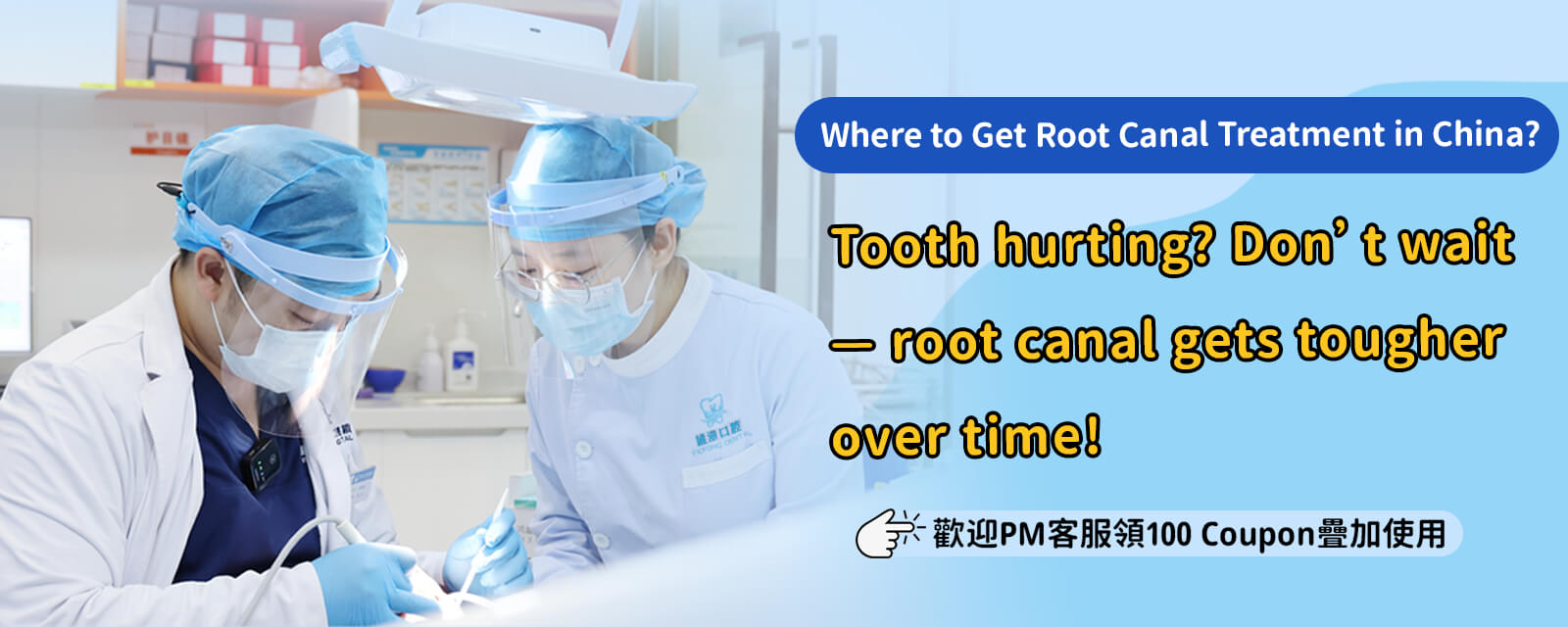
**Is It Advisable to Go North for Root Canal Treatment When Facing Acute Toothache?**
In recent years, many Hong Kong residents have become accustomed to traveling north for dental care due to the convenience of transportation, a wide range of options, and comprehensive services. However, when faced with acute toothache, is it really advisable to head across the border for a root canal treatment? This question merits careful consideration.
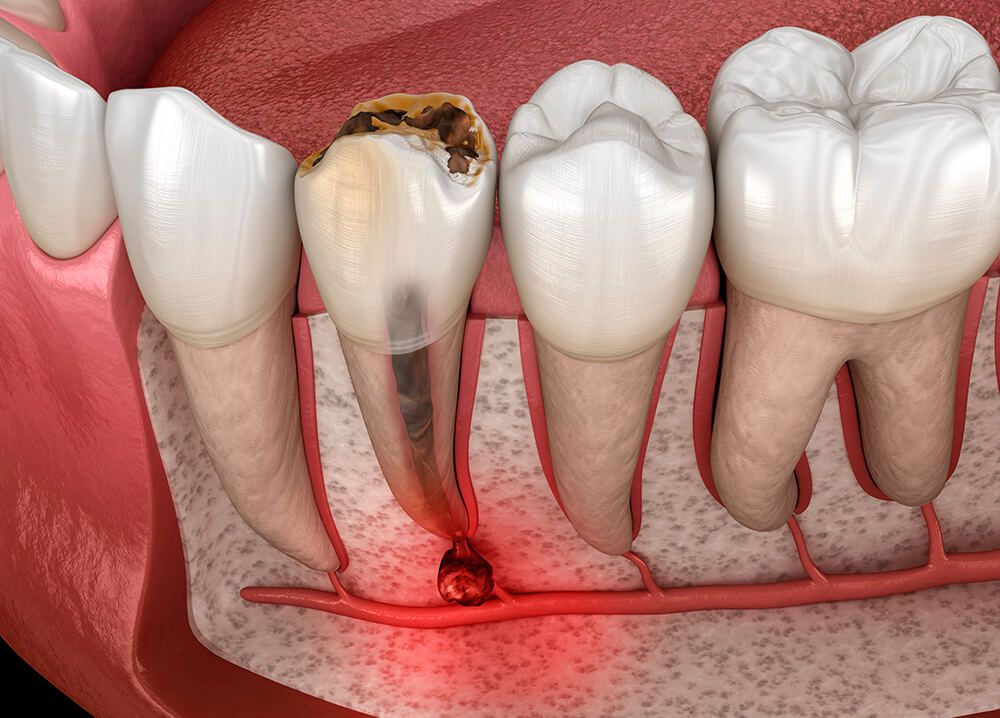
Acute toothache typically stems from inflammation of the pulp or root issues, often described as a pain that pierces "bone-deep", affecting ones ability to focus on daily tasks. Many people immediately seek dental assistance to quickly alleviate the pain. Root canal treatment (also known as endodontic therapy) is a common remedy—by cleaning out inflamed or necrotic pulp, disinfecting the root canal, and sealing it to preserve the tooths structure. However, not all cases of acute toothache are immediately suitable for simultaneous root canal treatment.
Timing and urgency are crucial considerations. Acute toothache can be agonizing and, if delayed, it impacts daily life and eating. If it happens during weekends or holidays, getting a quick appointment with a dental office in Hong Kong might be challenging, making a trip to Shenzhen or Guangzhou a faster alternative. Yet, it’s important to note that acute tooth pain often requires initial inflammation control, which means using medication first to alleviate swelling and then scheduling a formal root canal procedure. Thus, even in the mainland, multiple visits might be necessary.
Diagnosis and communication are key aspects as well. Acute toothache can be caused by various factors—such as cracked teeth or crown issues—not always solvable through root canal treatment. In a foreign environment, dentists will likely perform an X-ray to assess the situation, but you need to communicate your medical history clearly and understand the treatment process and potential risks. Terminology can sometimes differ slightly between Hong Kong and the mainland, making comprehensive
communication important before proceeding.
Furthermore, consider the treatment environment and follow-up care. Typically, root canal treatment requires several follow-up visits to ensure thorough cleaning and proper sealing. If you only seek treatment occasionally in the mainland and later encounter any tooth issues requiring examination or re-adjustment, you’ll need to arrange another visit. Some might find this bothersome and prefer completing all treatments locally in Hong Kong. Conversely, if you frequently visit the mainland and have a trustworthy dentist there, follow-up care could be less stressful.
A critical point before deciding on root canal treatment is assessing whether it must be done immediately. In some cases, dentists might recommend initially alleviating pain temporarily with medication to stabilize conditions before proceeding with the root canal, ensuring a safer and more comfortable process. Forceful surgery during the acute phase can intensify pain and may adversely affect treatment outcomes.
Ultimately, whether youre seeking treatment in Hong Kong or elsewhere, choosing a qualified and reputable dental clinic is essential. Large dental chains and smaller clinics can be found northward, with varying equipment and hygiene standards. Despite the urgency of acute toothache, dont overlook fundamental safety requirements. Investigate online reviews, seek recommendations from friends, and ensure you find a reliable dentist.
In conclusion, if choosing to go north for a root canal during an acute toothache is suitable, it depends on your lifestyle convenience, follow-up care arrangements, and the dentist’s diagnosis and recommendations. For immediate relief, many prefer crossing the border, while others opt for local treatment to avoid cross-border follow-up concerns. Above all, dont delay addressing acute tooth pain—early professional examination increases the chances of preserving the natural tooth and prevents larger dental issues. Maintaining good oral hygiene and regular check-ups are long-term strategies to avoid tooth pain.
















