





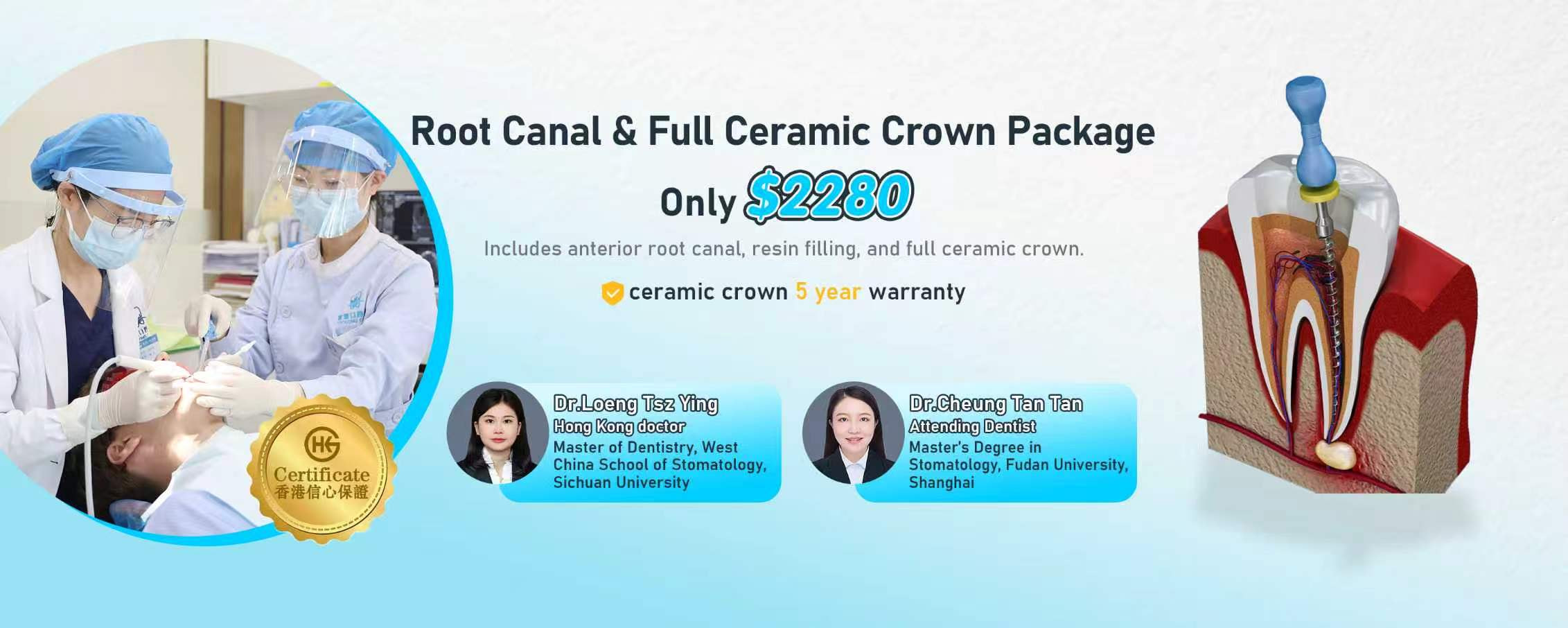



《What to Expect When Heading North for Root Canal Treatment》
In recent years, many people have considered traveling across the border for dental treatments, particularly root canal procedures. The convenience of travel, diverse choices, and positive word-of-mouth have made it an attractive option. However, one common concern remains: Does a root canal hurt? How intense is the pain? This article, written in a conversational Cantonese style familiar to Hong Kong residents, aims to provide an overview of the root canal process and its associated discomfort, helping you prepare mentally before deciding to travel north.
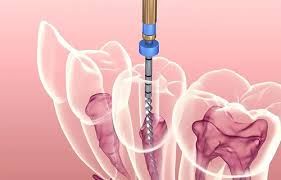
Firstly, lets understand what a root canal is. Simply put, a root canal is a procedure performed when tooth decay or a bacterial infection causes the pulp to become inflamed, resulting in severe pain. Dentists use specialized tools to remove the infected pulp and bacteria from the tooths chamber, then seal it to save the tooth from extraction. While this process might sound daunting, modern techniques are very advanced and often involve anesthesia, making it less painful than imagined.
The pain experienced during a root canal in mainland clinics can typically be broken down into several stages. The first stage involves administering anesthesia, which is similar to the experience in Hong Kong. You may feel a slight pinch when the needle is inserted, but the sensation quickly subsides. Once the anesthetic takes effect, most patients feel the dentist working, but not actual pain. Instead, it feels more like vibrations or pressure.
The second stage is the removal of the pulp and disinfection, the most crucial part of the procedure. Thanks to the anesthesia, severe pain is generally absent; however, if the tooth was significantly swollen and inflamed beforehand, the anesthesia might be less effective, resulting in mild discomfort or a dull ache. Professional dentists are prepared to administer additional anesthesia as needed to ensure the procedure remains within a tolerable range.
The third stage involves sealing the tooth, which is done temporarily and then permanently. Temporary sealing typically causes minimal discomfort, akin to having a cavity fill
ed. The final sealing is also straightforward, with the only potential sensation being slight pressure on adjacent teeth.
Regarding the pain, most people find the level of discomfort in mainland clinics similar to that in Hong Kong. Any severe pain is usually experienced before the treatment due to pulpitis, which often causes sleepless nights. Once seated in the dentists chair, and after the anesthesia has kicked in, psychological stress outweighs physical pain. Therefore, its crucial to choose a trustworthy dentist and clearly communicate the treatment steps, which will significantly ease your mind.
Another point worth noting is the potential for mild soreness after the procedure, especially when biting down on the treated tooth. This reaction is normal and typically resolves within a few days. Dentists often advise avoiding hard food on the treated side until full recovery.
As for the differences between getting a root canal in mainland clinics versus in Hong Kong, aside from location and procedure, the main variations might be in the environment and service habits. Some people find the equipment in mainland clinics modern and the treatments fast-paced, while others appreciate the meticulous approach of Hong Kong dentists, who tend to explain each step thoroughly. Pain management fundamentally relies on anesthesia and professional skills, so theres no need to worry excessively about increased pain when heading north.
Finally, a small tip for those planning to travel north for a root canal: do your research in advance. Look for reputable dental clinics, ask about the number of treatment sessions needed, and be mindful of how you react to anesthesia. Stay relaxed and trust your dentist; the pain will likely be less than you anticipate.
In conclusion, the pain associated with root canals is generally manageable, and the treatment process in mainland clinics is largely similar to that in Hong Kong. Don’t wait until the pain becomes unbearable—early check-ups and treatment can reduce discomfort and preserve your teeth. Remember, if a dentist recommends a root canal, the pain level might not reach what you fear; instead, being mentally prepared is more important.
















