




**Will Teeth Reinfect After Northward Root Canal Treatment?**
In recent years, many Hong Kong residents have opted to travel north for dental treatments, with root canal therapy being a popular choice. Root canal treatment primarily addresses severe tooth decay, dental pulp infections, or nerve damage due to accidents. However, a common concern remains: can the tooth become reinfected after root canal treatment?
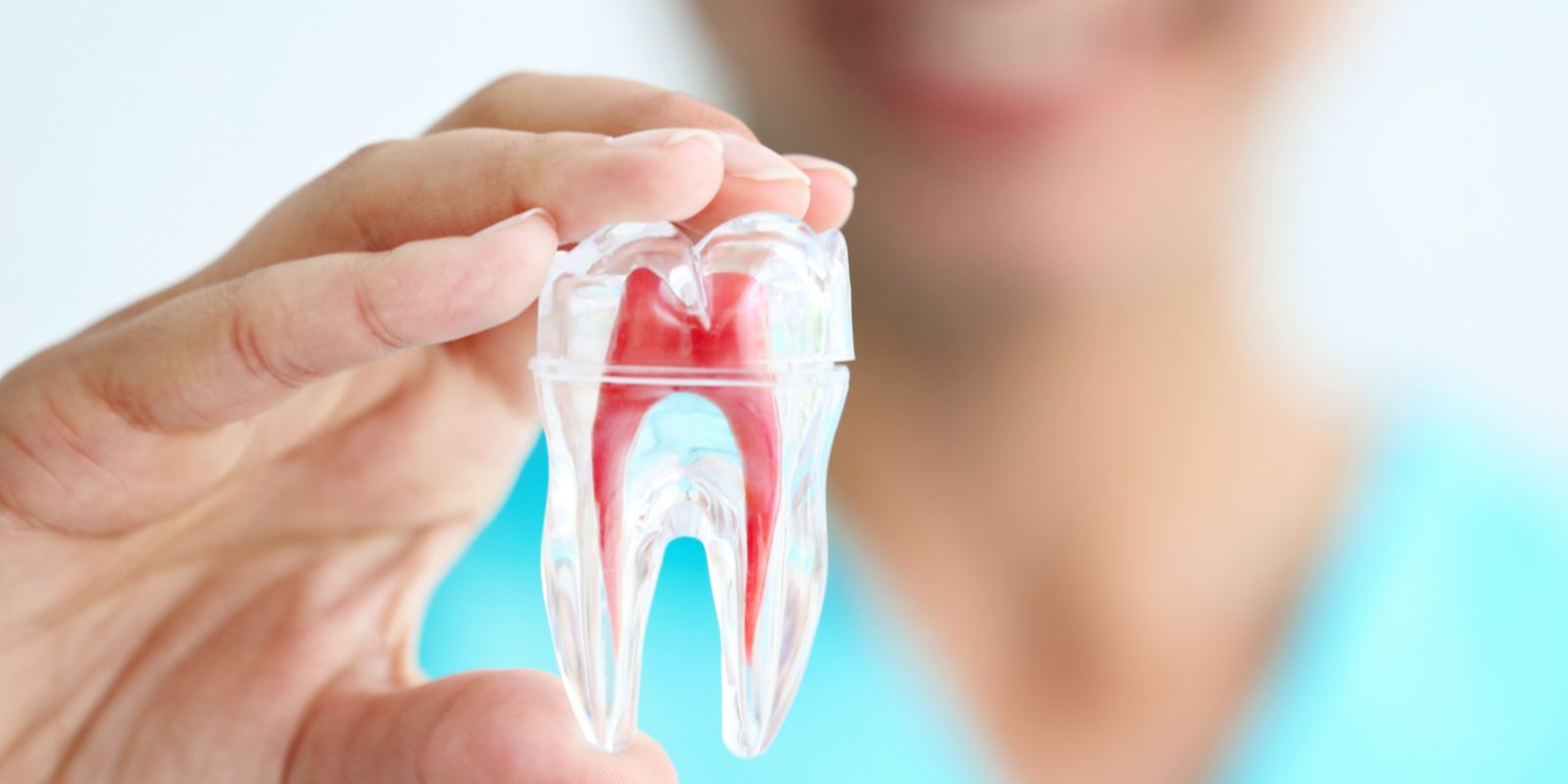
To answer this, we first need to understand the principle of root canal treatment. Inside each tooth is a tiny channel called the root canal, housing dental pulp that includes nerves and blood vessels. When invaded by bacteria, the pulp can cause unbearable pain. Root canal treatment involves removing the infected pulp, disinfecting the root canal, and sealing it with a filling to prevent further bacterial intrusion. In theory, if the treatment is thorough and technically sound, the tooth should not become reinfected.
In reality, however, secondary infections can occur for several reasons. First, if the treatment is not sufficiently thorough, some bacteria may remain within the root canal, potentially leading to reinfection. Second, inadequate restoration of the tooths exterior, such as leaks in crowns or fillings, can allow bacteria to enter the root canal again. Third, the patients oral hygiene habits play a crucial role; neglecting daily cleaning can lead to plaque accumulation, affecting periodontal tissues and indirectly impacting the previously treated root canal.
Additionally, the complexity of the tooths structure cannot be overlooked. Some root canals are curved or branched, creating "dead angles" that are challenging to clean thoroughly during treatment. Individual health variations also matter; those
with weaker immune systems are more susceptible to bacterial attacks, increasing the risk of reinfection.
To minimize the chance of reinfection, consider these lifestyle tips. First, choose an experienced dentist to ensure both skill and equipment are up to standard. Second, follow the dentists instructions post-treatment, attend follow-up appointments, and check the status of your teeth. Third, maintain good oral hygiene by brushing twice daily and using dental floss or interdental brushes to prevent plaque buildup. Fourth, seek immediate dental advice if you notice unusual pain or swelling.
Traveling north for root canal treatment offers benefits, such as modern equipment and quicker procedures in some locations. Regardless of where you undergo treatment, understanding the risks and precautions is key. Don’t assume a root canal treatment is a permanent fix; ongoing dental care is essential as the treatment addresses current issues but doesn’t guarantee a trouble-free future.
Furthermore, post-treatment teeth tend to be more fragile due to the removal of the dental pulp, which previously provided nutrients. Eating hard foods or experiencing trauma can easily cause these teeth to crack. Minor cracks might require repairs, while severe cases could necessitate tooth extraction, highlighting the importance of protecting treated teeth.
In summary, undergoing root canal treatment up north doesn’t ensure the tooth will never reinfect. However, with thorough treatment, proper restoration, good oral hygiene, and regular dental check-ups, maintaining healthy teeth is absolutely achievable. Remember, your teeth are lifelong companions. Whether in Hong Kong or abroad, diligent care ensures you can smile with confidence and comfort.
















