




Title: Differences Between Root Canal Treatment for Front and Back Teeth
Introduction:
In recent years, many Hong Kong residents have opted to travel north for dental treatments, including the popular procedure of root canal therapy. A common question that arises is: "Is there a difference in root canal treatment between front and back teeth?" Today, we will explore the distinctions and share some essential considerations for seeking treatment abroad.
Understanding Root Canal Treatment:
Root canal treatment involves cleaning and disinfecting the tooths pulp and root canal system, followed by sealing it to prevent bacterial invasion. This procedure is typically necessary for treating inflamed or necrotic pulp and is required regardless of whether its a front or back tooth if the condition demands it.
Differences Between Front and Back Teeth:
1. Location and Structure:
Front teeth, including incisors and canines, are located at the front of the mouth and typically have a simpler structure with one main root canal. In contrast, back teeth (premolars and molars) are situated at the back, tasked with grinding food and often have multiple, complex-shaped canals, sometimes with branches. This structural difference affects the complexity and duration of the treatment.
2. Visibility During Treatment:
Front teeth provide easier access and visibility during treatment, making it straightforward for the dentist to operate. On the other hand, back teeth require specialized tools, such as dental microscopes, to see and clean the canals thoroughly due to their deeper location and limited accessibility.
3. Restoration Needs:
After root canal treatment, front teeth require aesthetic restoration, like resin or porcelain veneers, to blend naturally with adjacent teeth, as they influence one’s smile directly. Back teeth, however, focus on withstanding ch
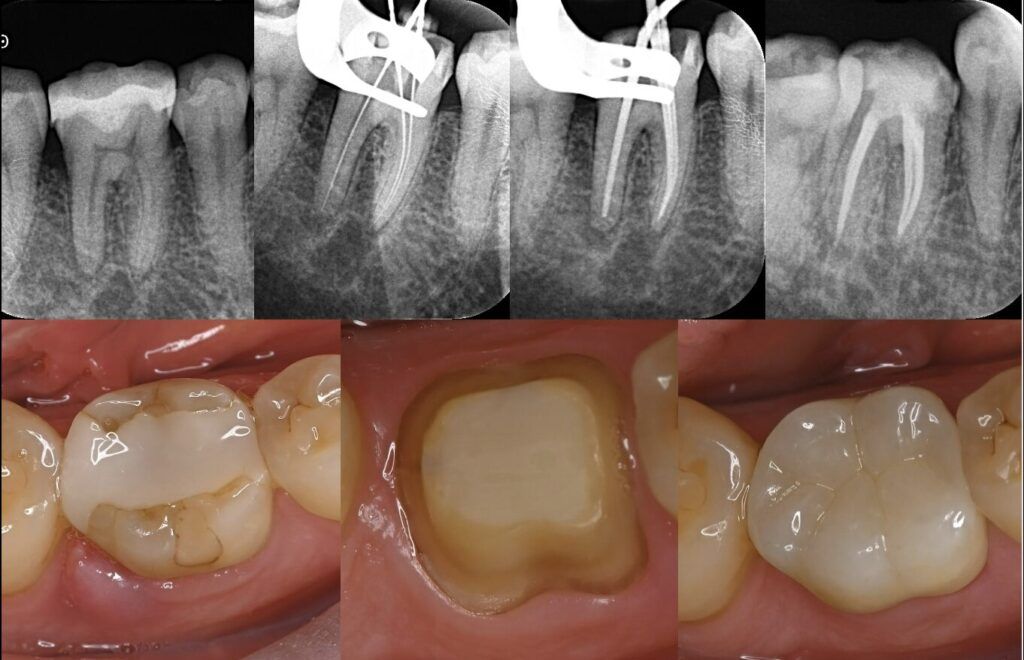
ewing forces and often need crowns for protection to endure daily biting pressure.
Considerations for Undergoing Treatment Abroad:
1. Medical Resources and Communication:
Northern cities generally boast updated dental equipment with various advanced tools, and many dentists specialize in microsurgery for the complex root structures of back teeth. Nevertheless, effective communication is crucial. Its advisable to familiarize yourself with dental terminology in Mandarin or prepare images to facilitate explanation, preventing misunderstandings.
2. Travel and Scheduling:
Plan your trip considering that root canal treatments, especially for back teeth, might require multiple sessions. Ensure enough travel time to complete the treatment, and attempt to have follow-up visits with the same dentist for consistency in care.
3. Hygiene Standards:
When visiting dental clinics overseas, observe their sterilization processes. Ensure instruments are individually packaged and sterilized using high-temperature and high-pressure methods. Check if the dentist uses gloves and masks and if the treatment area is adequately sanitized to safeguard your health.
Preventive Care:
Ultimately, preventing dental issues is preferable to treatment. Maintain oral hygiene by brushing and flossing daily, and schedule regular dental check-ups to reduce the risk of cavities or pulp infections. Address any tooth pain or gum swelling promptly to minimize the chance of needing root canal treatment.
Conclusion:
Root canal treatment for front and back teeth varies in structure, visibility, and restoration demands. Opting for treatment abroad allows access to modern facilities and techniques but requires careful planning and adherence to hygiene standards. By taking proactive care of your teeth, you can maintain your smile and chewing function confidently, even across borders.
















