




**Is Root Canal Treatment Suitable for Children in Mainland China?**
In recent years, many Hong Kong parents have considered taking their children to the mainland for dental care, especially to conveniently located cities like Shenzhen and Guangzhou. When discussing dental visits across the border, root canal treatment—commonly referred to as "nerve cleaning"—often comes up. This procedure is considered when children suffer from dental issues such as cavities or trauma to the teeth that affect the pulp. However, is it really suitable for children to receive root canal treatment in the mainland? This question deserves careful consideration.
Firstly, what is root canal treatment? Simply put, it involves a dentist removing inflamed or necrotic pulp tissue inside the tooth, disinfecting the area, and then sealing it to allow continued use of the tooth. While this is a relatively well-established procedure for adults, the treatment approach and factors considered differ for children, especially during the primary tooth stage. This is because primary teeth will eventually be replaced by permanent teeth, and the development stage of permanent teeth can be quite delicate.
Parents usually consider taking their children to the mainland for root canal treatment for several reasons such as newer equipment, faster service, flexible scheduling, and convenient transportation. However, its important to note that childrens dental conditions differ from adults. For example, if nerve issues arise during the primary tooth stage, dentists might recommend pediatric-specific treatments, such as pulp capping or observation, instead of proceeding with a full root canal as done for adults. For newly erupted permanent teeth, which have incompletely developed roots, even greater caution in treatment is warranted.
In Hong Kong, pediatric dentistry is more established, with dentists familiar with the dietary and lifestyle habits of local children and aware of parents expectations for hygiene and communication transparency. Conversely, many dental clinics in the mainland are equipped with advanced imaging and digital devices, which speed up the examination process and clarify treatment steps. Additionally, some dentists have received international training, suggesting their skills can be on par. Nonetheless, parents should be aware of differences in standards and systems between the mainland and Hong Kong, such as in disinfection procedures and regulatory practices, and should thoroughly understand these aspects beforehand.
When it comes to children undergoing ro
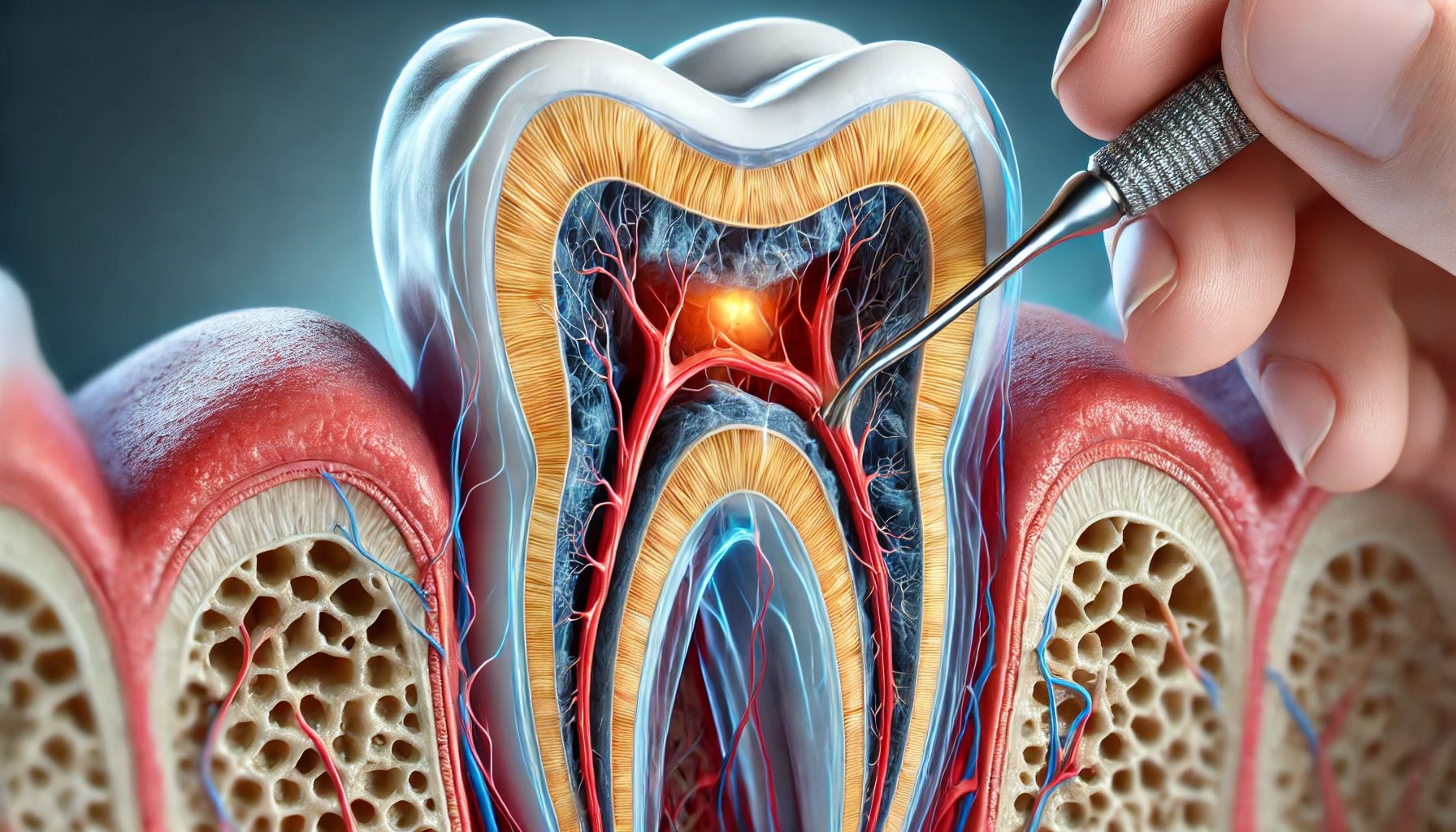
ot canal treatment, cooperation and psychological readiness are crucial. If its a childs first time visiting the dentist and they need an extended procedure, they may easily feel anxious or resistant. Thus, parents should carefully select a dentist with the patience and experience to build trust with the child. Regardless of whether in Hong Kong or the mainland, a comprehensive initial examination including dental X-rays, oral inspections, and medical history should be conducted, followed by a detailed explanation of the treatment plan and risks from the dentist. Rushing into treatment is not advisable.
Transportation and timing are also important considerations. Visiting a dentist across the border usually requires traveling through customs. Although transportation is more convenient now, if the treatment entails multiple sessions, such as cleaning, disinfection, sealing, and follow-ups, parents should prepare for multiple trips and assess their childs stamina and school schedule. This is especially relevant during the school term, as the wait at customs and the journey might tire the child.
Moreover, post-treatment review and follow-up are crucial and should not be overlooked. Root canal treatment is not a one-off procedure, particularly for children, as teeth and roots continue to develop, necessitating regular check-ups to ensure no reinfection or structural issues. Follow-ups are more convenient in Hong Kong, where appointments can be easily scheduled. If choosing to go to the mainland, ensure the clinic can provide long-term follow-up and not just a one-off session.
In summary, seeking root canal treatment in the mainland is not wholly unsuitable for children, but parents must evaluate their childs dental condition, the required expert support for treatment, transport time, and ease of follow-up. Treatment approaches for children in the primary tooth stage or with undeveloped roots typically differ, so it is essential to ensure the dentist has pediatric expertise. Regardless of whether in Hong Kong or mainland, ensuring safety, professionalism, and comprehensive follow-up are the most responsible choices for a childs dental health.
Therefore, if you are considering taking your child to the mainland for root canal treatment, remember to have an in-depth discussion with a qualified dentist to understand the treatment objectives, procedures, and possible implications before making a decision based on your familys circumstances. After all, dental health is like an investment; thorough research upfront can prevent future troubles.
















