




### Understanding the Significant Differences Between Root Canal Therapy and Dental Fillings
In recent years, many people have opted for dental services in cities across mainland China, such as Shenzhen, due to their increasing prevalence. However, for those visiting a dentist for the first time, dental terminology can be quite confusing, particularly the terms "root canal therapy" and "dental fillings." When a dentist suggests root canal therapy, you might wonder, "Isnt it similar to getting a filling?" In truth, these two procedures differ significantly in their purpose, steps involved, and the time required.
**What is a Dental Filling?**
A dental filling, also known as a tooth filling, is a procedure typically used to address minor cavities. When a tooth has a cavity, a dentist will remove the decayed tooth material using tools and then fill the cavity with materials like resin or amalgam to restore the tooths shape and function. This process primarily aims to prevent further decay and maintain both chewing efficiency and aesthetic appearance. Generally, a filling can be completed in a single visit, as it focuses on the tooths surface and doesn’t affect the nerve, provided the decay hasn’t penetrated deeply.
**What is Root Canal Therapy?**
Root canal therapy, commonly referred to as "nerve treatment," is necessary when the tooth nerve is inflamed, necrotic, or infected. This often occurs when a cavity goes deep enough to allow bacteria to reach the pulp, or if the tooth has been injured, damaging the nerve. In such cases, a regular filling won’t alleviate the pain and may even worsen the infection. During a root canal procedure, the dentist administers anesthesia and creates an opening in the tooth to remove infected pulp and tissue from the root canal. After thorough disinfection, the canal is sealed with specialized materials. Often, a crown is also fitted afterward to protect the tooth from fractures. Root canal treatment typically requires multiple visits, as each session involves cleaning and disinfecting to ensure no bacteria remain.
**Major Differences Between the Two Procedures**
1. **Severity of Condition**: Fillings are for minor decay with intact nerves
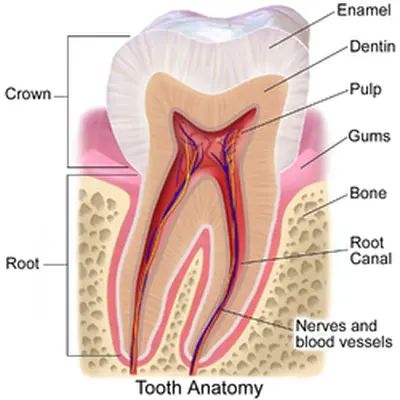
, whereas root canal therapy addresses issues involving compromised tooth nerves.
2. **Treatment Depth**: Fillings deal with the tooths exterior, while root canal therapy treats internal structures of the tooth.
3. **Time and Procedure**: Fillings are completed in one session; root canal therapy requires multiple visits and usually a follow-up with a dental crown.
4. **Patient Experience**: Fillings are generally painless, whereas root canal therapy involves anesthesia and longer treatment time, often leading to slight discomfort post-treatment.
**Why Understanding the Difference Matters When Seeking Dental Care in Mainland China**
Hong Kong residents frequently seek dental care in mainland China for its variety of services and shorter wait times. However, due to differences in dental terminology and descriptions, misunderstandings can occur. For minor cavities, a visit to repair a simple filling is straightforward. But if you experience severe toothache or pain when biting, and a dentist recommends a root canal, its crucial to understand that this is a far more complex procedure than a regular filling, involving more time and multiple stages.
**Preventing the Need for Root Canal Therapy**
To avoid the need for root canal therapy, consider these dental care tips:
- Brush twice daily and use dental floss or interdental brushes to clean between teeth.
- Reduce consumption of sugary and highly acidic foods and drinks to lower cavity risks.
- Schedule regular dental check-ups, even when not in pain, to address early-stage cavities promptly, thus avoiding more intensive treatments.
- Don’t ignore tooth pain, as even mild discomfort might signal pulp inflammation, and early intervention is key.
In summary, dental fillings and root canal therapy are distinct treatments for different dental issues. While getting dental care in mainland China is convenient, it’s advisable to clearly understand your dental condition and the purpose and procedures of the treatment. This preparation can help you avoid unnecessary trips or unexpected treatments. Remember, your teeth are valuable assets; maintaining them ensures you can smile confidently and enjoy your meals without discomfort.
















