




**Materials Used for Root Canal Treatment in Mainland China**
In recent years, many Hong Kong residents have opted to travel north to mainland China for dental care, especially for root canal treatment. This choice often offers more flexibility in scheduling and provides an opportunity for travel. However, before undergoing root canal procedures in the mainland, its crucial to understand the materials used and their differences from those in Hong Kong, ensuring they are suitable for your needs.
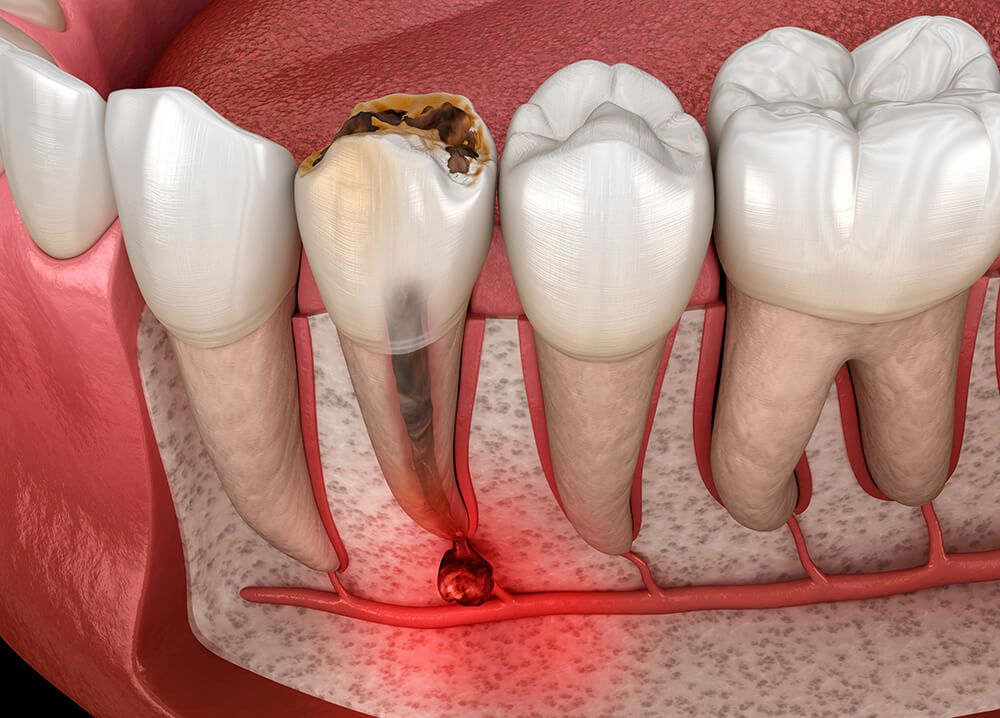
Firstly, root canal treatment, commonly referred to as "nerve extraction," is a standard method for addressing inflamed or infected dental pulp. During the procedure, the necrotic pulp tissue inside the tooth is removed and replaced with suitable materials to fill and seal the root canal, preventing future infections. The materials used for filling can significantly impact both the effectiveness and durability of the treatment.
In mainland dental clinics, several common materials are used for root canal fillings. The most prevalent is a material known as gutta-percha, which is applied using either heat or cold compression methods to fill the root canal along with a sealer. Gutta-percha does not irritate periodontal tissues and can easily adapt to the shape of the root, making it a widely adopted practice. Various types of sealers are available, such as epoxy resin-based, calcium-based, or bioactive materials. These sealers fill minute gaps between gutta-percha and the root walls, preventing bacteria from thriving.
Some dentists may recommend using bio-ceramic sealers based on the patients dental condition. These materials offer excellent sealing capabilities and a strong bond with the dentin, helping to prevent leakage over time. Calcium silicate materials are also used in some cases. They can induce periodontal tissue self-repair, such as promoting bone regeneration, making them suitable for complex cases or when the root tip is damaged.
Regarding the differenc
es in materials between mainland China and Hong Kong, many modern or large dental clinics in the mainland align with international standards, using imported or certified products. The most notable difference may lie in the dentists operational habits and the tools they use. In many areas of the mainland, using microscopes to assist in root canal treatment is common, allowing for a more detailed view of the root canals interior, thereby enhancing the success rate when paired with high-quality materials.
Of course, while materials are undoubtedly important, the dentists expertise, the clinics sterilization standards, and follow-up care are equally critical. Even if the most advanced materials are used, inadequate sterilization or improper sealing can lead to recurrence. Therefore, before heading north, it is advisable to thoroughly check the clinics credentials, equipment, and treatment processes, and to ensure the dentist provides detailed information about material selection and usage.
In Hong Kong, gutta-percha with sealers is also standard practice, though some dentists may recommend higher-end or specialty sealing materials based on the patients long-term tooth preservation needs. The advantage of traveling north may lie in having more options and faster access to new materials or technologies. With proper research, selecting the right clinic and dentist can yield excellent results.
Finally, whether you choose to go north or stay in Hong Kong, remember to have a detailed discussion with your dentist before undergoing root canal treatment. Ask about the materials to be used, the procedure, and how to care for your teeth post-operation. High-quality materials combined with professional expertise can ensure your teeth remain healthy for a long time, reducing future worries. For those who fear dental pain, addressing issues early, understanding the process, and actively participating in decisions can make the treatment experience much more reassuring.
















