




**Is Heading North for Root Canal Treatment a Mature Option?**
In recent years, many Hong Kong residents have chosen to travel to Shenzhen, Guangzhou, and other nearby cities in mainland China for dental care. The reasons are straightforward: convenient transportation and significant advancements in dental technology and equipment in the mainland. Among the various dental procedures of concern, root canal treatment stands out. So, is heading north for root canal treatment a mature option? Lets explore this from several angles.
**What is Root Canal Treatment?**
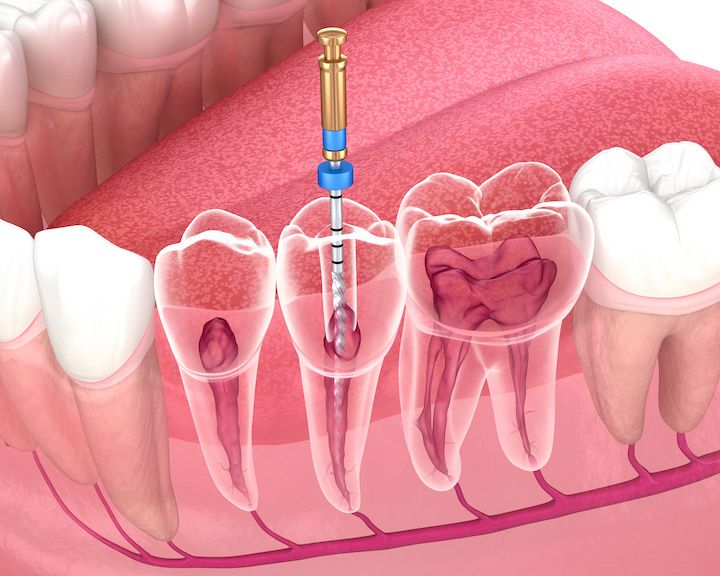
Commonly known as "nerve killing," root canal treatment is primarily used to address pulp infections or severe tooth decay. When the pain becomes unbearable, affecting the nerves deeply and preventing sleep, this treatment might be necessary. The procedure generally involves removing the infected pulp, disinfecting the area, and filling it to prevent further inflammation, followed by fitting a crown to protect the tooth structure. This technique requires a high level of professional skill due to the intricate and delicate nature of root canal structures, where even minor errors can impact the treatment outcome.
**Advancements in Mainland Technology**
Over the past decade, the dental industry in mainland China has witnessed rapid progress. Not only have advanced equipment been introduced, but many dentists have also pursued further training abroad to learn the latest treatment methods. For instance, many dental clinics in the mainland now use microscopes to aid root canal treatments, allowing dentists to see the internal structure of roots more clearly, thus reducing the risk of missing infected areas. Additionally, digital X-rays and 3D imaging technologies are widely used to help dentists assess the condition of teeth more accurately.
**Dentist Experience and Training**
The success of root canal treatments depends not only on equipment but also on the experience of the dentists. Major dental hospitals and chains in the mainland typically have rigorous training systems in place. Dentists regularly update their knowledge of new techniques and medical stand
ards to ensure their practices align with international norms. Experienced dentists often oversee the entire treatment process, from diagnosis to execution, and tailor plans according to the patients tooth shape and health condition.
**Safety and Hygiene of the Procedure**
Many people worry about the hygiene and safety of cross-border dental treatments. Mainland dental clinics have placed great emphasis on sterilization and infection control procedures in recent years. Standards such as disposable tools, individual sterilization packaging, and air purification systems in treatment rooms are clearly defined. Additionally, many clinics display hygiene inspection results to reassure patients.
**First-Hand Experience of Northern Treatment**
Many Hong Kong residents who have undergone root canal treatments in the mainland report smooth procedures and little communication barrier, as many dentists speak fluent Cantonese and actively explain every step of the treatment process, providing peace of mind. However, it is recommended that if you have complex dental issues, bringing examination reports from Hong Kong clinics could help mainland dentists provide more informed care.
**How to Choose the Right Clinic**
Before heading north for root canal treatment, consider searching online for clinic information, including details about the dentists backgrounds, equipment types, and treatment cases. Additionally, review other patients experiences and verify the authenticity of their feedback. Opt for institutions with recognized licenses, advanced equipment, and experienced dentists.
**Conclusion**
Overall, the technology for root canal treatments in the mainland has become quite mature. Many aspects including equipment, dentist training, and hygiene standards have reached or even surpassed international standards. However, since each patients situation is unique, it is advisable to consult a professional dentist familiar with your dental history before arranging treatment. While cross-border dental care is convenient, adequate preparation and selecting the right clinic are essential to ensure safe and effective treatment.
















