




### Which Teeth Are Suitable for Root Canal Treatment in Mainland China?
In recent years, many Hong Kong residents have opted to travel to Mainland China for dental treatments, with "root canal treatment" being one of the most popular procedures. However, a common question arises: which teeth are most suitable for root canal treatment? To answer this, its important to understand what root canal treatment entails and the functions and characteristics of different types of teeth, allowing you to choose the most appropriate solution for your needs.
**What is Root Canal Treatment?**
Root canal treatment, commonly referred to as "nerve extraction," is a restorative procedure performed when the pulp inside the tooth becomes inflamed, necrotic, or infected. The procedure involves removing the infected or damaged pulp tissue, disinfecting the area, and sealing it to preserve the tooths shape and biting function, hence avoiding extraction. If the tooth structure and roots are still in good condition, root canal treatment can significantly prolong the life of the tooth.
**Which Teeth Most Often Require Root Canal Treatment?**
1. **Front Teeth**
Front teeth, including incisors and canines, play roles in cutting food and affecting appearance. Due to their prominent position, they are more susceptible to pulp issues from trauma, cavities, or cracks. When the pulp is infected, root canal treatment can preserve the tooths original appearance, reducing the need for artificial teeth or implants, and minimally affecting the aesthetics of ones smile.
2. **Premolars**
Located between canines and molars, premolars primarily function to grind softer foods. These teeth can develop pulp issues due to cavities, gaps in old fillings, or cracks. Root canal treatment allows these teeth to continue functioning normally in biting, preventing discomfort when eating.
3. **Molars**
Molars are responsible for chewing and grinding food, enduring significant pressure. This makes them prone to deep cavities or cracks that can lead to pulp infections. Although they are positioned tow
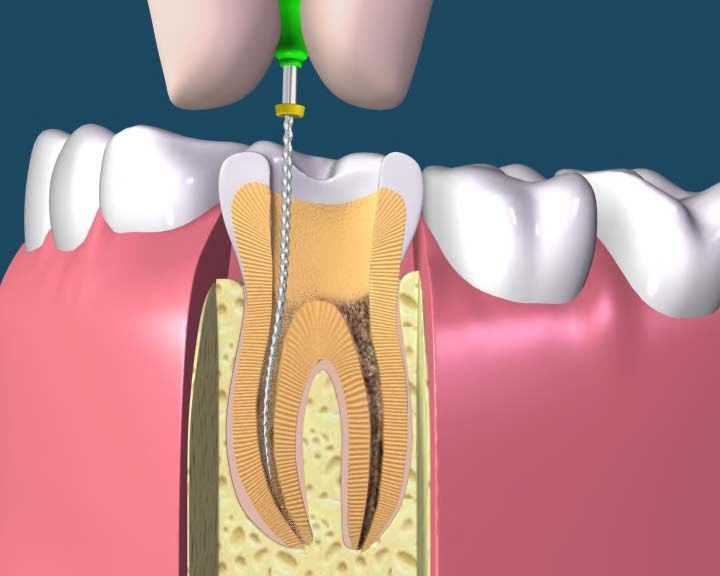
ards the back of the mouth and are more complex to treat, root canal treatment can effectively preserve the original tooth, maintaining its biting force and food processing ability, thus reducing stress on other teeth.
**When Should You Consider Root Canal Treatment?**
- Cavities have reached the pulp, and regular fillings cannot address the issue
- The tooth has been traumatized or cracked, leading to exposed or infected pulp
- Persistent or recurring pain occurs after previous fillings
- X-rays indicate inflammation or cysts around the root
**Considerations for Undergoing Root Canal Treatment in Mainland China**
Many Hong Kong residents choose to head north due to the abundance of resources, advanced equipment, and a wide range of treatment options. However, not all teeth are suited for the same level of treatment, especially complex posterior teeth that often require reliable techniques and experience. When choosing a clinic or dentist, check if they have experience in treating the specific teeth involved in root canals. Treatments for front teeth and premolars are typically simpler, whereas molars require more precise procedures and time.
**Post-Treatment Care Tips**
Regardless of which tooth undergoes root canal treatment, postoperative care is crucial:
- Follow the dentists instructions for regular check-ups to ensure stability
- Avoid using the treated tooth to bite very hard foods for a period after treatment
- Maintain good oral hygiene by brushing twice daily and flossing
- Contact your dentist immediately if you experience abnormal pain or gum swelling
**Conclusion**
Opting for root canal treatment in Mainland China is viable for various teeth under suitable conditions. Front teeth focus on aesthetics, premolars affect biting comfort, and molars influence overall chewing function. As long as the tooth roots are healthy, root canal treatment can preserve the original teeth regardless of their position. Seek an experienced dentist for evaluation to achieve the best results in treatment and care, ensuring dental health and daily life remain unaffected.
















