




### Is Cross-Border Root Canal Treatment Suitable for Seniors?
In recent years, many Hong Kong residents have considered traveling to mainland China for dental procedures due to flexible scheduling, a wider range of clinic options, and reportedly meticulous services. However, when it comes to "root canal treatment," a relatively complex dental procedure, seniors and their families often question its suitability. There is no definitive answer, as it depends on several factors.
#### What is Root Canal Treatment?
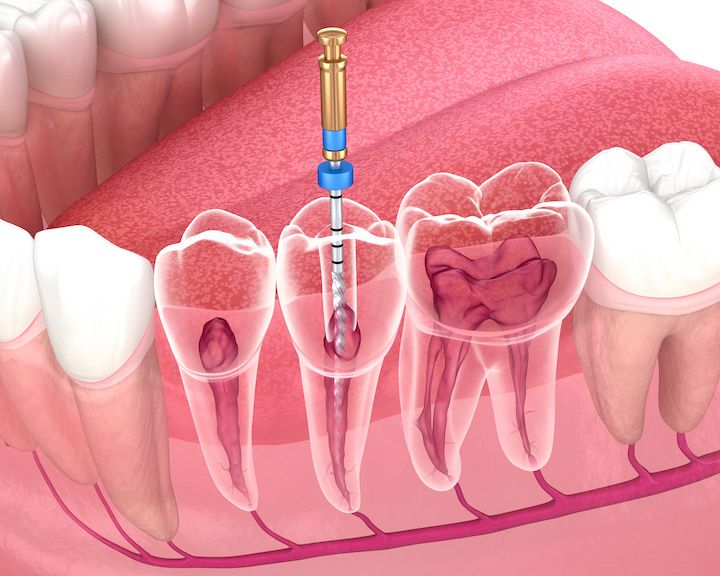
Simply put, root canal treatment is designed to save an inflamed or damaged tooth. During the procedure, the dentist removes the infected pulp inside the tooth and seals it to prevent further bacterial infection. For seniors, preserving natural teeth is crucial, as dentures, while functional, never feel as natural or comfortable as real teeth, affecting both chewing and digestion.
#### Factors Seniors Should Consider for Root Canal Treatment
1. **Health Condition**: Seniors might suffer from conditions like heart disease, diabetes, or hypertension. Thus, when considering treatment in mainland China, ensuring the clinic is aware of your medical history and equipped to handle emergencies is essential.
2. **Transportation and Time Management**: Root canal treatment requires multiple visits spaced over time to allow the tooth to heal. If a senior has mobility issues or lives far from the border, the time and physical demands of traveling should be carefully weighed.
3. **Communication and Trust**: While both Hong Kong and mainland China use Chinese, dental terminology might differ. Seniors must ensure they can clearly describe symptoms, understand the dentists instructions, and feel respected and cared for.
#### Benefits and Challenges of Cross-Border Treatment
Benefits of seeking dental care across the border include a broader selection of clinics and the ability to choose a dentist
who meets personal needs; some places boast modern facilities and comfortable environments. Many clinics have extensive experience with major dental surgeries, making them proficient in root canal procedures.
However, there are challenges, including travel time and follow-up care. Post-treatment, regular check-ups are necessary to ensure the tooth remains infection-free. If treated at a mainland clinic, follow-up arrangements should be discussed in advance to prevent complications. Otherwise, switching back to a dentist in Hong Kong may lead to inconsistent records or treatment approaches.
#### How to Determine Suitability?
Seniors in good health, accompanied by family, and accustomed to cross-border travel, with minimal logistical challenges, might find considering treatment in mainland China viable. However, if frequent medical monitoring is needed or if cross-border travel is burdensome, opting for treatment in Hong Kong is advisable for more effortless doctor-patient communication and immediate healthcare access.
#### Tips for Seniors and Families
1. Bring past dental records to facilitate the dentist’s understanding of your dental history.
2. Have someone accompany you to offer assistance if needed.
3. Discuss the treatment plan and schedule thoroughly with the dentist to understand each step.
4. Monitor your teeth and gums for any abnormal reactions post-treatment and contact the dentist immediately if issues arise.
5. Note the clinics contact information for future consultations or inquiries.
In summary, when considering whether cross-border root canal treatment suits seniors, theres no one-size-fits-all answer. Decisions should be based on individual health, transportation ease, communication, and follow-up considerations, ensuring the treatment is safe and comfortable. This approach ensures ideal treatment outcomes and can maintain or even improve the quality of life for seniors.
















