




**Will Root Canal Treatment in Mainland China Affect Overall Oral Force Balance?**
In recent years, more individuals are opting for dental procedures in Mainland China, with root canal treatment being particularly popular. Many Hong Kong residents are concerned about whether undergoing a root canal treatment might affect the overall force and occlusion function of their mouth. This issue is not only related to the technical aspects of the treatment, but also relies on the overall dental health and subsequent maintenance methods.
**What is Root Canal Treatment?**
Simply put, root canal treatment involves cleaning the dental pulp (including nerves and blood vessels) from within the tooth when it becomes infected due to decay, trauma, or inflammation. The dentist will remove all infected tissue inside the tooth, then seal it with appropriate materials to prevent further bacterial invasion. The primary goal of this procedure is to preserve the tooths shape and function, thus avoiding extraction.
**Understanding Force Balance**
Teeth are not just tools for chewing; they maintain a complex force balance involving periodontal ligaments, jawbone, and neighboring teeth. Each tooth shares a portion of force during chewing to ensure efficient grinding of food. Although nerves may be lost following a root canal, maintaining basic tooth structure alters force distribution—this does not necessarily impact overall mouth function.
**Can Teeth Still Endure Force After Root Canal Treatment?**
Post-treatment, periodontal ligaments continue to support the tooth, which remains attached to the jawbone. Therefore, the tooth can still endure pressure. However, without nerves, sensitivity to temperature and pressure diminishes, making it harder to notice if excessive force or hard objects cause damage. This explains why many dentists recommend a protective crown post-treatment to reduce fracture risk and ensure balanced force distribu
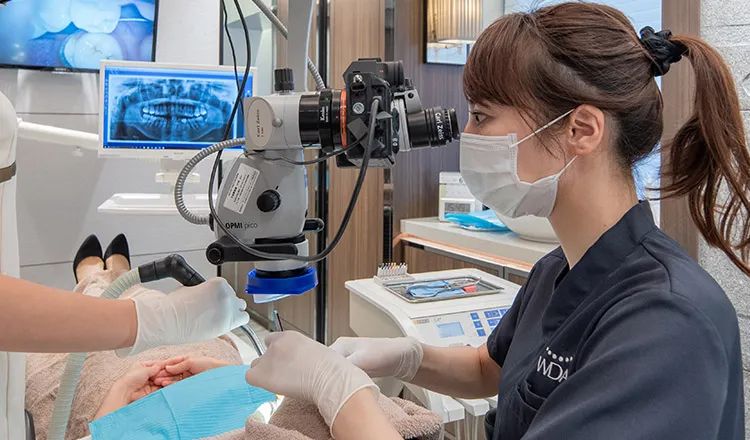
tion.
**Why Do Some Feel a Change in Occlusion?**
Following treatment, changes in tooth structure and the addition of filling material can slightly alter occlusal height. If dentists dont make necessary adjustments or patients change their chewing habits, they may experience a different "bite feel." This issue is often resolved through occlusal adjustment and regular check-ups.
**Considerations for Treatment in Mainland China**
Choosing mainland China for root canal treatment is often due to perceived advantages in treatment options, flexible timing, or differing medical resources. Regardless of location, ensure the dentist holds relevant professional qualifications and maintains comprehensive treatment records. Root canal treatment is merely the first step; subsequent crown placement, regular follow-ups, and oral hygiene are crucial. Poor maintenance may lead to long-term impacts on occlusion and force balance, even if short-term issues seem absent.
**Tips for Dental Care**
1. **Regular Check-ups**: Completing a root canal does not exempt you from follow-ups. Continue dental check-ups every six months to a year to detect occlusion issues or cracks early.
2. **Avoid Hard Foods**: Items like bottle caps, ice cubes, and bones increase tooth burden.
3. **Maintain Cleanliness**: Use toothbrushes and floss daily to prevent food residue build-up and subsequent dental problems.
4. **Monitor Occlusion Comfort**: If chewing feels uncomfortable, consult a dentist promptly rather than enduring discomfort.
**Conclusion**
Opting for root canal treatment in Mainland China wont inherently disrupt oral force distribution, provided the treatment is conducted properly and followed by diligent care. While individual oral conditions vary, and some may need time to adjust to post-treatment occlusal changes, choosing a reliable dental clinic and implementing a comprehensive care plan ensures long-term oral health stability.
















