




**Will Going to Mainland for Root Canal Treatment Affect Future Dental Work?**
In recent years, many Hong Kong residents have opted to head to mainland China for dental treatments, with root canal treatment being one of the top choices. The reasons are simple: easier scheduling and a more streamlined process. However, after undergoing root canal treatment in mainland China, many people wonder: if further dental work is needed in the future, will there be any impact? Lets explore this question from a practical perspective to give you some peace of mind.
**What is Root Canal Treatment?**
Root canal treatment focuses on addressing inflammation or necrosis of the dental pulp inside the tooth. The dental pulp acts as the tooth’s "nerve and blood vessel system." Once infected, the pain can be severe. The treatment process typically involves removing the infected pulp tissue, disinfecting the root canal, and sealing it with special filling material to prevent bacterial re-entry. After completion, the tooth’s exterior may require filling material or even a crown to provide protection.
**Root Canal Treatments in Mainland China**
Dental clinics in mainland China boast relatively advanced technology and equipment, though their procedures may differ slightly from those in Hong Kong or overseas. Some clinics complete most of the steps in a single visit, while others may spread the process over several appointments. The standards of equipment sterilization, material selection, and environment can vary by region. Therefore, after undergoing a root canal treatment in mainland China, it’s crucial to be aware of the previous treatment details if you return to Hong Kong for additional dental work or a crown.
**Will It Affect Future Dental Work?**
Theoretically, if the root canal treatment is well-executed, with no residual infection and proper sealing, further dental restoration or crowning should be fine. However, in reality, various factors related to materials, techniques, and the internal condition of the tooth can impact subsequent steps. If early treatment fails to completely clear the infection or achieve adequate sea
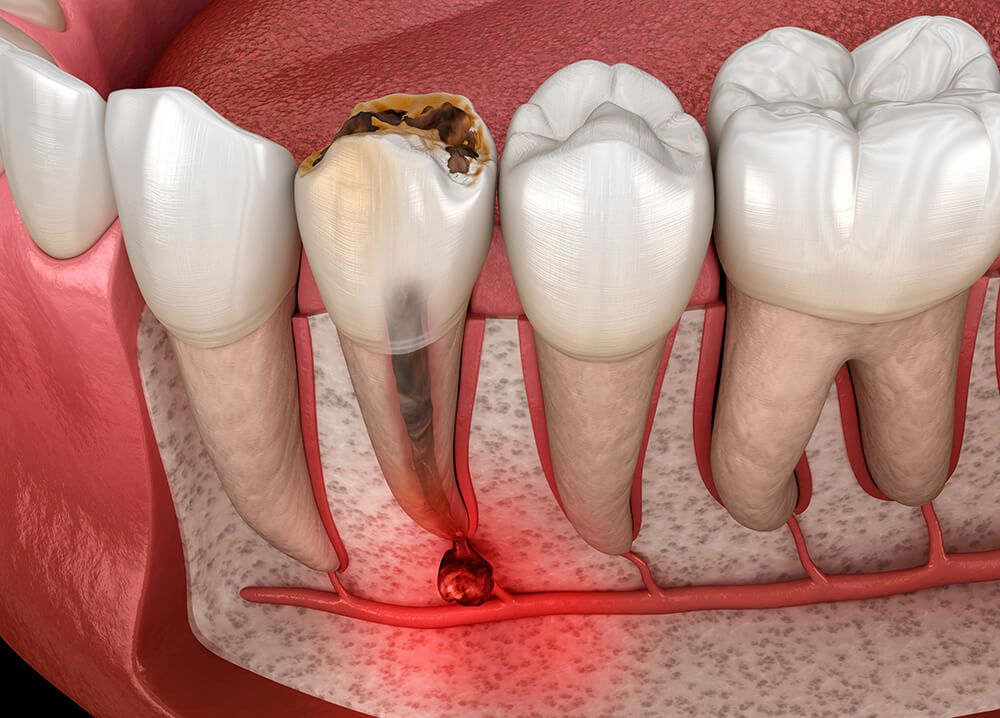
ling, a thorough examination or even partial re-treatment might be necessary before further restoration to ensure no bacterial lurks.
Additionally, having undergone a root canal treatment means the tooth has lost some vitality and becomes more fragile. Therefore, when considering future dental work, the tooth’s durability must be assessed, potentially requiring a crown to reduce damage from occlusal pressure.
**How to Minimize Future Issues?**
Firstly, when receiving treatment in mainland China, ensure you obtain complete medical records and X-rays from the dentist. This allows any Hong Kong dentist you visit later to have a reference point regarding your dental condition. Secondly, remember to follow up periodically after treatment, whether in mainland China or Hong Kong. Regular dental check-ups, especially on the treated teeth, are crucial. Thirdly, pay attention to your diet and oral care routine. Avoid biting hard objects and maintain oral hygiene to reduce the risk of reinfection.
**How Do Hong Kong Dentists View This?**
Most Hong Kong dentists understand that some patients seek treatment in mainland China for scheduling or other reasons. They generally won’t refuse to follow up based on the treatment location, but they will thoroughly check the status of the treatment received in mainland China. Sometimes dentists may recommend an X-ray before deciding on further restoration or crowning to ensure the treatment is secure. The most crucial takeaway is that dental health is a long-term investment and should not be sacrificed for short-term convenience.
**Conclusion**
Root canal treatment in mainland China does not necessarily affect future dental work, but the key lies in the quality of treatment and post-operative care. If the procedure is done meticulously, records are preserved, and you maintain good oral hygiene, further dental work should pose no major issues. However, if the initial treatment is flawed or regular check-ups are ignored, additional interventions might be needed. Wherever you undergo dental treatment, remember: early detection and management are crucial for long-lasting dental health.
















