




**Will Communication Challenges Arise During Root Canal Treatment with Northern Dentists?**
In recent years, many Hong Kong residents have chosen to consult dentists in mainland China for various reasons: curiosity about the new dental technologies, the perception of well-equipped facilities, or the appeal of numerous service options. However, when it comes to undergoing a root canal treatment—commonly known as "Du Ya Gen"—people often worry about communication issues. This dental procedure is relatively complex, and any miscommunication or misunderstanding could potentially impact the treatments overall effectiveness.
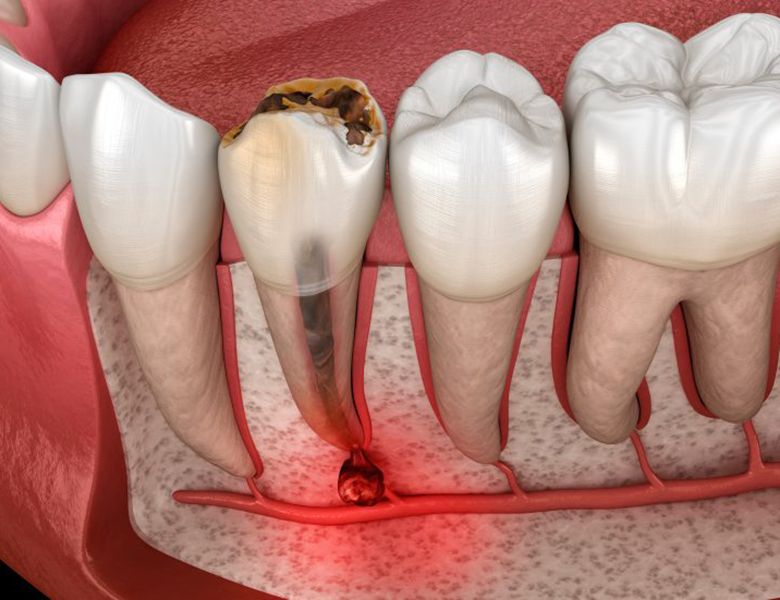
Lets first clarify what root canal treatment entails. Essentially, when the pulp inside a tooth becomes inflamed or necrotic, a dentist will remove the infected pulp, clean the root canal thoroughly, and then seal it, aiming to preserve the original tooth and avoid immediate extraction. This process involves several steps, requires time and patience, and necessitates cooperation between the patient and the dentist. Therefore, if communication is not smooth, several issues may arise: the patient might not completely understand the treatment steps, might be unclear about the collaboration requirements, or even misinterpret the treatment outcomes.
What are the main communication challenges when seeing a dentist in mainland China? Firstly, its about the language and expression used. Hong Kong residents generally communicate in Cantonese, whereas many dentists in mainland China speak Mandarin. Though most individuals can understand each others spoken word, there may be differences in professional terminology. For instance, "Du Ya Gen" is known as "Root Canal Treatment" in mainland China, and "dental pulp" might be referred to as the "dental nerve." These variations might initially cause confusion for patients unfamiliar with the terms.
Secondly, its the thoroughness of the dentists explanations. Hong Kong patients are accustomed to dentists explaining each step, sometimes using everyday examples to facilitate understanding. However, some mainland dentists may employ professional terms directly, offering concise and efficient communication. This difference isnt inherently good or bad; it depends on the patients listening skills and acceptance levels. Being mentally prepared or asking questions proactively can mitigate misunderstandings.
Additionally, cultural differences and varying service modes might affect ones communication experience. Hong Kong dental clinics often offer flexible scheduling tailored to the patients convenience, whereas in some areas of mainland China, appointments might have to be booke
d in advance, and multiple steps could be arranged during a single longer visit. If expectations arent set clearly, one might mistakenly assume the schedule is unusual or misaligned with personal preferences.
How can one reduce communication issues? First, before seeing the dentist, gather relevant information, such as researching the "Root Canal Treatment" process, and familiarize yourself with how the corresponding Cantonese terms translate into Mandarin. This helps during consultation, making it easier to understand the dentists explanations. Second, if your Mandarin comprehension isnt strong, prepare some dental-related Mandarin phrases beforehand or inquire using straightforward questions like, "Is root canal cleaning similar to Du Ya Gen?" to clarify your concerns.
Moreover, when heading north for dental care, its best to bring previous medical records, including X-rays and treatment history, to provide the dentist with background information, minimizing misjudgments. You can also request visual aids like diagrams or models, as visual tools often offer clearer understanding than auditory explanations alone. Many dental practices in mainland China are equipped with advanced technology for on-the-spot imaging or photos, aiding you in grasping the situation effectively.
Many people worry about language barriers during their first northern experience of undergoing "Du Ya Gen," but by lowering defenses and asking questions, any confusion can typically be addressed by patient dentists. Particularly in Greater Bay Area cities, lots of dentists have interacted with Hong Kong patients and possess bilingual communication experience; mixing Mandarin with a bit of Cantonese is generally manageable.
In summary, the question "Will communication challenges arise during root canal treatment with northern dentists?" has the answer: Potentially, but its easily solvable. With adequate preparation, attention to professional terminology differences, utilizing onsite resources (like images, models, and visuals), combined with proactive dialogue, the quality of root canal treatment in mainland China doesnt have to fall short compared to Hong Kong. You might even find that experiencing a different environment and accessing diverse dental experiences is an intriguing attempt.
Remember, dental treatment isnt solely about technique; it’s also about the collaboration between patient and dentist. Clear communication is crucial for confidently entrusting your dental wellness to the hands of a dental professional. When seeing a dentist in mainland China, the focus isnt distance but whether both parties are committed to effective communication.
















