




**Is Complex Root Canal Treatment Suitable Up North?**
In recent years, many Hong Kong residents have considered traveling north for dental treatments, including root canal therapy. The primary reasons often cited are the variety of choices, flexible scheduling, and convenient transportation. However, when it comes to cases with complex root shapes, is traveling north for root canal treatment truly appropriate? This is a question worth examining closely.
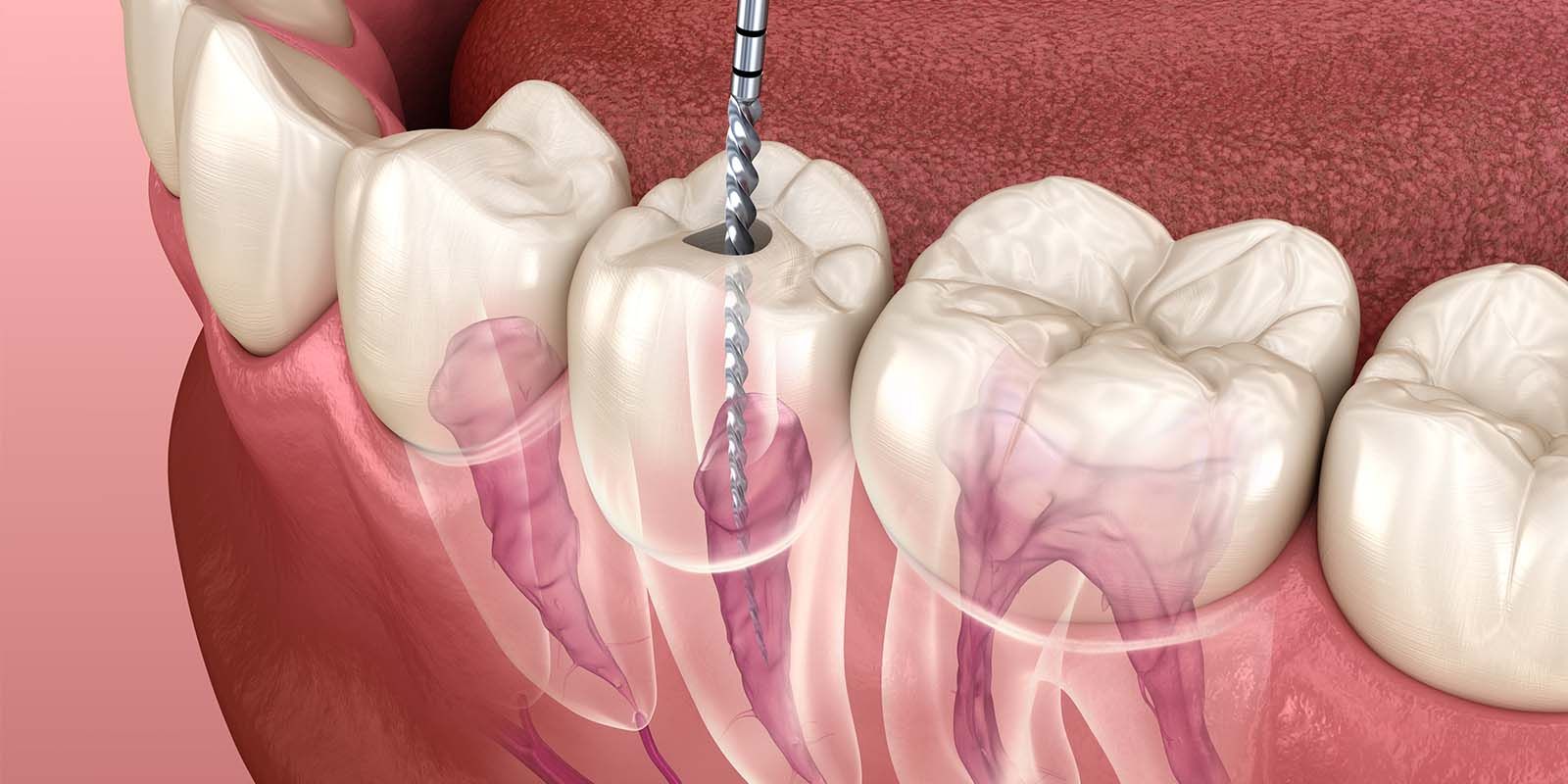
Firstly, lets define what root canal treatment entails. It is a procedure aimed at dealing with infections in the tooth nerve and root area, with the ultimate goal of preserving the original tooth and avoiding extraction. The process involves cleaning out necrotic tissue within the root and sealing it with materials to prevent further infection. Though it may sound straightforward, each individuals tooth root shape can vary greatly; some are simple and straight, while others are curved and have multiple branches, increasing the complexity and difficulty of the treatment.
Complex root shapes typically occur in certain molars or individuals with unique dental structures. In such cases, the dentist needs to operate with precision and possibly employ advanced imaging tools like high-quality dental microscopes and 3D scans to accurately trace the root path. Without these, parts of the root may remain improperly cleaned, leading to post-treatment inflammation or discomfort.
When considering treatment up north, you must pay attention to the dental clinics equipment and the dentists expertise. Many major dental institutions in the Mainland have upgraded their equipment rapidly in recent years, with some even introducing international brands. However, not every facility is fully equipped. Especially for cases involving complex root shapes, it is best to seek out a dentist and team experienced in microscopic root canal treatments, as this significantly increases the success rate.
Another important factor is diagnosis and communication. Complex root situations require the dentist to patiently explain the treatment plan, st
eps, and potential risks. While most northern dentists can communicate in Mandarin, professional terminology and patient experiences must be clearly conveyed to minimize misunderstandings. Its advisable to prepare your dental records and any X-rays or other examination materials in advance, so the dentist can quickly grasp your situation.
Time is also a crucial factor in dealing with complex roots. Root canal therapy is usually not a one-time fix; complex cases may require multiple sessions, with intervals determined by the tooths recovery process. If your travel plans to the north are tightly packed or your work schedule doesnt allow for frequent trips, transportation and time costs need to be considered.
Naturally, seeking treatment up north offers advantages, such as the ability to compare numerous clinics, faster registration processes in some areas, and possibly access to techniques recently introduced and not yet widespread in Hong Kong. But in cases of complex root shapes, the priority remains finding a place with suitable experience and equipment. Relying solely on friends recommendations or online reviews without a thorough examination may not be wise, as individual dental conditions can vary significantly.
In conclusion, whether in Hong Kong or up north, a detailed discussion with your dentist before undergoing root canal treatment is essential. Fully understanding the treatment process, potential difficulties, and post-care is crucial. Teeth are a lifetime commitment, not a short-term consideration, and handling complex roots requires caution and patience. With adequate preparation, you can better assess whether northern root canal treatment is suitable for your situation.
To sum up, traveling north can be an option for cases with complex root shapes, but it is not automatically appropriate. The key is selecting a dental team equipped with advanced technology, skills, and experience, while considering your own transportation, schedule arrangements, and communication ease. This ensures higher treatment success rates and long-term dental health stability.
















