




**Root Canal Treatment in Mainland China: A Solution for Severe Toothache**
In recent years, many Hong Kong residents have developed the habit of seeking dental care in Mainland China, especially when plagued by unbearable tooth pain. Root canal treatment has become the go-to solution for many facing such dental dilemmas. Simply put, a root canal involves removing the infected or damaged pulp (commonly known as the nerve) inside the tooth, and then sealing the restored tooth, allowing you to preserve your natural teeth without resorting to immediate extraction. For those suffering from extreme toothache and not wishing to lose their real teeth, a root canal is an ideal option.
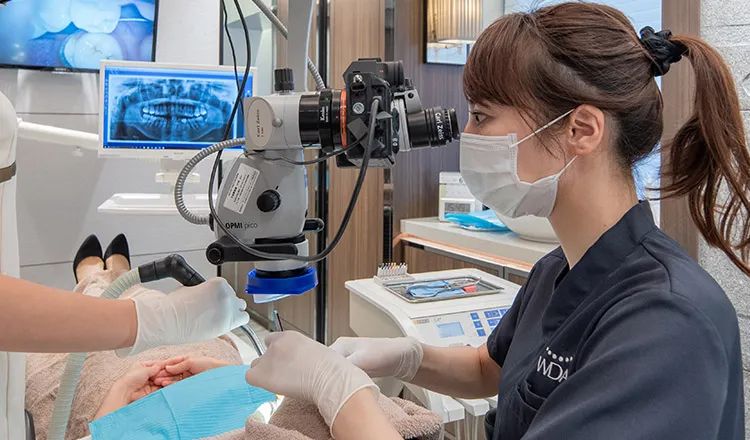
There are several reasons why numerous Hong Kong citizens choose to undergo root canal treatment in Mainland China. Firstly, dental clinics in the mainland have significantly advanced in terms of equipment and techniques. Many facilities now leverage state-of-the-art microscopic technology and digital imaging for more precise dental issues resolution. Secondly, mainland dental services are known for their attentive care; clinics provide clean and comfortable environments, and its relatively easy to secure appointments without long waiting times. Thirdly, even aside from cost considerations, many mainland dentists possess rich experience, confidently handling complex dental cases.
Root canal treatment is typically suitable for situations where the pulp is infected or inflamed, such as when a cavity has advanced deep enough to cause severe pain that disrupts sleep and eating. Trauma that leads to pulp necrosis can also necessitate this procedure. The process generally involves several steps: the dentist administers anesthesia to ensure a painless experience, uses professional tools to open the tooth, removes the damaged pulp and bacteria, thoroughly disinfects the area, and finally seals the tooth with a filling. Post-treatment, a crown may be required to protect the tooth from further damage.
Ignoring toothache is
inadvisable because if the tooth pulp becomes infected, bacteria can spread through the roots, potentially affecting the jawbone and causing facial swelling, fever, and a threat to overall health. A root canal effectively "cleans up" the tooth, eliminating pain sources while preserving its structure, allowing you to retain a healthy tooth despite the pain. Many who have undergone root canal treatment report significant improvements in life quality, including the ability to chew confidently.
For those opting for treatment in Mainland China, its crucial to choose a reputable dental clinic with high hygiene standards. You can ensure peace of mind by checking online reviews, seeking recommendations from friends, or visiting in person to assess the environment. Before the procedure, communicate thoroughly with your dentist about your pain history and any other health issues to devise the most suitable treatment plan. In some cases, immediate root canal treatment isnt necessary, as some conditions might be managed with simple fillings or observation. However, if the pain becomes intolerable, root canal treatment is highly effective.
Post-treatment care is equally essential. Even though the pulp has been removed, the tooth remains yours, and maintaining good oral hygiene is vital. Regular brushing twice a day, flossing, and routine dental check-ups can help prevent further decay. Initially, the treated tooth may be slightly sensitive, so avoid chewing extremely hard foods to allow it time to adapt.
In conclusion, for those experiencing severe tooth pain that disrupts daily life but who wish to preserve their natural teeth, seeking root canal treatment in Mainland China is a viable option. With advanced equipment, professional expertise, and attentive services, many Hong Kong residents feel secure venturing across the border for treatment. Most importantly, dont wait until the pain is unbearable to see a dentist—addressing issues early can help you enjoy a pain-free smile and healthy oral life.
















