




**Is Communication Easy for Hong Kongers Undergoing Root Canal Treatment in Mainland China?**
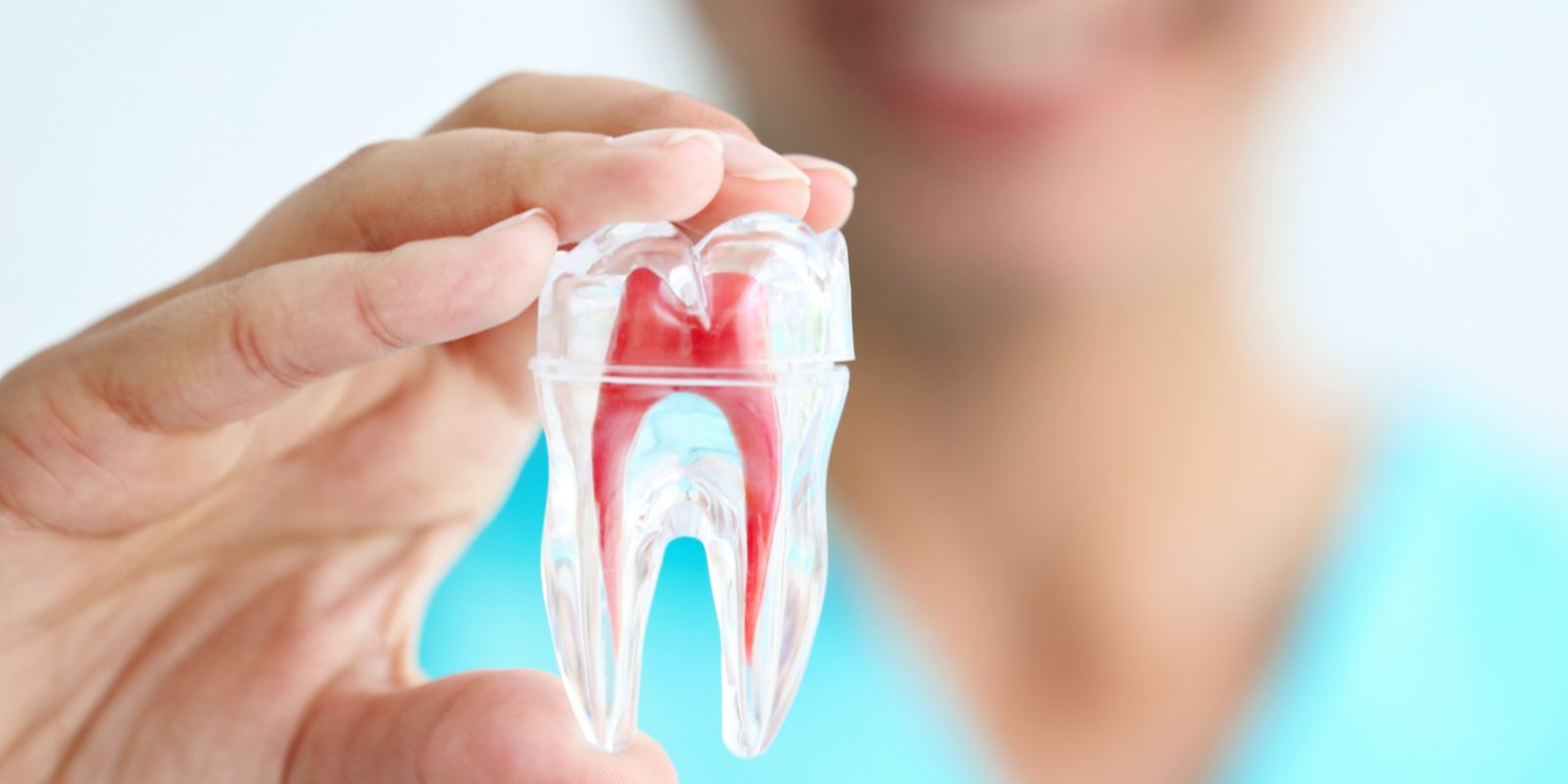
In recent years, people have had more choices for dental services, and some Hong Kong residents are considering traveling north to Shenzhen or other cities in Mainland China for dental treatment. One common option is root canal treatment, which addresses inflammation or necrosis of the dental pulp to preserve the original tooth and avoid immediate extraction. However, communication in a city with a different cultural and linguistic background is a crucial factor.
**Why Communication is Key**
Root canal treatment is not as simple as a dental cleaning; its a more complex procedure usually completed over several sessions, involving the opening of the tooth, cleaning the pulp, disinfection, and sealing the root. Each step involves numerous technical terms and details such as treatment duration, the potential need for additional dental surgeries, and possible discomfort during the process. Miscommunications can easily arise if interactions with the dentist arent smooth, potentially affecting treatment outcomes. Therefore, good communication is tantamount to ensuring treatment security.
**Language Differences**
While Cantonese is widely spoken in Guangdong Province, most dentists in Mainland China primarily communicate in Mandarin. Hong Kong residents who are not accustomed to speaking Mandarin may initially find it challenging. Nevertheless, many dentists catering to cross-border patients are fluent in Cantonese or use bilingual explanations. Patience and attention are vital when dealing with technical terms such as pulpitis, bacterial infection, or filling materials. Most Hong Kong residents can handle most situations as long as basic Mandarin communication is manageable.
**Preparation is Better than Last-Minute Cramming**
For those worried about misunderstanding the dentist during treatment, doing a bit of homework beforehand could ease concerns. This can involve searching online for simple explanations of the root canal process to familiarize oneself with basic terminology or asking clinic staff in advance about the dentists ability to speak Cantonese and provide straightforward explanations. Writing
down your dental condition and past treatment history for the dentist to review can reduce verbal communication stress.
**Attitude Matters**
Even when language barriers exist, a friendly and accommodating attitude can facilitate smooth communication. When visiting a dentist unfamiliar with Cantonese, Hong Kong residents can use slower-paced Mandarin or gestures to express their feelings or needs. Dentists usually understand the patients apprehensive emotions and respond patiently. Some clinics even offer translation services or visual illustrations to aid understanding.
**Interaction During the Treatment Process**
Root canal treatment typically unfolds over multiple sessions, making trust-building with the dentist especially important. If the initial treatment goes smoothly and communication is clear, subsequent sessions will naturally be more comfortable. If the first interaction feels unsatisfactory, patients can request clearer explanations or switch to another dentist who communicates better.
**Tips for Effective Communication**
1. Use simple and direct expressions such as "pain," "sore," or "numbness" to help the dentist understand your condition.
2. Dont hesitate to ask for clarification on technical terms you dont understand.
3. After treatment, document the dentists instructions to ensure proper dental care upon returning to Hong Kong.
4. Use your phone to record prescription names or take photos to avoid confusion due to different naming conventions.
**Conclusion**
Whether communication is easy for Hong Kong residents seeking root canal treatment in Mainland China depends on personal preparation, the dentists language skills, and mutual cooperation. Although language differences may pose minor challenges, understanding the treatment process, articulating needs clearly, and demonstrating patience can lead to successful treatment outcomes. For Hong Kong residents, crossing north for dental treatment is not just a medical experience but also potential for cross-cultural exchange. Sitting in that dental chair, when you find yourself chatting comfortably with a dentist from another region, the sense of ease and familiarity transforms "going north for dental care" into a natural choice.
















