




**Will Going North for Root Canal Treatment Affect Teeth Alignment?**
In recent years, many Hong Kong residents have chosen to go north for dental care, especially for root canal treatments, due to flexible scheduling and a wider range of options. However, there is growing concern: will undergoing root canal treatment in Mainland China impact teeth alignment? To address this question accurately, we must first understand what root canal treatment involves and what factors influence teeth alignment.
**What is Root Canal Treatment?**
Root canal treatment is typically performed when the tooths nerve becomes inflamed, infected, or necrotic. The dentist will open the tooth, clean and disinfect the root canal, then seal it with materials to prevent further bacterial infection. Simply put, it involves "removing the nerve" to extend the tooths lifespan and avoid immediate extraction.
**The Connection Between Root Canal Treatment and Teeth Alignment**
Under normal circumstances, a standalone root canal treatment does not directly alter teeth alignment. Alignment is primarily influenced by the alveolar bone, gums, the contact points between teeth, and occlusion status. However, if after treatment the tooth is not adequately covered with a crown or suffers significant wear without functional backing, adjacent teeth may gradually shift, causing slight changes in spacing or occlusion.
**Considerations for Treatment in Mainland China**
When opting for root canal treatment in Mainland China, finding an experienced and qualified dentist is crucial because the technical skills and sterilization procedures are vital. The dentist will assess your dental condition and may recommend a crown for protection. A crown not only safeguards the treated tooth but also stabilizes its position relative to adjacent teeth, thereby reducing the risk of gradual displacement.
**Post-Treatment Cares Impact on Alignment**
After completing root canal treatment,
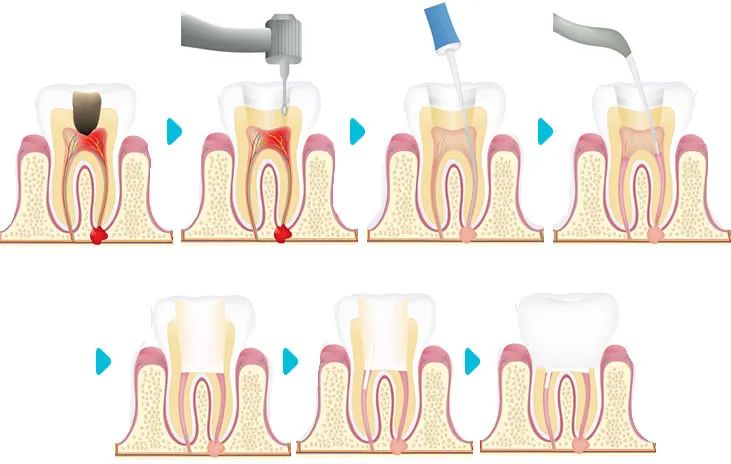
if the treated tooth is not used for biting over a long period, uneven pressure on gums and adjacent teeth may cause slight movement. Maintaining occlusal function can help preserve the original alignment of teeth. Additionally, regular check-ups to monitor tooth stability and occlusal changes are essential for early intervention.
**Impact of Lifestyle Habits**
Its not just the treatment itself; daily habits also affect tooth positioning. Frequently using one side for chewing, biting hard objects, or consistently chewing gum can exert pressure on one side of the teeth, gradually changing their alignment. Post-treatment, maintaining balanced chewing and good oral hygiene habits contribute to more stable teeth positioning.
**Differences Between Treatments in Mainland China and Hong Kong**
Some worry that the shorter duration of treatments in Mainland China may mean less thorough follow-up. However, with proper planning and selecting clinics with systematic follow-up arrangements, this concern can be mitigated. Some clinics offer post-treatment support via WeChat or phone consultations, providing instant answers to any questions. Regular check-ups ensure that, regardless of location, dental health and alignment are maintained.
**Conclusion**
Root canal treatment alone is not the direct cause of changes in teeth alignment; the key lies in post-treatment protection and care. By installing a suitable crown immediately after treatment, maintaining good occlusal habits, and having regular check-ups, teeth alignment can generally remain unchanged. The same applies to treatment in Mainland China; as long as a reliable dentist and clinic are chosen and combined with personal care, teeth can stay healthy and stable.
So, there’s no need to avoid going north for root canal treatment out of fear that your teeth might shift. Nor should location be a concern. With the right information and habits, your teeth can continue to shine beautifully.
















