




**Dental Equipment for Root Canal Treatment in Mainland China**
In recent years, more and more Hong Kong residents have been traveling to Mainland China for dental care, whether it be for fillings, cleanings, or root canal treatments (commonly known as “nerve removal”). People are eager to know about the quality of dental equipment used by dentists there. Root canal treatment, in particular, requires high precision, making the equipment crucial. This article discusses the equipment typically used by dentists in Mainland China for root canal treatments, how these tools affect the treatment outcome, and how to choose a reliable dentist.
Lets start by talking about what root canal treatment entails. Essentially, this procedure is necessary when the dental nerve is inflamed, necrotic, or severely decayed. The dentist opens the pulp chamber inside the tooth, removes the necrotic nerve tissue, and then cleans and seals the root canal. Given the intricate nature of this process, high-efficiency equipment is indispensable. Dental clinics in Mainland China, especially large dental centers, boast advanced equipment—often more high-tech than expected.
The most crucial piece of equipment is undoubtedly the **root canal microscope**. This microscope magnifies the internal structures of the tooth, allowing the dentist to see fine root canal branches clearly. Traditionally, relying solely on the naked eye can lead to missing small canals, resulting in post-treatment pain. Many dental clinics across the border now equip themselves with professional microscopes, significantly enhancing treatment success rates.
Moreover, some clinics utilize an **electronic apex locator**, which assists dentists in accurately measuring the length of the root canal, thereby preventing damage to the tooth bed due to insufficient or excessive cleaning. The precision of apex location directly impacts the treatment efficacy. Typically, dentists complement this with X-ray examinations, achieving high accuracy when used together.
Speaking of X-rays, **digital X-rays and CBCT three-dimensional scanning** deserve mention. Digital X-rays provide quicker results compared to traditional films and can be viewed immediately on a computer. CBCT (Cone Beam Computed Tomography) offers even greater precision, providing a three-dimensional view of the root and surrounding bone structures. Dentists often recommend a CBCT scan prior to complex root canal treatments to ensure accurate diagnosis.
Alongside imaging equ
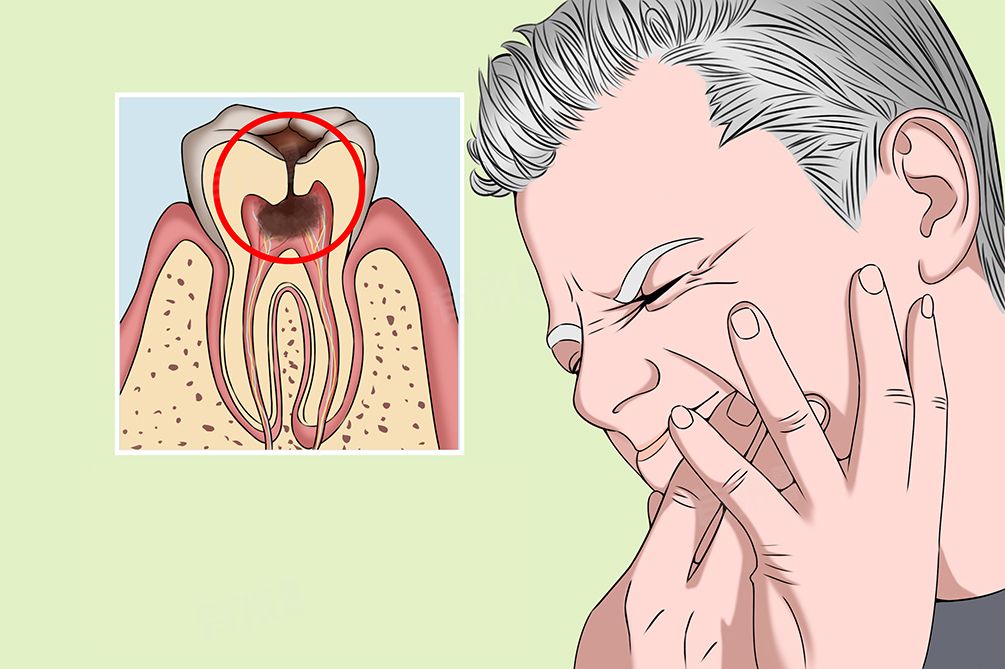
ipment, the **mechanical root canal preparation system** is also a popular tool in recent years. Previously, dentists mostly used manual files for slow cleaning; now, many have switched to electric mechanical root canal devices. These mechanically rotating tools operate at a steady speed and provide consistent force, efficiently removing infected tissue while minimizing the risk of inner canal wall damage. Combined with single-use sterilized instruments and a sterile environment, the entire process becomes safer.
Discussing sterility, we cannot overlook the **dental rubber dam system**. The rubber dam is a thin sheet of rubber used to isolate the tooth receiving treatment, preventing saliva from entering the treatment area and maintaining cleanliness while avoiding accidental ingestion of medication. Although simple, the presence of a rubber dam can indeed affect the quality of treatment. Many meticulous dentists across the border insist on using this device.
Further enhancing efficiency is the **ultrasonic root canal cleaning equipment**. Ultrasonic vibrations reach deep into the microscopic areas of the root, thoroughly flushing out residual tissue and bacteria, ensuring cleaner canals. The final step involves sealing the canals with medical-grade materials to prevent reinfection. This is usually achieved using a **thermal gutta-percha filling system**, which heats the material to ensure a close fit to the canal walls, enhancing durability.
Although advanced equipment is a consideration, other factors such as dentist qualifications, clinic hygiene standards, and patient reviews are equally important when choosing a dentist in Mainland China. The most expensive equipment isn’t always the best; the key is whether the dentist possesses professional judgement and technical expertise. Effective communication is also crucial, especially regarding explanations of treatment and precautions, ensuring that you understand every step.
Overall, the equipment used by dentists for root canal treatments in Mainland China is commendable. Tools like root canal microscopes, electronic apex locators, 3D imaging, rubber dams, mechanical systems, and ultrasonic cleaning are prevalent. With an experienced dentist, comprehensive equipment, and stringent operational processes, treatment results are generally reassuring. Visiting a dentist in Mainland China is no longer solely about saving money; it’s increasingly about finding a reliable, professional, and comfortable dental experience.
















