




**Should You Extract a Failed Root Canal Tooth?**
In Hong Kong, root canal treatment, known locally as "Du Ya Gen," is a common method for preserving ones natural teeth. Typically, when the dental pulp is damaged due to decay, trauma, or infection, dentists recommend this procedure to remove the affected tissue and seal the tooth, thereby preventing further deterioration. However, root canal therapy is not foolproof, and failure may occur due to various reasons. This leads to the pressing question: if a root canal fails, should the tooth be extracted?
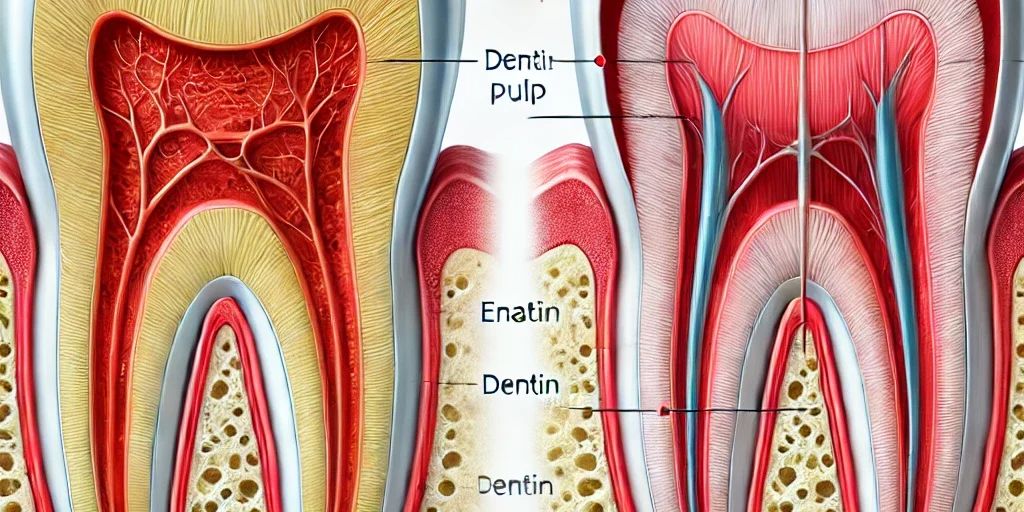
To address this concern, its essential to understand what constitutes a root canal failure. Common reasons include incomplete cleaning of the canal, leaving residual bacteria, leakage of sealing materials allowing new bacterial invasion, cracks in the tooth, or significant structural instability, as well as severe periodontal disease compromising the tooths support. When these issues arise, patients often experience renewed pain, discomfort when biting, swelling of the gums, or even pus discharge.
When a root canal fails, extraction isnt the only option. Often, dentists first assess the tooths condition to determine if a re-treatment (a repeat root canal) or a surgical root canal procedure, such as an apicoectomy, can solve the issue. If the tooths structure remains relatively stable and periodontal support is adequate, with limited infection, dentists generally lean towards preserving the tooth. After all, a natural tooth typically offers better chewing efficiency and comfort compared to dentures or implants.
However, certain situations necessitate extraction. These in
clude cases where the tooth is fractured at the root and irreparable, periodontal disease has rendered the tooth too loose to support, or the infection has severely compromised adjacent teeth and the supporting gum structure. In such scenarios, extraction is the safer choice to prevent further oral and systemic health complications.
Many people worry about the aesthetic and functional impact of a gap left by an extracted tooth. Fortunately, modern dentistry offers various restorative options, such as bridges, dentures, and implants, which can effectively restore both function and appearance post-extraction. The key is to have a detailed discussion with your dentist to find the solution best suited to your oral health and lifestyle needs.
To reduce the chances of root canal failure, maintaining good oral hygiene is crucial. Regular brushing and flossing, along with periodic dental check-ups, help in keeping your teeth clean and healthy. Even if youve had a root canal, continue to monitor for any discoloration, swelling, or pain. Early detection and treatment are vital in preventing escalation of dental problems.
In conclusion, a failed root canal does not automatically mean extraction is necessary. The best course of action involves a thorough evaluation by a professional dentist, considering the tooths structural integrity, degree of infection, and overall oral health status. For patients, adopting good oral care practices and attending regular check-ups are the long-term strategies for preserving dental health. Remember, your teeth are lifelong companions—take care of them, and you can enjoy a vibrant and confident smile.
















