




**Will a Tooth Die Sooner After a Root Canal Treatment?**
When people hear their dentist recommend a "root canal," many tend to worry, fearing that it might shorten the lifespan of the tooth and eventually lead to extraction. In reality, root canal treatment is a common dental procedure designed to preserve your tooth rather than shorten its life.
**What is a Root Canal?**
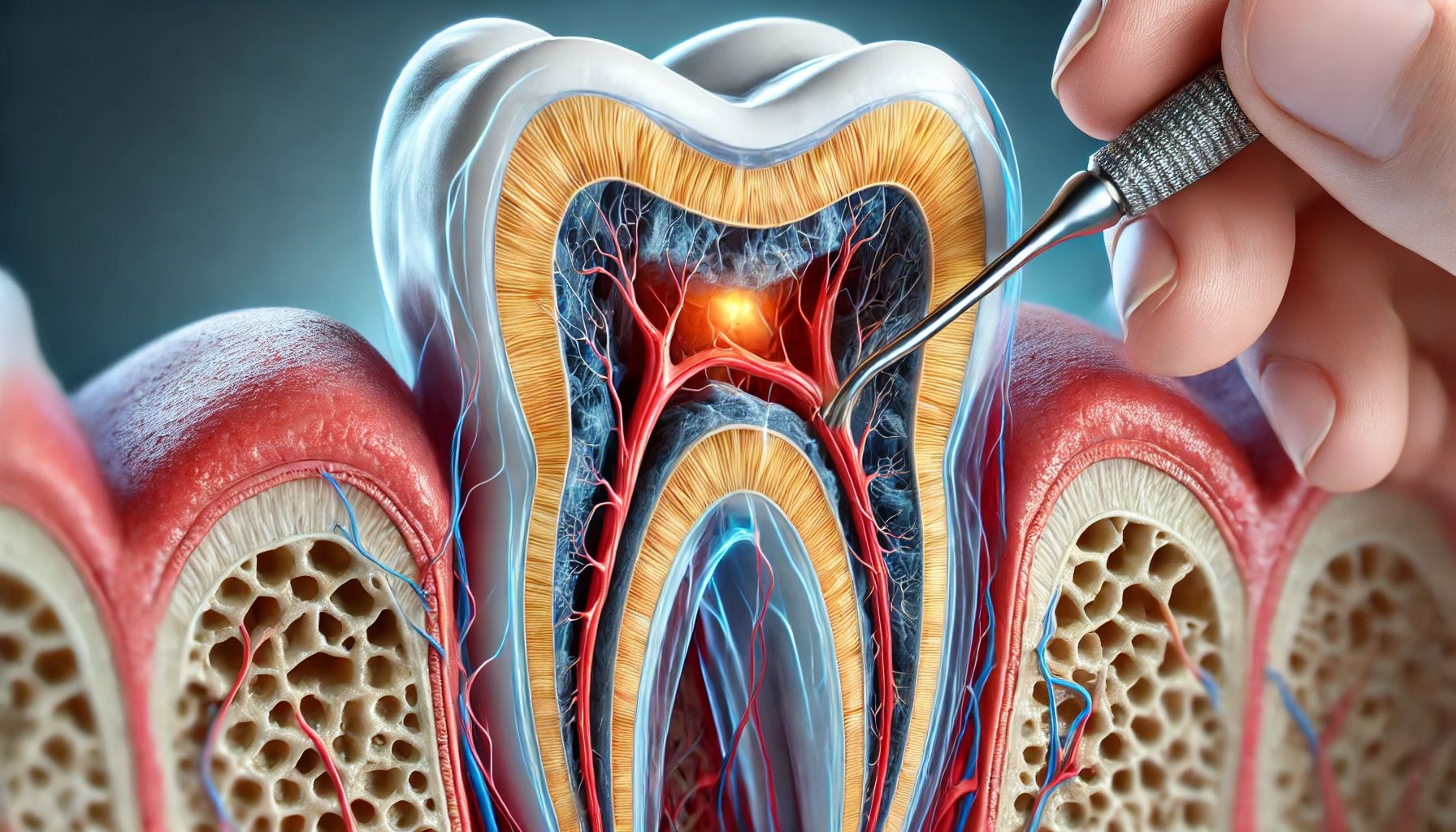
A root canal treatment involves removing the inflamed or necrotic dental pulp (commonly known as the nerve) from inside the tooth, then sealing the root canals with material to prevent further bacterial invasion. This process allows the tooth to remain in place without immediate extraction. Often, if a tooth is deeply decayed or injured and the nerve is infected, a root canal is the only way to save that tooth.
**Does a Root Canal Affect the Longevity of a Tooth?**
The longevity of a tooth is not solely determined by the root canal procedure; it largely depends on subsequent care and daily habits. Root canal treatment is inherently safe and effective. With proper restorative measures, such as placing a dental crown for protection, and maintaining good oral hygiene, the tooth can last for many years. Conversely, neglecting these aspects can make the tooth brittle due to loss of nerve function, increasing the risk of cracking when biting hard foods.
**Why Do Some People Think Root Canal-Treated Teeth Are More Prone to Damage?**
The main reason is that after a root canal, the tooth no longer receives moisture from the nerve, causing it to become somewhat dry and brittle. Additionally, the reduced pain response can mean that biting hard objects feels pain-free, but may already be causing cracks. Without additional protection, such as a cr
own, the tooth faces greater stress over time. Incomplete root canal procedures that leave residual bacteria can lead to reinfection and inflammation around the tooth root. These can contribute to a tooths "shortened life," but regular treatment and post-procedure care typically prevent these issues.
**How to Ensure Longevity for a Root Canal-Treated Tooth?**
1. **Use a Dental Crown for Protection**: A crown helps the tooth withstand everyday biting forces and prevents fractures.
2. **Maintain Oral Hygiene**: Brush twice daily and use dental floss or interdental brushes to minimize bacterial buildup.
3. **Avoid Biting Hard Objects**: Refrain from using the treated tooth to bite hard candies, ice cubes, or nutshells.
4. **Regular Dental Check-ups**: Visit the dentist every six months to ensure no new issues arise with the tooth.
**Real-Life Examples**
Some individuals who received root canal treatment and followed up with a dental crown found their teeth remained functional for years without any eating difficulties. Others, however, neglect follow-up care, and a chance bite on something hard results in a cracked tooth that ultimately must be extracted. This highlights that treatment is only the first step, while subsequent care is crucial.
**Conclusion**
A root canal doesnt equate to a tooths shortened life; its a preservation method designed to save your tooth. With proper treatment, restoration, daily care, and check-ups, your tooth can last many more years. If your dentist recommends a root canal, focus not on undue worry but on how to care for the tooth post-procedure to maximize its longevity. Remember, teeth are your companions; with proper care, even after a root canal, they can last a lifetime.
















