




# Are Root Canals More Successful in Mainland China?
In recent years, many people in Hong Kong have noticed that when dealing with significant dental issues, especially those involving damaged dental nerves, dentists often recommend undergoing a root canal treatment. This procedure involves removing infected or dead dental pulp from inside the tooth, then sealing the area to prevent further bacterial invasion, allowing the tooth to continue functioning. Due to limited medical resources in Hong Kong and the perception that dental surgeries in mainland China meet certain technical standards, traveling north for root canal treatments has become a topic of discussion. But is the success rate truly higher?
## Understanding Causes of Dental Nerve Issues
First, its essential to understand the causes of dental nerve problems. While some might try to endure tooth pain, an infected dental nerve can lead to persistent pain, gum swelling, and even fever. Causes can include untreated cavities, fractured teeth, or gum disease affecting the dental pulp. Without timely treatment, not only does the pain worsen, but the tooth may eventually become unsalvageable.
## Factors Influencing Success Rates in Mainland China
When considering a root canal in mainland China, several factors are often considered: the doctors experience, equipment quality, treatment process, and patient cooperation. In recent years, dental centers in major mainland cities, especially large chains, have improved significantly in terms of equipment and technology, with some adopting digital X-rays and microscope-assisted treatments, which theoretically can enhance root canal success rates.
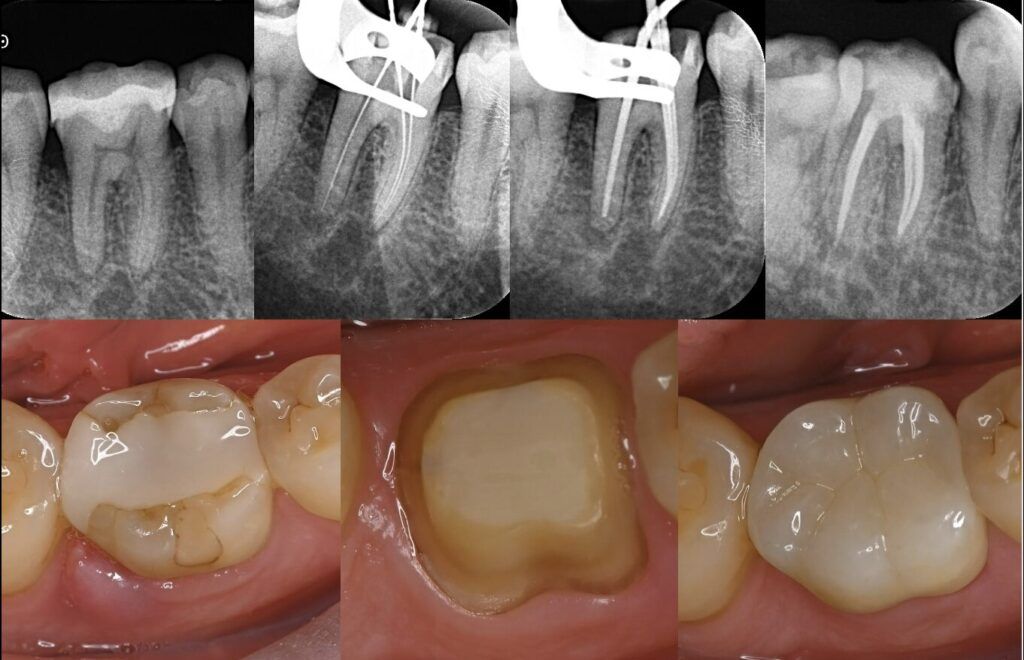
However, the success rate of a root canal is not solely determined by the surgery itself. The procedure involves several steps: cleaning the pulp chamber and canals of infected tissue, thoroughly rinsing with disinfectant, and sealing the root canals to prevent bacterial re-entry. Each step requires precision, and communication between the doctor and patient is crucial. For instance, if patients delay follow-up appointments, it can impact the overall treatment outcome.
## Patient Perceptions and the Need for Data
Some individuals choose to travel north for dental care based on friends testimonies of high success rates and minimal side effects. However, assessing success rates requires statistical data and consideration of personal circumstances. Standard procedures for dental nerve treatments are globally established, and outcomes d
epend on the doctor’s skill, equipment support, and the patient’s adherence to post-treatment care. Even in Hong Kong, neglecting follow-up care can compromise the success rate.
## Differences in Healthcare Environments
The healthcare environment in mainland China differs from Hong Kongs. Mainland dental clinics offer more options, and in big cities, doctors often encounter a wide range of complex cases, providing them with substantial experience. However, choosing a clinic in a remote area or a smaller operation may come with inadequacies in equipment or management, increasing risks. Therefore, if you plan to travel north for a root canal, it’s wise to research the clinics background, the doctor’s qualifications, and patient reviews in advance.
## Impact of Individual Dental Conditions
Another factor affecting success rates is the patients own dental health. If a tooth’s structure is severely compromised or periodontal tissue has deteriorated, the success rate for a root canal naturally decreases. Additionally, people react differently to treatments—some have sensitive constitutions, leading to longer recovery periods, so effectiveness cannot be judged solely by location.
## Post-Treatment Care Considerations
Proper post-treatment care is crucial, regardless of where the procedure is performed. After a root canal, dentists usually recommend adding a crown for protection, as the tooth becomes more fragile. Maintaining good oral hygiene and having regular check-ups are key to preserving treatment outcomes. Many patients who return to Hong Kong after a northbound root canal and fail to keep up with follow-ups might face re-infection, necessitating retreatment regardless of initial success.
## Conclusion
In conclusion, the success rates of root canals in mainland China could match or even exceed those in Hong Kong, especially with experienced doctors and well-equipped facilities. However, success is not guaranteed, and careful consideration should be given to researching the clinic and doctor, assessing your dental condition, and not relying solely on anecdotal advice. Knowledge and informed decisions are the keys to ensuring dental health and effective treatment outcomes.
Dental nerve issues are serious—they can significantly impact your daily life and emotions. Whether in Hong Kong or mainland China, addressing tooth pain promptly and seeking a professional dental diagnosis is crucial. Treat your teeth well to maintain your smile and chewing functions in the long term.
















