




**Should You Quit Smoking After a Root Canal Treatment?**
Root canal treatment is a familiar procedure for many in Hong Kong, often recommended by dentists when theres severe tooth decay or pulp inflammation. The process may require several visits, aiming to remove infected pulp tissue, disinfect, and seal the tooth, thereby preserving its original structure and preventing extraction. One frequently asked question following a root canal treatment is whether you can continue to smoke. This isnt just a matter of personal habit; it significantly affects the healing process and success of the treatment.
Firstly, its important to understand that while the interior of the tooth is cleaned and sealed post-treatment, the surrounding tissues need time to heal. The body requires ample blood supply to facilitate healing, a process hampered by smoking. Nicotine and other harmful substances in tobacco cause blood vessels to constrict, reducing the oxygen and nutrients reaching the periodontal tissues, which can slow down recovery and increase the risk of secondary infection.
Smoking also impacts the oral environment. After a root canal, maintaining good oral hygiene is crucial, which includes regular brushing, flossing, and rinsing. However, smoking decreases saliva production, allowing bacteria to thrive and increasing the likelihood of gum and periodontal issues. A clean and moist oral environment is vital for post-treatment recovery, and smoking disrupts this balance, negatively affecting the treatment results.
Furthermore, the smoke and heat from smoking directly irritate the treated area. Although the surface of the tooth is sealed, the gums and surrounding soft tissues remain sensitive to irritation, particularly in the early stages of healing. This can cause discomfort or pain, prolonging recovery time. Many patients report a sensation of soreness or tightness at the treatmen
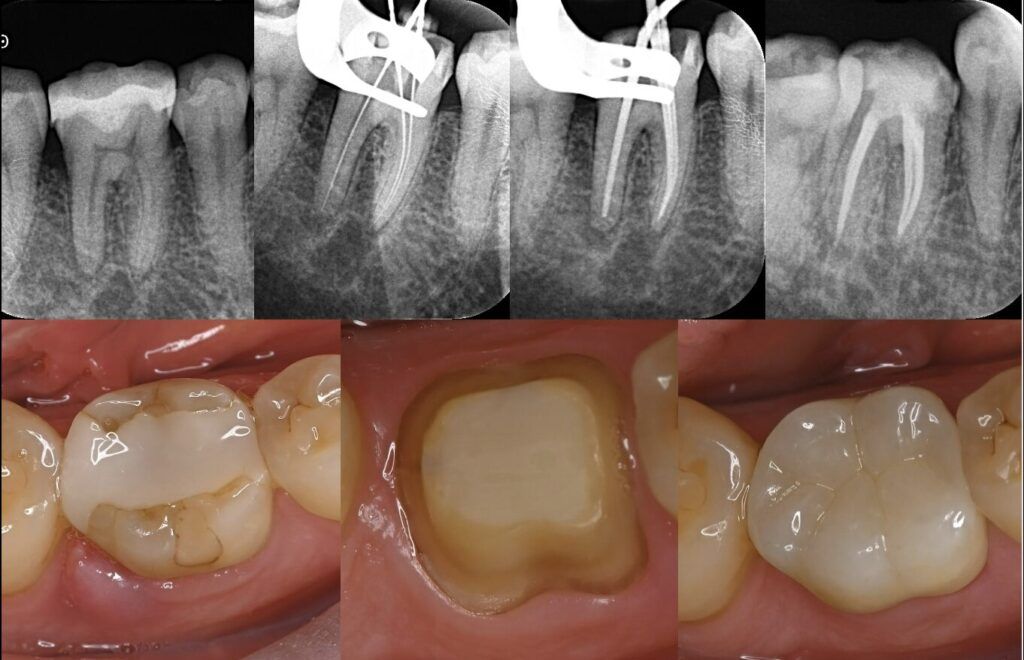
t site when smoking, due to the chemical components and heat stimulating nerves and blood vessels.
Smoking also weakens the immune system, crucial for preventing infection post-dental treatment. It reduces the activity of immune cells, diminishing the bodys ability to fight bacteria and viruses. A weakened immune system makes teeth and gums more susceptible to damage and affects overall oral health, potentially lengthening inflammation or increasing the risk of periodontal disease.
So whats the best course of action? Dentists typically advise heavy smokers to reduce or ideally cease smoking during the recovery period after a root canal. Abstaining from smoking for at least a few weeks after treatment allows teeth and periodontal tissues ample time to heal. Quitting smoking benefits overall health, not just oral health, but also cardiovascular and lung health. This recovery period may serve as a prime opportunity to cut down or quit smoking altogether.
Even if immediate cessation isnt feasible, there are steps to mitigate smokings impact. Avoid smoking right after treatment, maintain oral cleanliness, rinse your mouth after smoking, and drink plenty of water to support saliva production. Increase your intake of vitamin C and protein to aid gum healing. Regular dental check-ups are essential to ensure proper healing and to address potential issues early.
In summary, smoking after a root canal does indeed negatively impact recovery, making quitting the ideal option. If quitting entirely isnt possible, at least temporarily stop or reduce smoking to give your teeth the best chance to heal. After all, youve invested time and effort in your root canal treatment, hoping for long-lasting results. A healthy mouth not only enhances your smile but also contributes to overall comfort in daily life. Protecting your teeth by quitting smoking is a responsible choice for your health.
















