





**Is It Natural to Get a Root Canal Treatment Done in Mainland China?**
In recent years, oral health has become a growing concern among many Hong Kong residents, especially the procedure known as "root canal therapy." This treatment, essential for maintaining tooth function and avoiding unnecessary extraction, focuses on managing the root of the tooth. While some opt to undergo the treatment locally, others consider traveling to Mainland China for it. This raises commonly asked questions: Is getting a root canal done in Mainland China natural and reliable?
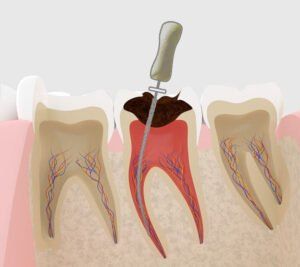
Firstly, its important to understand that root canal treatment is far more complex than a simple tooth cleaning; it is a precise dental procedure. Dentists must diagnose any pulp infection, use specialized tools to disinfect and clean the root canal, and then seal it to prevent further infection. The effectiveness and natural-looking results of the treatment largely depend on the dentists expertise and the equipment used, whether you choose to have it done locally or in Mainland China.
In Hong Kong, many believe that dental technology is mature and follow-up care is convenient. However, in recent years, dental clinics in Mainland China have improved significantly, offering modern equipment and advanced imaging and microscopic tools. For those preferring quick, efficient solutions in one visit, these clinics can complete multiple treatments, saving time. Still, it’s crucial to remember that having advanced equipment doesn’t always guarantee natural results. Factors such as the dentist’s clinical experience, meticulous operation, and your specific dental condition equally influence the final outcome.
Why do some people say root canals done in Mainland China look natural? Its often because certain dentists pay particular attention to the tooth’s appearance and occlusion. After the root canal, they might recommend a dental crown to ensure the tooth looks similar to a natural one. The choice of materials, such as matching the color and translucen
cy with your original teeth, also contributes to a less "artificial" appearance. Some patients return without their friends noticing any change, which is perceived as natural.
Of course, there have been instances where people aren’t completely satisfied post-treatment in Mainland China, possibly due to inadequate aftercare or untreated underlying dental issues. Unlike a regular filling, root canal treatment requires ongoing maintenance, like avoiding hard foods and scheduling regular dental check-ups. Regardless of where you get it done, neglecting post-treatment care can adversely affect the results.
Another critical consideration is communication. Root canal treatment involves numerous details that necessitate clear understanding between you and your dentist. In Hong Kong, there’s usually no language barrier, facilitating easier explanations. In Mainland China, ensure your dentist understands your needs and that you can grasp their suggestions. Clear communication can resolve many questions during the procedure, minimizing misunderstandings and aligning results with your expectations.
Ultimately, whether a root canal done in Mainland China appears natural largely depends on the dentist and clinic you choose. Some are satisfied with treatments in Mainland China, while others prefer local procedures. Crucially, thorough research is needed beforehand; check the clinics reputation, dentists experience, previous case photos, and whether their materials and techniques fit your condition. Root canal treatment is complex, so choosing wisely is essential.
If achieving a natural result is your goal, don’t just chase convenience and speed; durability and comfort are key since teeth are meant to last. Mainland China or Hong Kong each has its pros and cons, and the decision should be based on your dental situation, preferred follow-up arrangements, and confidence in the dentist’s skills. With adequate preparation, achieving a natural and robust outcome from a root canal is possible, regardless of location.
















