








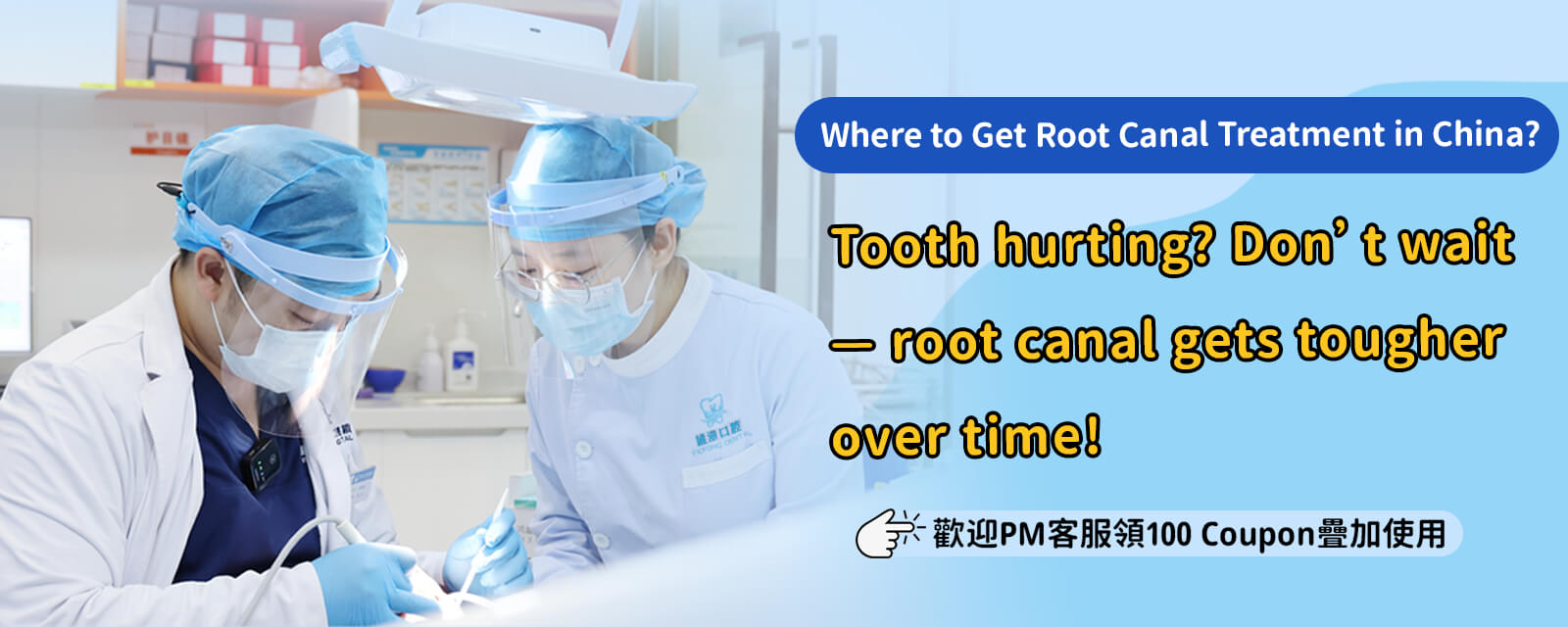
**Is Traveling North for Root Canal Treatment a Wise Choice?**
In Hong Kong, its common to hear friends complain about recurring toothaches, sensitivity while chewing, or sharp pain when drinking cold water. These symptoms often indicate dental inflammation, especially issues concerning the tooth pulp or root. Although Hong Kongs dental system is well-developed, some consider traveling north for root canal treatment as potentially more convenient and effective. This topic certainly piques the interest of many Hong Kong residents.
**What Is Recurring Dental Inflammation?**
Recurring dental inflammation is typically due to bacterial infection within the tooth pulp. Causes may include deep cavities or unresolved trauma from past dental injuries, allowing bacteria to thrive near the tooth root. Initially, you might feel minor discomfort, but this can escalate to persistent pain, potentially affecting your chewing and speech. Relying solely on painkillers and ointments can offer temporary relief but wont address the root issue.
**What Does Root Canal Treatment Involve?**
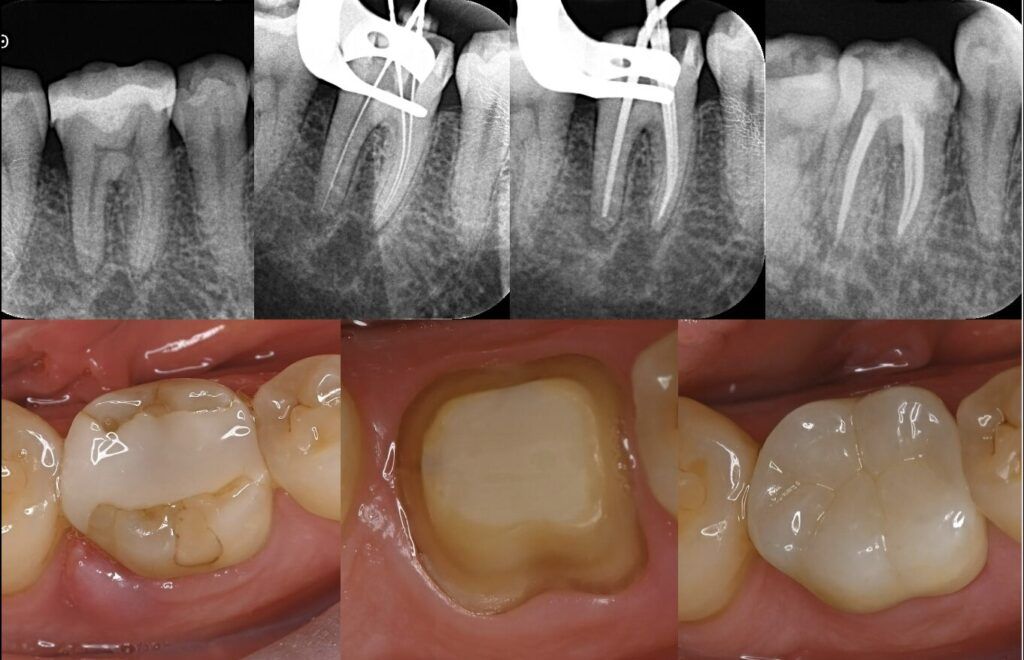
Simply put, root canal treatment involves the dentist removing infected tissue from inside the tooth root, disinfecting the canal, and sealing it to prevent further bacterial invasion. This procedure preserves the natural tooth without extraction. However, its not a one-time fix—it may require multiple visits, depending on the condition and recovery progress of your tooth.
**Why Do Some Consider Going North for Treatment?**
In recent years, more Hong Kong residents have opted to travel north for dental care. Firstly, transportation is convenient; you can reach Shenzhen or Guangzhou in about an hour by high-speed rail. Secondly, northern regions have reportedly improved their medical techniques and facilities. Thirdly, many clinics offer flexible scheduling, allowing immediate preliminary assessments. This option is especially appealing for those who frequently travel to mainland China for work or family visits, making dental arrangements more straightforward.
**Considerations for Norther
n Treatment**
When considering northern root canal treatment, evaluate the dentist’s qualifications and reputation. Dont rely solely on recommendations; its important to research whether the clinic is properly licensed and experienced. Continuity of care is another consideration. Root canal treatment requires follow-up visits, so if youre not regularly traveling north, plan how ongoing care will be managed.
Communication is also crucial. Despite the common language, ensure you understand all professional terms and treatment details to avoid misunderstandings. Additionally, different regions might have slight variations in sterilization standards and procedures, which you should familiarize yourself with for peace of mind.
**Local Treatment vs. Traveling North**
The primary advantage of seeking local dental care is the ease of follow-up, especially for treatments requiring multiple visits. You wont have to worry about the logistics of travel. However, going north might present more choices in terms of technology and scheduling flexibility. Ideally, consult a local dentist first to accurately diagnose your condition, then weigh your time and lifestyle to make the best decision.
**Prevention Is Better Than Cure**
Regardless of your treatment choice, maintaining good dental hygiene is vital. Brush twice daily, use dental floss to clean between teeth, and minimize consumption of overly sweet or hard foods to decrease the risk of dental inflammation. Regular dental check-ups are crucial—dont wait for pain to arise—to ensure early detection and simple intervention before needing extensive treatments like root canals.
To summarize, recurring dental inflammation shouldnt be ignored, and root canal treatment is a viable option for preserving the natural tooth. Whether traveling north for treatment is worthwhile depends significantly on your lifestyle, schedule, and confidence in the medical service. The priority is to seek professional dental diagnosis promptly and not wait until the pain becomes unbearable, ensuring your smile and health are well-protected.
















