









**What Happens If You Ignore a Dental Root Canal Treatment**
In Hong Kong, its common to hear people dismissing toothaches, opting instead to take painkillers for temporary relief. However, a toothache rarely occurs without a reason, and delaying a root canal treatment can have serious consequences. Not only can it affect your eating habits, but it can also impact your overall health.
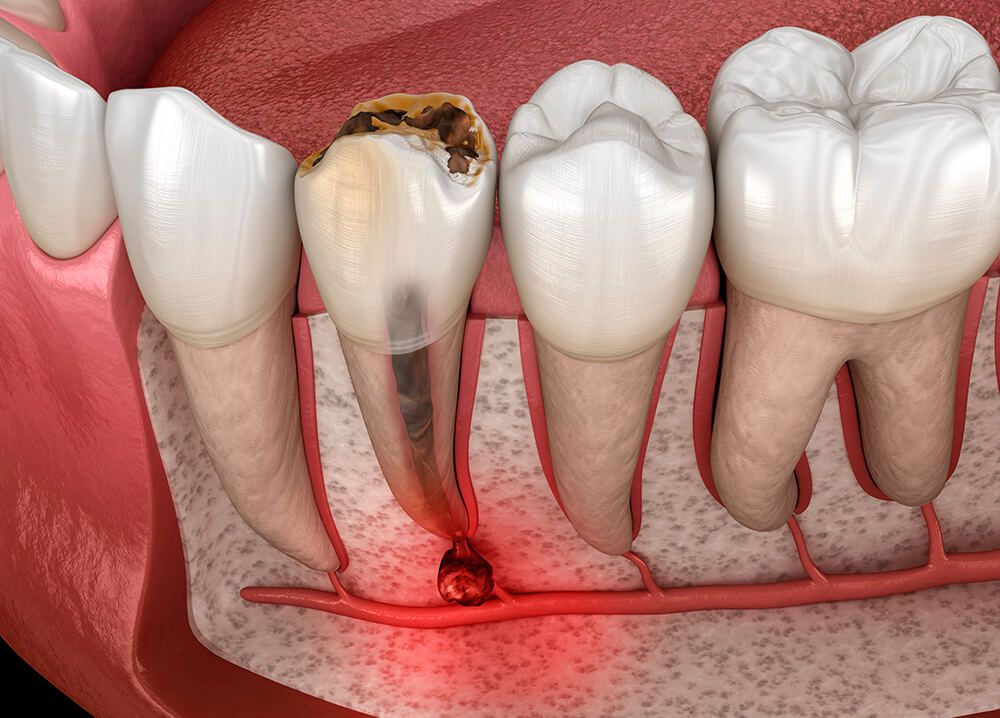
Typically, a toothache is caused by cavities or gum disease. If decay reaches the pulp, the dental nerves become inflamed or even necrotic. At this stage, if you dont proceed with a root canal treatment, bacteria will continue to multiply inside the tooth, spreading from the pulp to the root tip, potentially causing inflammation around the root. In severe cases, this can result in dental abscesses or swelling of the face, which many misconceive as an allergy but is often a severe dental infection.
If left untreated, bacteria could spread through the bloodstream to other parts of the body, leading to infections in the heart, kidneys, or even causing systemic infections. While this may sound exaggerated, there are clinical cases where dental bacteria have led to serious complications. A toothache is a warning signal from your body not to be ignored.
A root canal treatment involves removing the necrotic or infected pulp, cleaning the root canal system with disinfectants, and sealing it to preserve the tooth structure. This can alleviate pain and prevent the need for extraction. Without treatment, the pain will worsen, especially at night, due to increased blood
flow to the head when lying down, which intensifies the throbbing sensation in the tooth.
Some people, fearing pain or inconvenience, resort to home remedies like rinsing with alcohol, applying ice, or even extracting the tooth themselves. However, these methods often only provide temporary relief. Once a dental nerve is dead, it cannot heal on its own. Delaying treatment could result in losing the tooth and facing more complicated procedures with frequent follow-ups.
Toothache also affects appetite, making you reluctant to chew firmly. Long-term reliance on soft or liquid foods can lead to nutritional imbalances and even impaired digestion. It can also impact your work and social life, as discomfort makes speaking and smiling unpleasant, naturally leading to a decline in overall well-being.
Prevention is always better than cure. Regular dental check-ups are essential—don’t wait until you’re in pain to see a dentist. Practicing proper oral hygiene by brushing and flossing daily can reduce plaque and tartar build-up, preventing gum disease and cavities. Remember, toothache isn’t something you should postpone addressing; delay only worsens the condition.
In summary, if toothache is left unchecked without a root canal treatment, you risk losing the tooth and facing additional health risks. Early intervention not only alleviates discomfort but also helps preserve your natural teeth and maintain your ability to bite and smile confidently. The next time you experience a toothache, don’t endure it—seek professional dental advice for peace of mind.
















