








**Differences in Root Canal Treatment Techniques Between Mainland China and Hong Kong**
In recent years, many people from Hong Kong have considered going to the Greater Bay Area for dental treatments, with root canal treatment being one of the most common procedures. Known for addressing infections or inflammation of dental nerves, root canal treatment is a professional procedure that can save a tooth from immediate extraction. However, there are some differences in technique, process, and overall experience between treatments done in Mainland China and Hong Kong.
**1. Diagnosis and Examination Process**
In Hong Kong, dentists typically begin with a visual examination, complemented by oral X-rays to evaluate the condition of the tooth root and surrounding tissues. Some dentists may also use real-time imaging or 3D scans for more accurate diagnostics. Dental clinics in Mainland China also perform X-ray examinations, although different equipment and systems might affect image detail. For instance, some places may use imaging systems focusing on the tooth root and surrounding area, allowing dentists to view multiple teeth at once, whereas Hong Kong dentists might prefer taking multiple images of a single tooth to ensure precision.
**2. Sterilization and Aseptic Procedures**
Root canal treatment demands a highly sterile environment. In Hong Kong, dentists use dental dams to isolate the affected tooth from other areas, preventing saliva or bacterial contamination. Many Mainland dental clinics also utilize dental dams, although other cleaning methods such as enhanced rinsing and saliva suction may be adopted depending on patient condition and dentist preferences. While the effectiveness is similar, the procedural details may vary.
**3. Instruments and Technical Details**
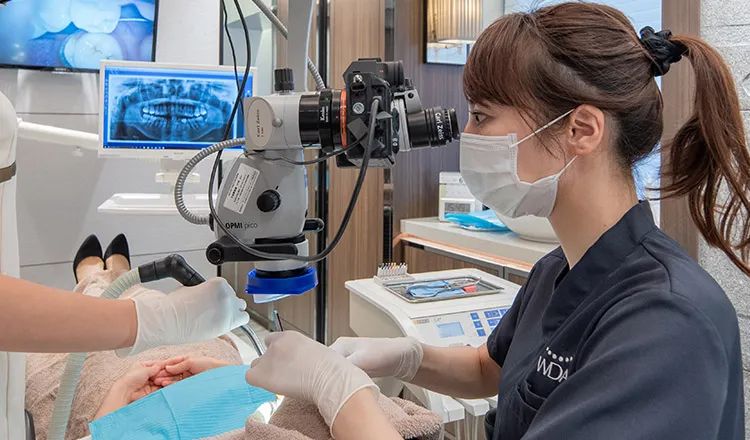
Hong Kong dentists generally use mechanical rotation techniques to clean the root canals, aided by microscopes or magnifiers to ensure thorough cleaning. In Mainland China, while some practices are similar to Hong Kong, there are dentists who might use manual files with rinsing or start with mechanical methods followed by manual adjustments. In terms of technical choices, Hong Kong dentists follow standardized procedures step by step, while some Mainland dentists might adjust procedures flexibly based on their experience.
**4. Duration and Pace**
Root canal treatments in Hong Kong often involve multiple visi
ts to ensure meticulous handling of each component, each visit focusing on cleaning, sterilization, or filling of a specific section. Some Mainland clinics aim to complete most procedures in one visit to minimize patient trips. While completing in one session can be more time-consuming, the comfort level varies among patients.
**5. Medication Rinsing and Filling Materials**
During canal rinsing, Hong Kong dentists use solutions with specific concentrations to ensure a balance of disinfection and safety. The filling materials are typically durable gutta-percha or resin, adhering to international standards. Mainland practitioners also use international-approved materials, but choices may vary based on dentist habits, supplier brands, and clinic standards. Some practitioners might use medication to seal canals temporarily for a few days before final closure; this method is also used in Hong Kong, albeit with stricter control over waiting periods.
**6. Patient Experience and Communication Style**
Hong Kong dental clinics generally have detailed treatment plans and provide written recovery advice, with explanations being professional yet easy to understand. Many Mainland dentists are also direct in their communication, utilizing images or real-time X-ray results for patient clarity, though the verbal style might be more colloquial, requiring adjustment for first-time Hong Kong visitors.
**7. Post-Treatment Care and Follow-up**
After completion, Hong Kong dentists arrange follow-up checks and X-ray comparisons to ensure treatment stability, emphasizing crown restoration to prevent re-infection. Mainland clinics also remind patients to return for regular check-ups, sometimes using mobile reminders. The difference lies mainly in Hong Kong having a more fixed follow-up system, whereas Mainland practices may rely more on patient self-management and response.
**Summary**
Overall, whether considering root canal treatments in Mainland China or Hong Kong, both prioritize effectiveness and safety standards. Nonetheless, some variations exist in equipment, procedural design, pace, and communication methods, requiring patients to choose based on preferences, scheduling, and adaptability to medical environments. Regardless of location, its essential to find qualified and experienced dentists, maintain oral hygiene post-treatment, and perform regular check-ups for long-term dental health.
















