




**How Soon Can You Eat After Going North for a Root Canal Treatment?**
In recent years, many Hong Kong residents have chosen to "head north" to cities like Shenzhen or Guangzhou for dental treatments due to advanced equipment, convenient appointments, and quick procedures. Among the popular treatments is root canal therapy, commonly known as nerve extraction. However, a common question arises after the treatment: "How soon can I eat?" This article provides a detailed guide on post-treatment dining times, precautions, and care tips from a local perspective, ensuring peace of mind upon returning home.
**1. Introduction to Root Canal Treatment**
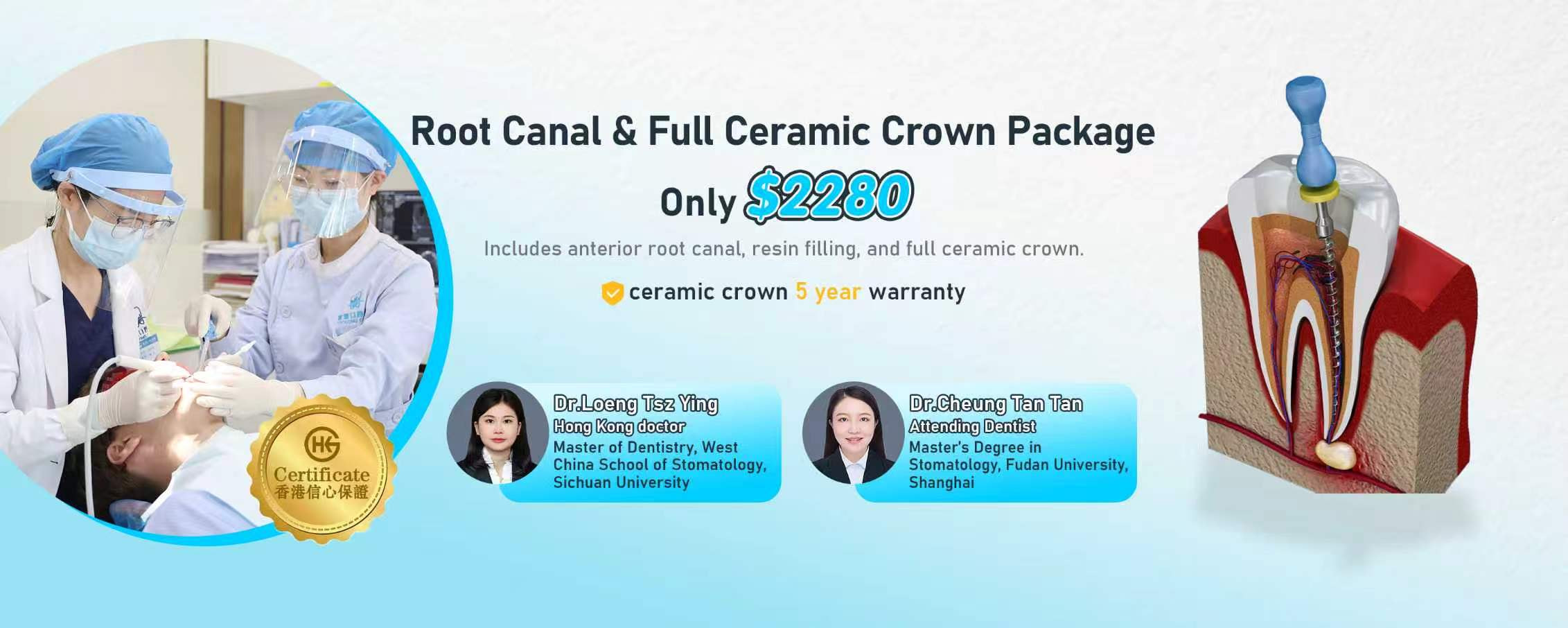
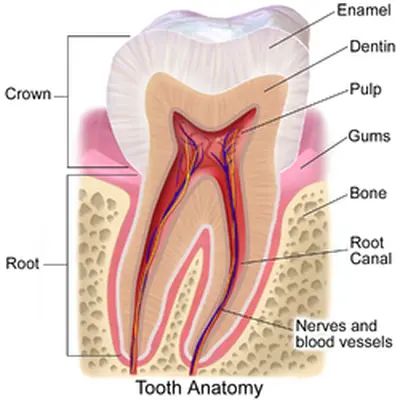
Root canal treatment is typically used to address infected or damaged dental pulp. During the procedure, the dentist removes the necrotic nerve tissue within the tooth, thoroughly cleans the root canal, and seals it to prevent further bacterial invasion. In cities north of Hong Kong, treatment schedules are often concentrated, allowing major steps to be completed in a single trip. However, due to the significant manipulation of the tooth, post-operative care is crucial.
**2. Immediate Post-Treatment Eating Guidelines**
After a root canal, its advisable not to eat until the anesthesia has fully worn off. The reason is simple: anesthesia causes oral numbness, making it easy to accidentally bite your lips, cheeks, or tongue without noticing. Eating prematurely not only poses a risk of injury but may also exert pressure on the treated area, hindering recovery. Generally, anesthesia wears off within one to two hours. Wait until normal sensation returns before considering eating.
**3. Dietary Focus for the First Few Days**
During the first day or two, the treated tooth area may be particularly sensitive. Opt for soft, easy-to-chew foods like porridge, steamed eggs, soft rice, and cooked vegetables. Avoid hard or sticky foods such as nuts, gummy candies, or roasted meats, as hard foods may pressure the tooth, while sticky foods can cling to the tooth surface and complicate cleaning, potentially disrupting temporary seals.
**4. Avoiding Extreme Temperatures**
Immediately after a root canal, the nerves in and around the tooth and gums are still stabilizing, making temperature sensitivity likely. Stick to moderately warm foods and drinks, avoiding very hot
soups or icy beverages. In the initial days, extreme temperatures can heighten sensitivity and irritate the tooth, impeding recovery.
**5. Differentiating Between Temporary and Permanent Seals**
Often, root canal treatments up north are completed in phases, with a temporary seal applied initially and a permanent one placed after several days or weeks. Although temporary seals protect the tooth, their hardness and stability may not match a permanent seal. Therefore, exercise additional caution when eating, using the opposite side of your mouth to chew and avoiding direct pressure on the treated tooth.
**6. Long-Term Care and Eating Habits**
Following a root canal, teeth may be structurally weaker due to the loss of nerve tissue. Even with permanent restoration, avoid regularly consuming hard items. Activities such as chewing ice, biting coffee beans, or opening bottle caps with teeth can increase the risk of tooth fractures. Proper care extends the life of your teeth and reduces the likelihood of needing extensive treatment again.
**7. Pairing Good Eating Habits with Oral Hygiene**
Beyond diet, oral hygiene is equally vital. After root canal treatment, maintain gentle brushing, coupled with flossing or interdental brushes to prevent food residues from accumulating. Some may worry about pain when brushing near the treated area, but gentle movements are safe. A clean oral environment helps prevent bacterial growth, aiding faster recovery.
**8. Timely Follow-Up Appointments**
Regardless of where the dental treatment is performed—north of Hong Kong or locally—post-treatment check-ups are essential. Dentists can assess tooth stability, ensure the seal remains intact, and evaluate for new issues. Even if you feel no pain, professional checks are a vital step in safeguarding dental health.
**Conclusion**
After undergoing a root canal treatment up north, you can safely eat relatively quickly, but ensure the anesthesia has fully worn off before doing so. Opt for soft, well-tempered foods in the initial days to avoid stimulating or pressuring the tooth. Subsequently, maintain good eating and cleaning habits and schedule regular follow-ups to ensure long-lasting treatment results. Remember, teeth do not have replacement parts; protecting treatment outcomes directly benefits your quality of life.
















