








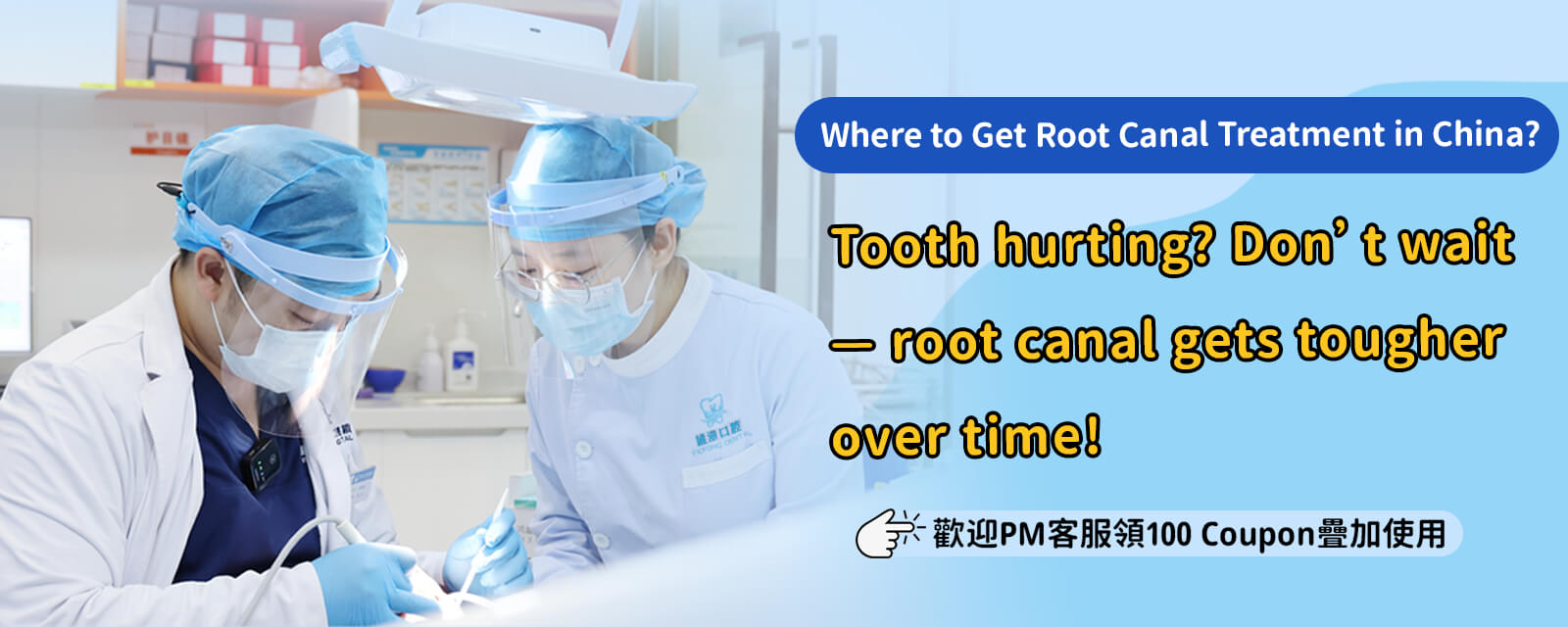
Title: Managing Recurrent Toothache: Is Cross-Border Root Canal Treatment a Viable Option?
Many people have experienced the discomfort of a toothache, especially the kind that keeps you up all night, leading to a perpetually pained expression. Toothaches can arise from various causes, such as cavities or gum inflammation. However, if the pain fluctuates and recurs over time, it might be a sign of a problem with the dental nerves, necessitating a root canal treatment.
In recent years, its become quite common for Hong Kong residents to seek dental care in Mainland China. People do so for various reasons: recommendations from friends, more modern dental equipment, or simply the convenience of combining dental visits with travel. However, when dealing with recurrent toothache and considering a "root canal treatment," one might wonder: Is it feasible to undergo this treatment across the border?
**Causes of Recurrent Toothache**
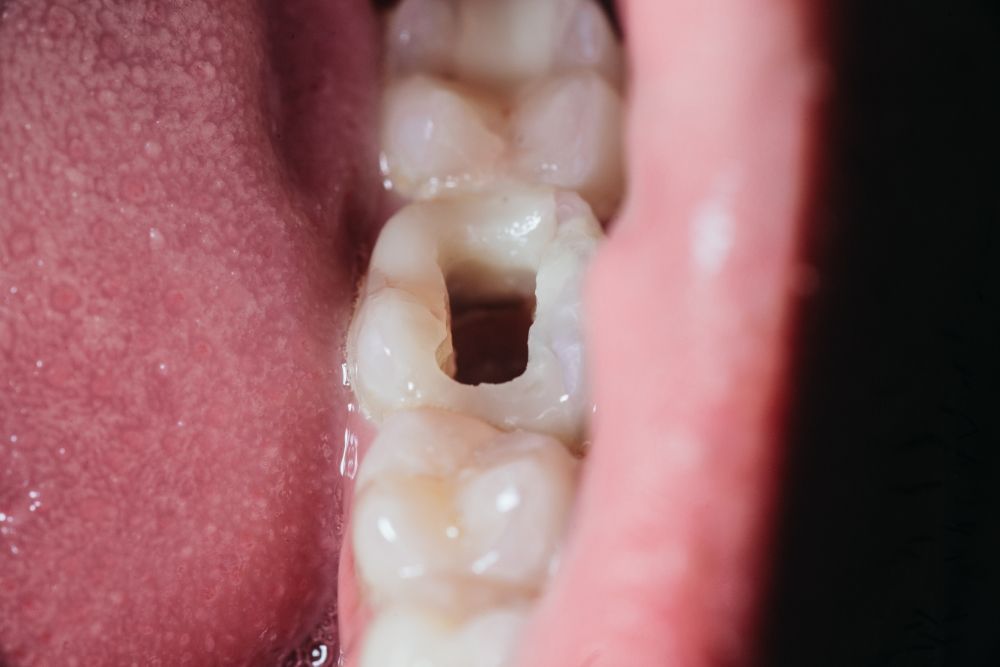
Many assume that toothaches stem solely from surface cavities, but often the pain originates from within the tooths pulp, which contains nerves and blood vessels. Bacterial infection in the pulp can lead to swelling and pain, potentially spreading to the tooth root. While painkillers may temporarily alleviate discomfort, they dont address the underlying issue. A root canal treatment aims to resolve this by removing infected pulp, disinfecting the area, and sealing the root to prevent further bacterial invasion.
**Considerations for Cross-Border Root Canal Treatment**
Seeking dental care across the border isnt inherently problematic, but root canal treatments typically require multiple visits and periodic check-ups. If opting for treatment in Mainland China, consider the following factors:
1. **Scheduling Visits**
Ensure you can consistently attend follow-up appointments without missing sessions. Interrupting the treatment could risk lingering infection or aggravation.
2. **Communication with the Dentist**
Prior to treatment, thoroughly discuss your medical history and previous dental procedures with your dentist to tailor the most suitable plan. Language differenc
es might present challenges; while Mandarin is commonly understood, ensure clarity on all professional terms to prevent misunderstandings.
3. **Equipment and Hygiene Standards**
Root canal procedures demand precision instruments and stringent sterilization processes. Equipment quality can vary between clinics. Choose a clinic known for its good reputation and hygiene assurance to feel secure during treatment.
4. **Post-Treatment Care**
After the procedure, the tooth may require a crown or filling to ensure it doesnt crack due to insufficient protection. Consider whether returning for such follow-ups is convenient, or if youd prefer to complete these in Hong Kong.
**Daily Care Practices**
Whether receiving root canal treatment in Hong Kong or across the border, maintaining oral health is crucial to preventing recurrent toothaches. Practice good oral hygiene by brushing at least twice daily and using floss to remove food particles from between teeth. Reduce sugary foods, especially before bedtime, and schedule regular dental check-ups for early detection of potential issues.
**Advantages and Potential Challenges of Cross-Border Treatment**
Cross-border dental visits offer diverse clinic options, sometimes with cutting-edge equipment, and the added benefit of combining treatment with travel. However, due to the need for multiple follow-ups for root canal treatments, cross-border travel and scheduling can extend the treatment duration. For those who primarily work in Hong Kong and are not accustomed to frequent cross-border travel, this may become cumbersome.
**Conclusion**
Recurrent toothaches are not trivial; delaying treatment could exacerbate the condition. Root canal treatment effectively preserves the tooth, but whether you choose Hong Kong or cross-border care, consider factors such as time, travel, doctor-patient communication, and hygiene standards to ensure a seamless treatment process. Remember, dental care doesnt end with treatment; ongoing care is key to long-term oral health. This approach will help you truly say goodbye to toothaches and enjoy a confident, pain-free smile.
















