







**Impact of Root Canal Treatment on Long-term Dental Health**
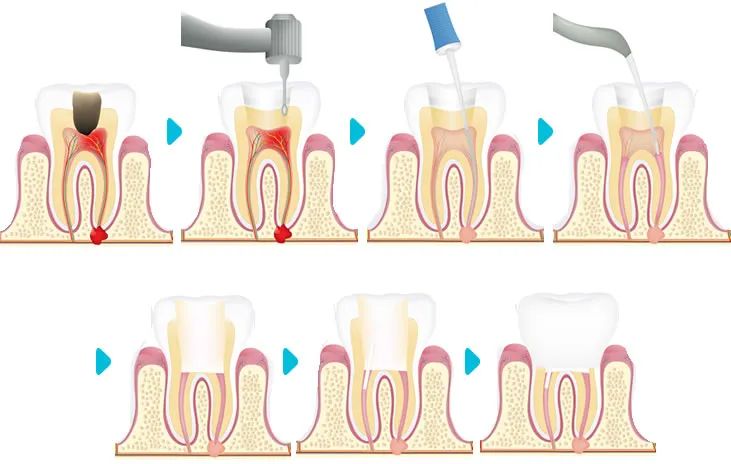
In Hong Kong, many people have likely heard of "root canal treatment," commonly known as "du ya geng" in Cantonese. This procedure involves cleaning and sealing the root canals to address inflammation or necrosis of the dental pulp. Often, this treatment can save a tooth that would otherwise need extraction. However, a common concern is the impact of root canal treatment on future dental health.
Firstly, one of the biggest advantages of root canal treatment is that it allows you to retain your natural tooth. Compared to dentures or implants, natural teeth usually provide better chewing efficiency and comfort. Keeping your tooth can also reduce additional strain on neighboring teeth, maintaining overall oral structure stability. However, its important to note that since the tooth no longer receives nutrients from the pulp and might be structurally compromised due to decay or trauma, extra care is required post-treatment.
Secondly, following a root canal, dentists typically recommend placing a crown to reinforce the tooth. This step is crucial because a tooth without pulp support is more prone to fracture, especially molars that endure significant biting forces. Without adequate reinforcement, the tooth may sustain severe damage over time, potentially making preservation impossible.
Additionally, sensitivity changes in a root canal-treated tooth. Since the nerve inside the pulp is removed, the tooth will not react to hot or cold stimuli, but it still isnt completely devoid of sensation. While chewing, pressure can still be felt, just without the pain signals. This change makes it harder for patients to detect cracks or other issues, emphasizing the importance of regular dental check-ups.
Oral hygiene requirements also play a role in post-treatment care. Some people may mistakenly relax their oral hygiene habits because the tooth no longer hurts, but this is incorre
ct. The outer layer of a root canal-treated tooth remains vulnerable to periodontal disease and cavities. Poor brushing and flossing habits can lead to gum and bone damage around the tooth.
Moreover, root canal treatment does not guarantee permanent immunity for the tooth. Although success rates are high, new bacterial infections or poorly sealed crowns can lead to reinfection, known as "recurrent root canal infection." Therefore, regular follow-up visits are crucial, allowing dentists to use X-rays to monitor the condition of the root and surrounding bone, catching potential problems early.
From a long-term health perspective, root canal-treated teeth can have longevity issues. However, with proper management, they can last many years, even decades. Key practices include:
1. **Reinforcement:** Use crowns to strengthen the tooth structure and reduce fracture risk.
2. **Maintain Hygiene:** Brush twice daily and use floss or interdental brushes to minimize plaque buildup.
3. **Monitor Diet:** Avoid extremely hard or sticky foods, and try not to place excessive force on root canal-treated teeth during biting.
4. **Regular Check-ups:** Visit the dentist regularly for examinations to detect and address any issues early.
In summary, root canal treatment is an effective way to preserve your tooth, positively impacting your dental health by avoiding premature extraction and sustaining chewing function and appearance. However, post-treatment, the tooth may become more fragile, increasing the need for meticulous cleaning and protection. By following your dentists recommendations and maintaining good oral hygiene, your root canal-treated tooth can remain a healthy part of your mouth, allowing you to enjoy eating comfortably.
At any age, teeth are vital companions in life. To ensure they stay with you longer, cherish and care for them. Remember, root canal treatment is just the first step; ongoing maintenance is the key to dental health.
















