




**Safe Northward Root Canal Treatment: What to Expect**
In recent years, many Hongkongers have opted to travel north to receive dental treatments, particularly root canal therapy (also known colloquially as "root repair"). They seek more choices and a chance to experience services in different places. However, before making the trip, there is a common concern: how safe is root canal treatment when traveling north? Today, we’ll explore this topic from a practical standpoint.
**What is Root Canal Treatment?**
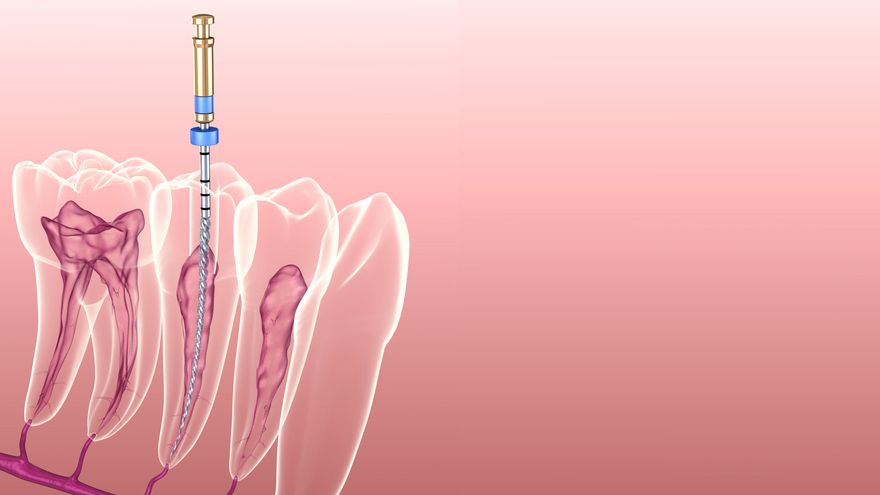
Simply put, when the dental nerve inside a tooth gets inflamed or damaged due to cavities or bacterial infections, dentists use specialized tools to clean out the damaged tissue, disinfect the area, and seal it properly. This allows the tooth to remain functional without immediate removal. This procedure is intricate and demands high standards because it involves the structure inside the tooth, making hygiene and technique crucial.
**Environmental Factors of Northern Clinics**
Recently, dental clinics in many Greater Bay Area cities have upgraded their equipment, utilizing instant imaging, microscope assistance, and disposable sterilization tools. These hardware advancements are a big plus for safety. Additionally, some dentists have received international or local professional training, offering relatively stable professional standards. However, there can be variations in the quality between different clinics, so its essential to do your research beforehand by checking online reviews, considering recommendations from friends, or looking into their background information.
**The Importance of Sterilization and Hygiene**
Root canal treatment involves opening the tooth and interacting with the dental nerve, making sterilization a crucial step to prevent infections. Before heading north, check if the clinic uses disposable tools and assess the cleanliness of the treatment environment. See whether medical staff consistently wear gloves, masks, and eye protection. These details, although seemingly simple, have a significant impact on safety.
**Communication with Doctors and Treatment Plans**
When traveling to different locations for treatment, Hongkongers may worry about language barriers or communication gap
s. Fortunately, many dentists in major cities can accommodate patients using Mandarin, some Cantonese, and even basic English. However, before undergoing root canal treatment, its vital to have enough communication with the doctor, understand each step, how many sessions are needed, potential complications, and post-operative care. Clear communication inherently raises the sense of security.
**Post-Treatment Care and Follow-Up**
Root canal treatment isn’t accomplished in one session; it usually requires multiple visits for cleaning and sealing, followed by putting on a protective crown. If receiving treatment in the north, plan your follow-up arrangements carefully — is it convenient to revisit for check-ups, or should you opt for follow-up care with a local dentist? Post-treatment care shouldnt be overlooked, such as avoiding using the treated tooth to bite hard objects and ensuring regular check-ups. Proper long-term dental care helps maintain the treatment results.
**Enhancing Treatment Safety**
1. **Research Ahead**: Verify clinic qualifications, dentist backgrounds, treatment facilities, and sterilization procedures.
2. **Onsite Inspection**: Before your appointment, request to check the clinic space or tool sterilization area.
3. **Patient Feedback**: Refer to other patients’ experiences, but avoid blindly following trends.
4. **Prepare Medical Records**: Bring dental X-rays or past medical records to help the dentist make accurate assessments.
5. **Maintain Communication**: Immediately address any discomfort or doubts without delay.
**Conclusion**
When opting for root canal treatment in the north, overall safety hinges on the dentist’s professional level, clinic facilities, sterilization measures, and post-treatment follow-up. With good preparation, selecting a reliable location, and maintaining effective communication with the dentist, the safety of treatment can likely be comparable to local standards. Nonetheless, individual circumstances vary, so assess your time, physical condition, and level of trust to make the best decision. Remember, dental health is a long-term investment; don’t wait until the pain is unbearable to seek treatment. Regular check-ups are the best way to prevent problems.
















