




**Is Traveling to Mainland China for Root Canal Therapy Suitable for Seniors?**
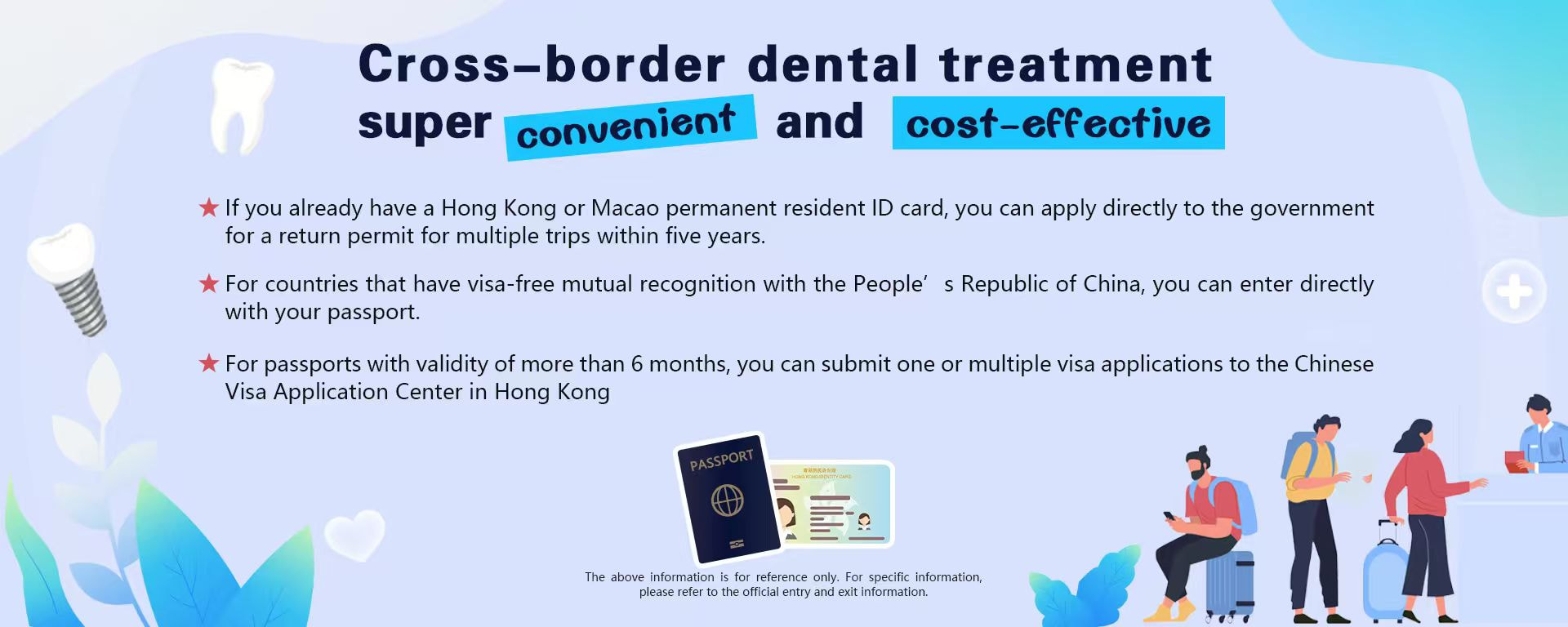
In recent years, many people in Hong Kong have considered "crossing the border for dental care," particularly for root canal treatments in Mainland China. The appeal lies in the advanced technology, a wide array of service options, and the possibility to combine it with other medical check-ups and treatments. However, for seniors considering root canals, is it better to have the procedure done in Hong Kong, or is traveling north the right choice? This decision largely depends on the individuals health status, personal circumstances, and lifestyle, so a one-size-fits-all answer is insufficient.
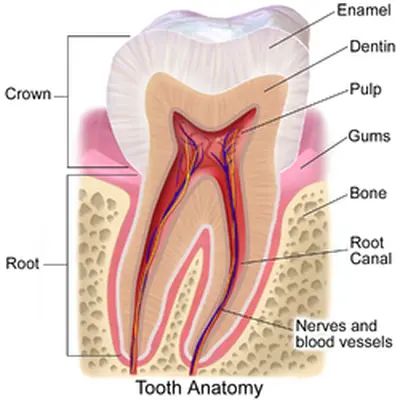
First, its important to understand that root canal therapy is a dental procedure aimed at treating pulp infections or severe gum issues. Dental health is crucial for seniors as weak, painful, or missing teeth can affect appetite, nutrition absorption, and even speech and social interactions. One of the primary attractions of seeking treatment in Mainland China is the variety of options available—not only from large hospitals but also from various dental clinics equipped with modern technology and efficient processes, which suit those looking to complete treatment quickly.
Nevertheless, seniors must consider more than just medical facilities. Traveling for treatment requires careful planning of transportation and assessing the physical toll. Root canal therapy often necessitates multiple follow-up visits. If the dentist recommends a phased approach, seniors will need to plan their trips accordingly. Long journeys by car, train, or bus may be taxing for those with mobility issues, and especially challenging for seniors with chronic conditions like heart disease or diabetes. Its crucial that the entire journey is physically manageable.
Communication is another key concern. Although both regions use Chinese, there might be slight differences in professional terms or medical practices. Seniors should ensure they fully understand the dentists recommendations to avoid misunderstandings during treatment. Having a family member accompany them can be beneficial to record medical advice, oversee follow-up appointments, and tackle logistics like travel and accommodation arrangements promptly.
Hygiene and sterilization standards are critic
al too. While many dental clinics in Mainland China adhere to international hygiene standards, seniors or their family members should inquire about disinfection procedures, instrument brands, and usage methods ahead of time. If specific care needs arise, such as requiring a gentler anesthetic method, its essential to communicate this clearly with the dentist in advance.
Post-treatment care is vital for seniors undergoing root canal therapy. Theres a common misconception that once the root canal is completed, theres nothing further to worry about. In reality, teeth need time to adapt, and the surrounding gums and bones require a recovery period. For those treated across the border, having dental follow-up in Hong Kong is necessary to ensure the stability of the dental condition. If frequent cross-border travel isn’t convenient, it’s advisable to find a Hong Kong dentist for long-term monitoring.
Beyond medical factors, a senior’s willingness to travel also plays a role. Some elders may view a trip north as a refreshing change of environment, providing an opportunity to explore and enjoy local cuisines post-treatment, possibly enhancing their recovery due to improved mood. Conversely, others may prefer the familiarity and convenience of local treatments, avoiding the rigors of travel. Ultimately, the decision should honor the seniors preferences.
In summary, pursuing root canal therapy in Mainland China offers both advantages and challenges for seniors. Benefits include a wide selection of services, modern equipment, and diverse care options, while challenges encompass transportation, follow-up scheduling, physical stamina, and long-term dental management. Its advisable for family members to have an in-depth discussion with the senior, evaluate health conditions and feasibility, and then make an informed decision. If the senior is generally healthy, enjoys traveling, and has familial support, cross-border dental care could be a viable option. However, for those with limited mobility or higher health risks, local treatment might offer greater peace of mind.
Ultimately, regardless of where the treatment is performed, the priority should be regular dental check-ups and maintaining excellent oral hygiene to minimize future major dental treatments, ensuring seniors enjoy a healthy and comfortable life.
















