








**When Should You Opt for Root Canal Treatment for Toothache?**
Toothaches can be quite troubling, often leading to fatigue, irritability, and sleepless nights. Many individuals resort to over-the-counter pain relief or mouthwash, hoping the discomfort will fade. However, toothache often serves as a warning sign of underlying dental health issues. If the pain persists or disrupts daily life, it might be time to consider a "root canal treatment."
### Dont Underestimate the Causes of Toothache
There are various reasons for toothache, with common ones being cavities, pulpitis, periodontal disease, and impacted wisdom teeth. Initially, cavities may only cause sensitivity to temperature but ignoring them allows decay to reach the pulp, resulting in persistent and severe pain. Once inflammation or necrosis occurs within the dental pulp – rich with nerves and blood vessels – pain will not simply go away. In such cases, regular fillings are insufficient, and a root canal may be necessary.
### When to Consider Root Canal Treatment?
In Hong Kong, dental practitioners typically assess your suitability for root canal treatment based on examinations and X-rays. You are likely to need it if you experience:
1. **Persistent Toothache**: Pain lasting several days up to a week, with temporary relief only from painkillers.
2. **Pain During Biting**: Noticeable pain while chewing or discomfort when the tooth is subjected to pressure.
3. **Tooth Discoloration**: Grey or black discoloration might signal pulp necrosis.
4. **Swollen Gums or Abscess**: Presence of pus near the gums indicates an infection within the tooth.
Often, patients delay seeing a dentist until the pain is unbearable. Addressing the issue at the onset of symptoms can expedite treatment and increase the likelihood of preserving the tooth.
### What Is Root Canal Treatment?
Root canal treatment involves removing infected nerves and blood vessels from within the pulp, followed by se
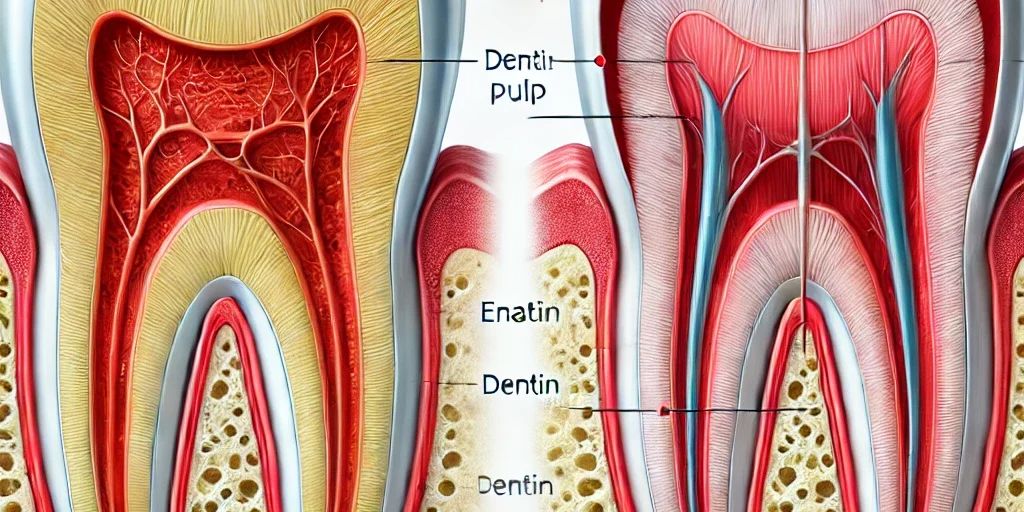
aling the canal to prevent further bacterial invasion. Essentially, its like replacing the "internal components" of a tooth. The procedure typically includes anesthesia, drilling, cleaning and disinfecting the root canal, and filling it with material. Post-treatment, the tooth is devoid of nerves, thus impervious to external stimuli, but remains functional for chewing.
### Why Not Delay Treatment?
Some people delay due to fear of pain or time commitment. However, dental infections will not resolve independently and may spread to surrounding bones, affecting overall health. Root canal treatment not only salvages the tooth but also halts infection progression. Prolonged delays increase the risk of losing the tooth entirely, impacting both chewing ability and appearance.
### Post-Treatment Care for Root Canal
After a root canal, dentists often recommend a crown to protect the fragile tooth and minimize fracture risk. Maintaining excellent oral hygiene is crucial, with brushing at least twice a day and using dental floss to clean between teeth. Regular dental check-ups and cleanings help ensure no new issues arise. While a root canal provides relief, ongoing care for other teeth is necessary.
### Prevention Is Better Than Cure
Although root canal treatment can save a tooth, it is preferable to avoid reaching this stage. Be mindful of your diet, limit sugary foods such as soft drinks and candies, and ensure proper oral hygiene practices like brushing after consuming sweets. Regular dental check-ups reduce the likelihood of toothache.
### Conclusion
Toothache is not trivial; enduring it merely delays problem resolution. If pain affects eating, sleeping, or mood, visiting a dentist promptly can prevent tooth decay from worsening. Root canal treatment effectively conserves teeth but maintaining dental pulp health through routine care is ideal. Remember, tooth health requires proactive attention—dont wait for severe pain to seek help.
















