





Should You Consider Going to Mainland China for Root Canal Treatment?
In recent years, an increasing number of Hong Kong residents have been exploring dental treatment options in Mainland China, with root canal procedures being a particularly popular choice. Friends often share stories of affordable and quick dental services in cities like Shenzhen, Guangzhou, and beyond, with the technology reportedly on par with Hong Kongs standards. This naturally leads to the question: Is it a hassle to travel north for a root canal?
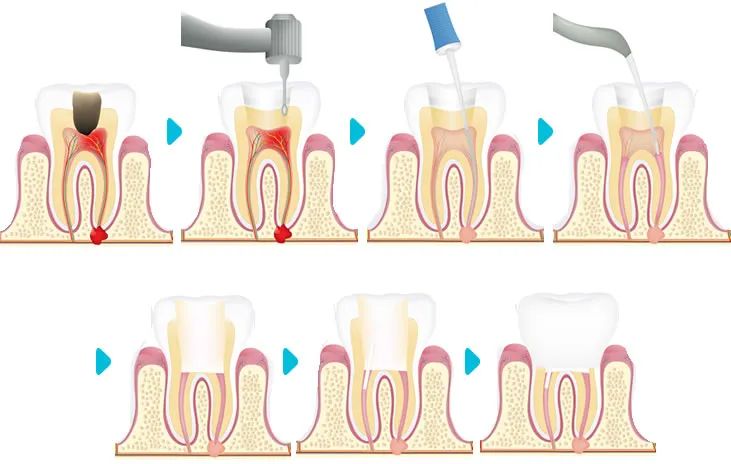
Root canal treatment is a complex dental procedure involving the cleaning, disinfecting, and sealing of tooth canals, aimed at preserving the tooths longevity and functionality. This requires skilled dentists and appropriate equipment, whether in Hong Kong or in Mainland China, for optimal outcomes.
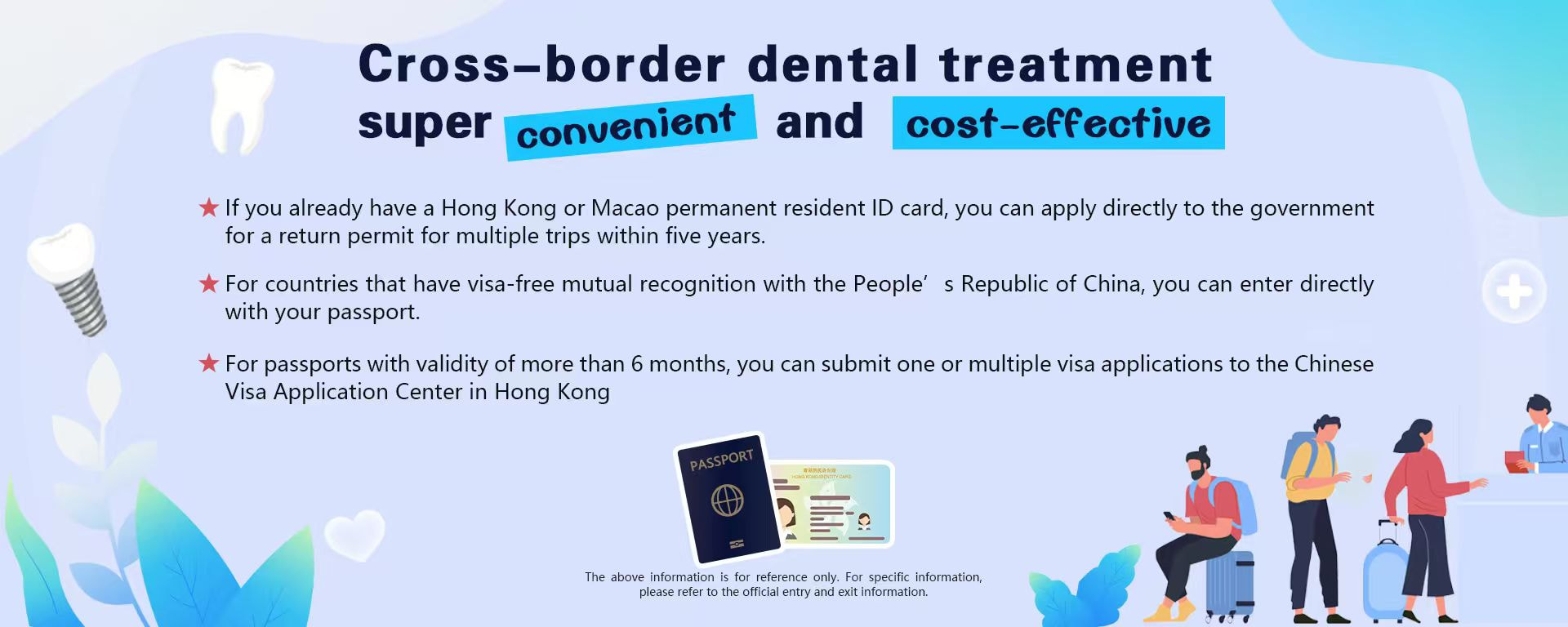
For those living in Hong Kong, the primary considerations when traveling north for a root canal are transportation and scheduling. Although crossing the border is much easier now, with high-speed trains, subways, and buses swiftly reaching Shenzhen and other cities, root canal treatment typically requires multiple visits. If you choose treatment in Mainland China, you should be prepared for follow-up visits, which means arranging cross-border trips, taking time off, or adjusting work schedules.
Some people also worry about language and communication. While most dentists speak Mandarin, and some even Cantonese, medical terminology and expressions might differ. If youre particular about understanding every step of the procedure and want to ask detailed questions, its crucial to ensure clear communication with your dentist.
There’s also the possibility of unexpected situations during treatment, such as a more complicated tooth condition or additional pain management requirements. The advantage of receiving treatment in Hong Kong is the immediate accessibility to follow-up care. In contrast, a return trip across the border may be needed if treated in Mainland China, which could be incon
venient, especially for those not living close to the Shenzhen border.
On the flip side, there are appealing aspects to seeking treatment in China. Some see it as an opportunity for a mini vacation, combining dental visits with dining and shopping. Many modern dental clinics in China boast advanced equipment and pleasant environments that make the treatment process more comfortable. Additionally, Chinese dentists might offer a wider variety of materials and techniques, providing patients with more options and potentially pleasant surprises.
Deciding whether to have root canal treatment in Hong Kong or Mainland China depends largely on your personal schedule and priorities. If you have a busy work life, difficulty taking leave, or live far from the border, the additional travel and time might not be worth it. However, if you frequently travel to the Mainland for family visits or work, or live nearby, the multiple visits might not be as bothersome.
Another point to consider is follow-up care after the treatment is completed. While a finished root canal may appear trouble-free, periodic check-ups and maintenance are important for long-term oral health. For those who had their treatment in Mainland China, returning for follow-up appointments could pose a cross-border challenge that needs to be assessed.
In summary, traveling north for a root canal has its appeal, but whether it’s worth the hassle depends on your lifestyle and priorities. If transportation, time off, and follow-up visits arent an issue for you, and youre keen to experience different dental technologies, going north could be worthwhile. However, if convenience and quick access to immediate care are your top priorities, staying in Hong Kong might better suit your needs.
Regardless of your choice, always ensure you select a qualified and reputable dentist and clearly understand the procedure and potential risks beforehand. Root canals are more than just a single treatment—theyre an important investment in your smile and chewing ability.
















