






**Will Root Canal Treatment in Mainland China Affect Tooth Alignment Stability?**
In recent years, many Hong Kong residents have considered traveling north to cities like Shenzhen and Guangzhou for dental care. The appeal lies in the flexible scheduling, variety of options, and the convenience of addressing dental issues while on a trip or business excursion. Among popular dental procedures, root canal treatment is frequently performed to tackle inflamed, necrotic, or infected dental pulp. However, some worry about whether root canal treatment might destabilize tooth alignment or even cause shifting.
**What is Root Canal Treatment?**
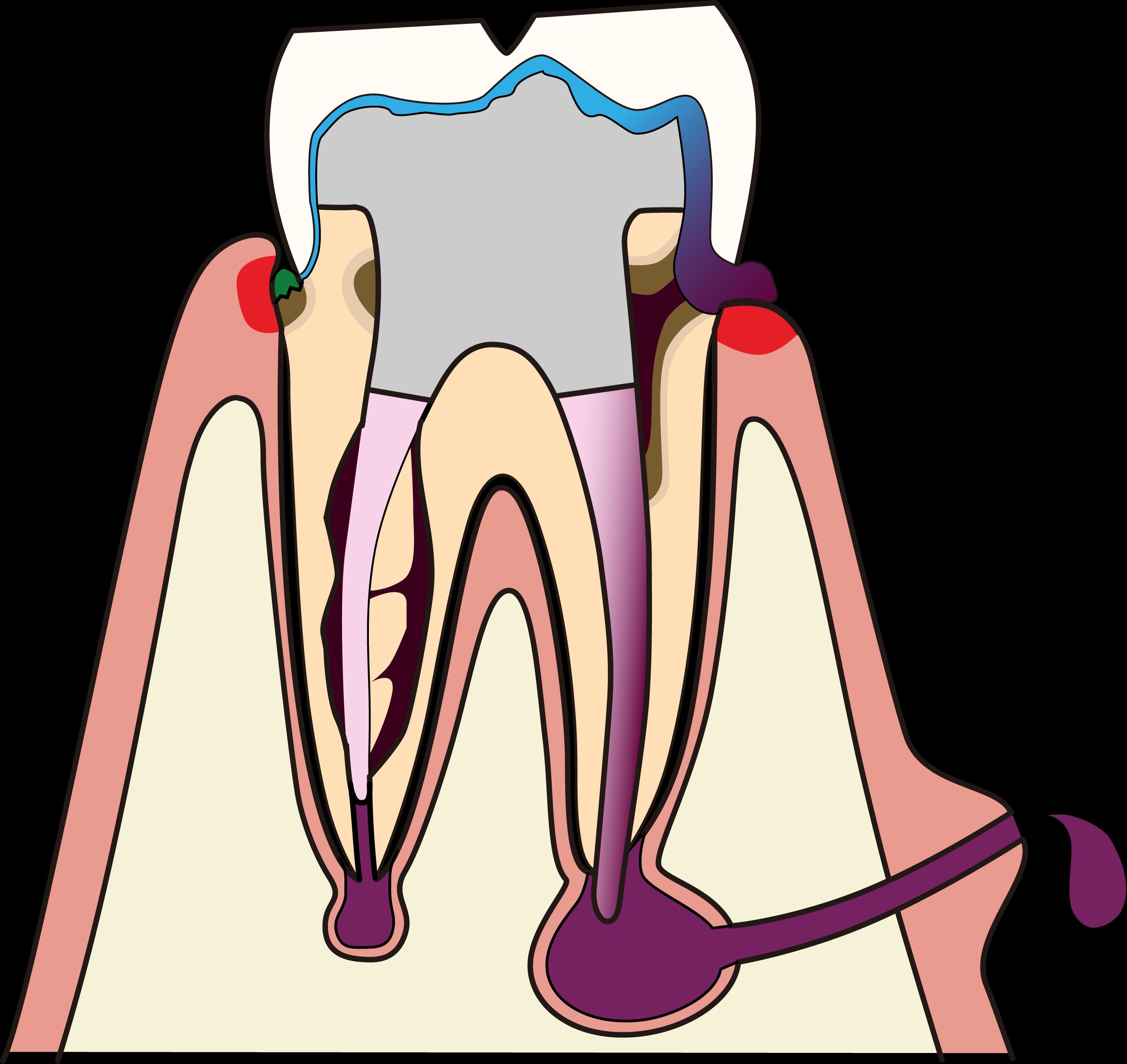
In simple terms, root canal treatment involves the dentist removing diseased pulp from within the tooth, cleaning and disinfecting the root canal, and then sealing it with filling material. This procedure preserves the original tooth, avoiding immediate extraction. Its highly effective for cases where decay has reached the root, causing pain that interferes with eating and sleeping.
**The Relationship Between Root Canal Treatment and Tooth Alignment**
By itself, root canal treatment does not directly cause tooth movement or influence alignment stability. It primarily addresses internal tooth issues, not external position changes. Still, prior conditions such as decay, cracks, or uneven biting may have caused minor shifts in tooth position. These might not be due to the treatment itself but become more noticeable post-procedure.
Moreover, after root canal treatment, a dental crown is usually recommended to protect the tooth, preventing uneven force during biting which could cause cracks. If the crown isn’t precisely designed or if the bite adjustment is inadequate, neighboring teeth may experience abnormal pressure. Over time, this can lead to slight tooth movement.
**Considerations for Treatment in Mainland China**
Choosing dental care in Mainland China should be approached similarly to Hong Kong: seek qual
ified, reputable dentists. Particularly for root canal treatments, the expertise in technique, sterilization, and bite adjustment is crucial. Before treatment, discuss details with the dentist, such as:
- Current tooth condition and any bite issues
- Post-treatment recommendations for crowns
- Need for regular follow-up examinations
Since teeth and gums function as a system, any alterations might affect bite and alignment. Thus, selecting an experienced dentist capable of providing comprehensive follow-up services is vital.
**Methods to Maintain Tooth Alignment Stability**
Regardless of where you undergo root canal treatment, maintaining stable tooth alignment hinges on daily care:
1. **Regular Check-ups**: Visit your dentist every six months to detect early changes in bite or alignment.
2. **Good Oral Hygiene**: Brush and floss regularly, and use mouthwash to minimize infection risks to your teeth and gums.
3. **Avoid Biting Hard Objects**: Post-treatment teeth have a somewhat weaker structure, making them prone to damage from bones or ice cubes.
4. **Monitor Crown Condition**: If your crown feels loose or the bite is uncomfortable, consult your dentist for adjustments.
**Psychological Preparedness and Transparency**
Many people worry about post-procedure complications. Understanding the process, potential impacts, and ways to minimize risks beforehand can help ease concerns. Traveling north for treatment offers more options for comparison, but prioritize expertise and professional follow-up services over convenience.
**Conclusion**
Root canal treatment itself does not directly destabilize tooth alignment, but pre-existing tooth conditions, crown design, bite adjustment, and ongoing care are critical factors. Whether in Hong Kong or Mainland China, ensure you consult reputable and experienced dentists, adhere to follow-up appointments, and maintain good oral hygiene to keep your teeth well-aligned, supporting confident eating and smiling.
















