




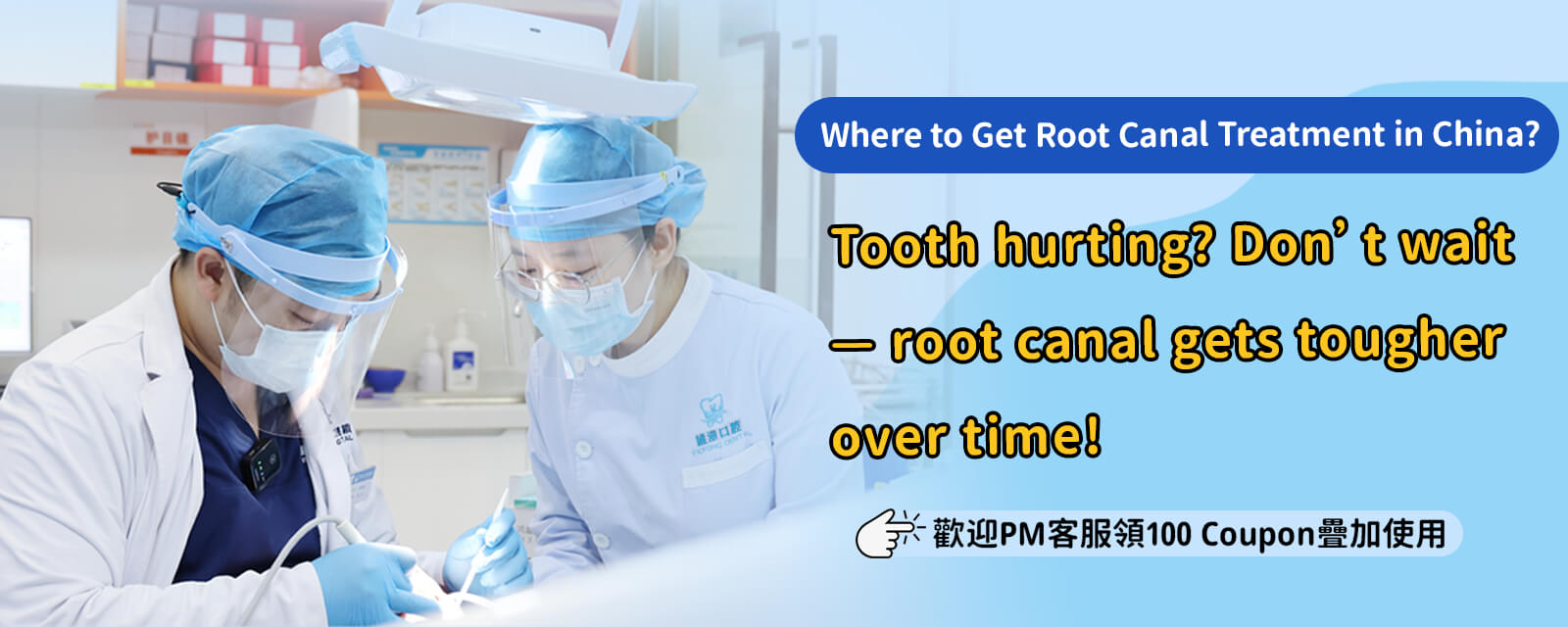
**Do You Need Antibiotics After Root Canal Therapy Across the Border?**
In recent years, more Hong Kong residents are opting to travel north for dental treatments, particularly for procedures like root canal therapy, due to its affordability and decent quality. However, a common question that arises post-treatment is: "Do I need to take antibiotics after a root canal?" The answer isnt straightforward and largely depends on factors such as the condition of the tooth, the complexity of the procedure, and the dentists recommendation. Lets explore how to determine if antibiotics are necessary and how to ensure optimal recovery.
**1. Understanding the Nature of Root Canal Therapy**
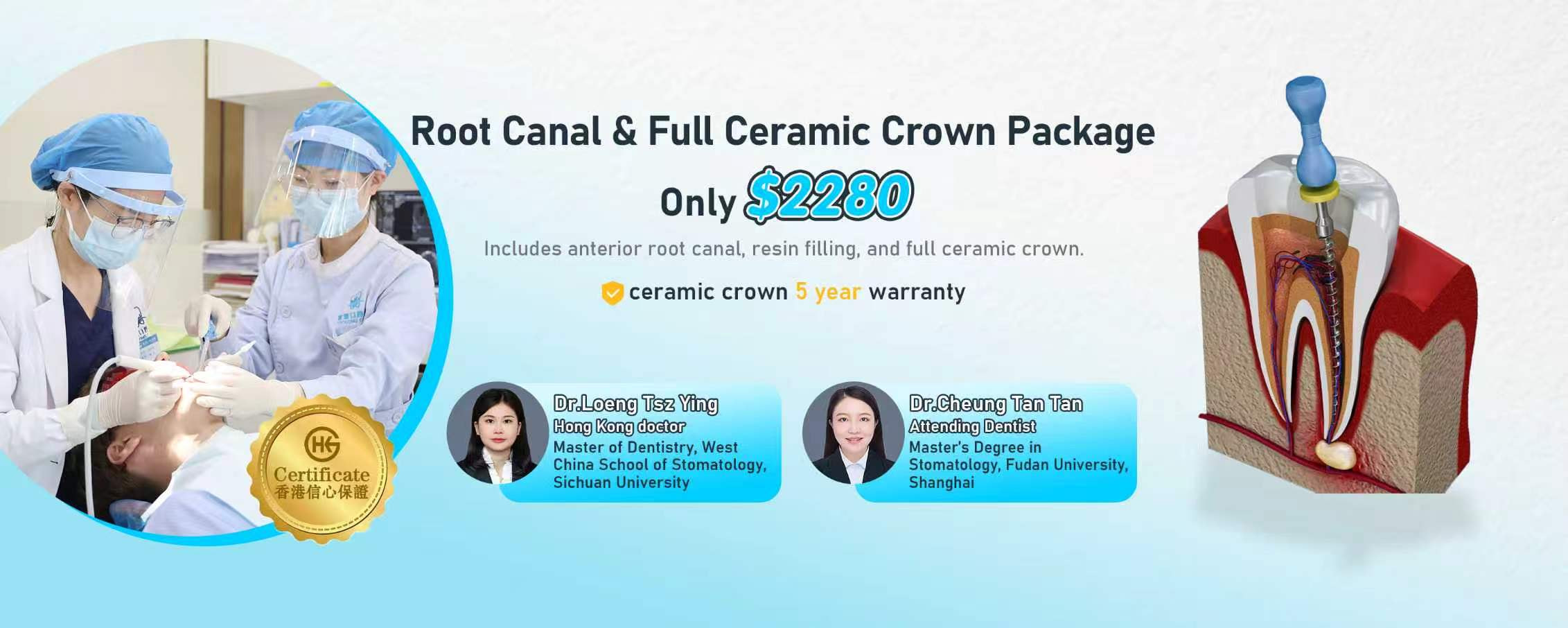
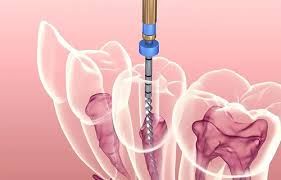
Root canal therapy primarily addresses inflammation or infection within the dental pulp. During the procedure, the dentist removes the infected pulp tissue, thoroughly cleans the inside of the tooth, and seals it to prevent future bacterial invasion. Although not a major surgery, the nature of the treatment involves opening the tooth, which can lead to mild soreness or swelling post-procedure.
**2. Why Dentists Sometimes Prescribe Antibiotics**
Theres a common misconception that antibiotics are mandatory after a root canal. In reality, they are not necessary for everyone. Generally, if significant infection or noticeable abscess and swelling were present before the procedure, the dentist might recommend antibiotics to manage the infection. Antibiotics can also help reduce swelling and alleviate pain, facilitating a smoother recovery process.
Conversely, if your condition was mild, and the dentist effectively cleaned the area with no signs of redness or pain, maintaining good oral hygiene might suffice without medication. Its essential to follow your dentist’s advice rather than self-prescribing medication.
**3. Risks of Self-Medicating with Antibiotics**
Many in Hong Kong have the habit of thinking its safer to "take antibiotics just in case," but unnecessary use can lead to adverse side effects. Overusing antibiotics may result in antibiotic resistance, diminishing their effectiveness when genuinely required for future infections. Furthermore, improper dosage could cause stomach irritation or other discomforts. Always trust a professional dentist to prescribe and evaluate medications as part of medical treatment.
**4. Essential Care Post-Treatment**
Regardless of whether antibiotics are pr
escribed, post-operative care is crucial. Typically, dentists recommend:
1. **Maintaining Oral Hygiene**: Gently clean the mouth with warm water or antibacterial mouthwash while avoiding vigorous brushing near the treated area.
2. **Avoid Hard Foods**: Treated teeth are temporarily fragile and should not be subjected to hard chewing until they are fully restored, such as with a crown.
3. **Monitor the Tooth Condition**: If severe pain, persistent swelling, or fever occurs, revisit your dentist promptly instead of self-treating.
4. **Follow Prescription Instructions**: Take painkillers or antibiotics exactly as instructed, without stopping prematurely.
**5. Considerations for Cross-Border Dental Care**
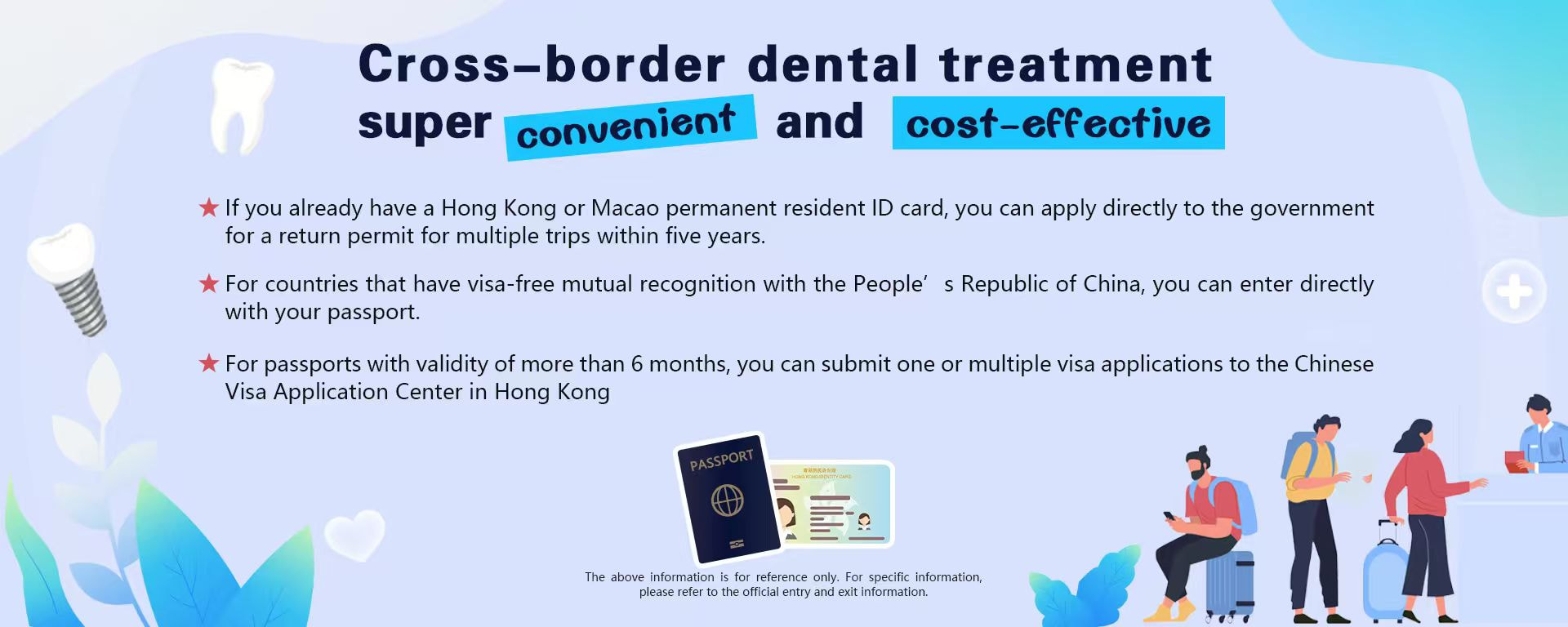
Before deciding to seek dental treatment across the border, ensure you verify the dentists credentials and the clinics environment. Choose a licensed dentist, and ensure follow-up visits are convenient. Its vital to understand that root canal treatment often requires multiple sessions, so plan your time and transportation accordingly.
If you experience discomfort after returning to Hong Kong from places like Shenzhen or Guangzhou, consult a local dentist for a reevaluation, bringing any previous medical records or X-rays for reference. Ignoring what seems like a "minor issue" could lead to more complicated dental problems.
**6. Preventing Re-infection**
Preventing future infections post-root canal is essential. Maintain a balanced diet, limit sweets, and ensure thorough brushing. Regular dental checkups and cleanings ensure that the crown remains intact without leakage. If poorly sealed, bacteria might reinvade the root canal, necessitating further treatment, which is both time-consuming and inconvenient.
**7. Conclusion**
In summary, theres no one-size-fits-all answer to whether antibiotics are necessary after root canal treatment across the border. Each individual’s dental condition and infection level vary, requiring a professional dentists assessment. Its crucial to avoid self-medicating and to adhere to your dentists instructions. With proper care and regular follow-ups, your teeth can stay healthy, irrespective of where the treatment was performed.
Before your next cross-border dental visit, engage in thorough communication with your dentist to fully understand the treatment process and necessary post-care. A healthy smile hinges on ongoing attention and care.
















