





**Is Traveling North for Root Canal Treatment Effective for Dead Tooth Nerves?**
In recent years, a notable number of Hong Kong residents have considered visiting cities like Shenzhen and Guangzhou in mainland China for dental care, especially for root canal treatment. Many friends ask, "If the tooth nerve is dead, is it still useful to travel north for root canal treatment?" Today, Im going to discuss this topic in-depth in a straightforward manner, providing insights for everyone.
**What is Tooth Nerve Necrosis?**
Tooth nerve necrosis refers to the death of the dental pulp tissue inside your teeth due to bacterial infection, trauma, or prolonged decay. A necrotic tooth nerve loses blood supply and becomes a breeding ground for bacteria, potentially leading to inflammation around the root area and even affecting the surrounding gums and jawbone. Patients often notice discoloration, experience sensitivity or discomfort while chewing, and sometimes observe swelling.
**Principles of Root Canal Treatment**
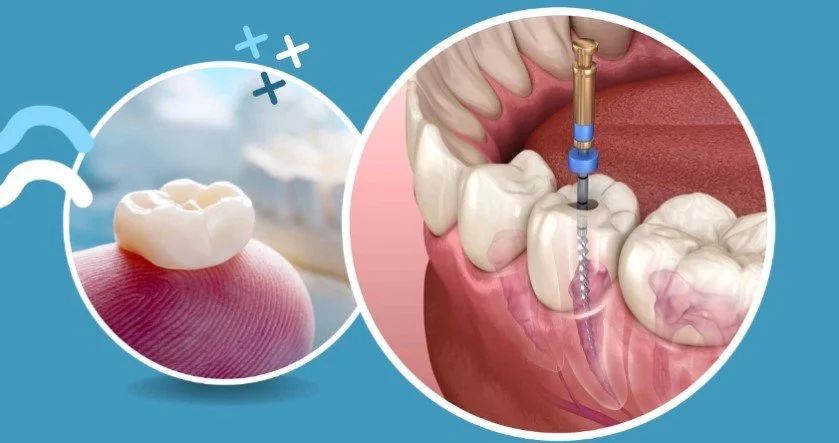
Root canal treatment (also known as endodontic therapy) involves using specialized instruments to remove the necrotic nerve and infected material from the root canal, followed by irrigation with disinfecting solutions, and filling the canal with sealing materials to prevent further bacterial invasion. The primary goal of this procedure is to retain the original tooth structure, thus avoiding tooth extraction and the consequent need for dentures or implants.
**Can Root Canal Treatment be Done on a Necrotic Tooth Nerve?**
The answer is: in many cases, yes. Although the nerve is already necrotic, as long as the overall tooth structure and roots are not severely fractured, and there isnt significant bone loss, root canal treatment can still be successful, prolonging the tooths lifespan. In severe necrosis cases, multiple treatments may be required to clean the infection thoroughly. This approach is commonly practiced by dentists in Hong Kong, and dentists in mainland China follow the same principles.
**Why Do Many Choose to Travel North?**
Aside from cost considerations, there are upgraded facilities and more treatment options available when traveling north. Many large dental centers in Shenzhen and Guangzhou have integrated digital imaging systems and electronic root canal machines, aiding dentists in precisely cleaning root cana
ls. Additionally, treatment scheduling is often faster, and waiting times are relatively short, making it convenient for many Hong Kong residents.
**Considerations Before Traveling North**
However, its not just about going somewhere cheaper for dental care. Pay attention to the following points:
1. **Dentist Credentials and Experience:** Ensure the dentist has a valid license and substantial experience handling root canal treatments.
2. **Clinic Hygiene and Equipment:** Root canal treatment requires precise dental procedures, making a sanitary environment and properly sterilized equipment crucial.
3. **Transport and Follow-up Care:** Consider whether it is convenient for multiple visits and how immediate follow-ups can be arranged in case of any issues.
4. **Medical Records Preservation:** It’s advisable to keep a record of the treatment process and any images or documents, facilitating future follow-ups with Hong Kong dentists.
**Post-Treatment Maintenance**
After completing a root canal treatment, the tooth is essentially nerveless and tends to be fragile. Many dentists recommend adding a protective crown to prevent fractures when biting hard objects. Maintaining good oral hygiene and regular cleaning and check-ups are key to prolonging the treatments effects. Even if youve opted for treatment north, continue with regular check-ups back in Hong Kong to ensure no new issues arise.
**When is Root Canal Treatment Not Suitable?**
If a tooth is severely cracked, has extensive root bone resorption, uncontrolled inflammation, or has advanced periodontal disease, the dentist might suggest extraction followed by implants or dentures as replacements. This principle is consistent across Hong Kong and mainland China.
**Conclusion**
Tooth nerve necrosis doesnt mean the tooth must be extracted. Root canal treatment is an effective method to preserve the tooth. The technique and care in mainland treatment centers are comparable to those in Hong Kong, but ensure you select qualified and reputable dentists and clinics for peace of mind. Remember, the success of treatment not only depends on the dentist’s skills but also on your oral care maintenance and follow-up visits. Oral health is lifelong; dont wait for unbearable pain before considering medical options. Early detection and timely treatment will truly help preserve your smile.
















