







**Should You Get a Dental Crown After Root Canal Treatment in Mainland China?**
In recent years, many residents of Hong Kong have opted to travel to Shenzhen or other Mainland Chinese cities for dental treatments. This is due to factors such as flexible scheduling, a wide range of clinic options, and advanced equipment. Among the various treatments available, **root canal treatment** is notably common. After undergoing a root canal, a frequent question arises: "Do I need a crown afterward?" Today, in a conversational tone, I’ll help you unravel this query to give you a clearer understanding.
**What is Root Canal Treatment?**
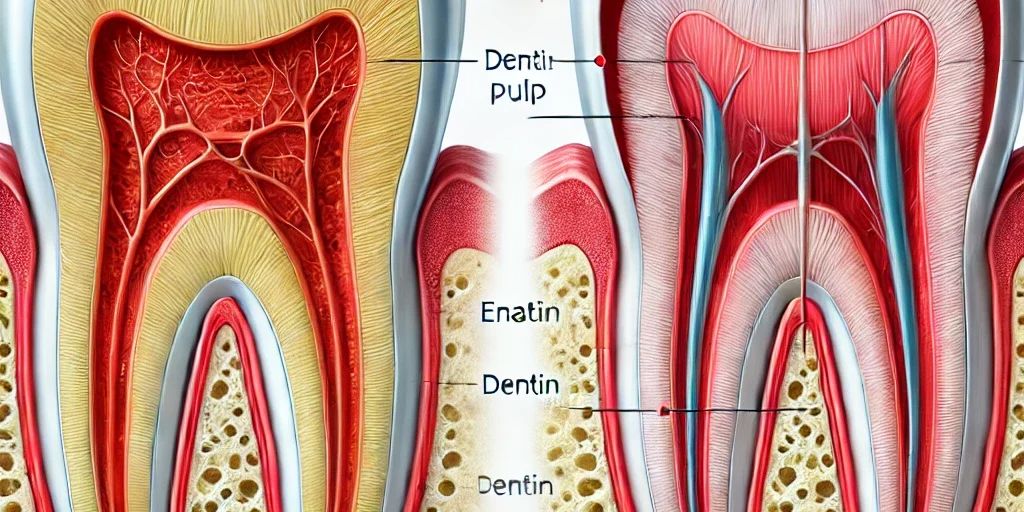
In simple terms, root canal treatment is a procedure designed to save a tooth with inflamed or infected pulp. The pulp contains nerves and blood vessels, and if it becomes inflamed or infected, it can cause severe toothache, making it difficult to chew. Dentists use specialized tools to remove the damaged pulp tissue, disinfect the root canal, and then seal it to preserve the tooths structure. While this procedure allows the tooth to remain functional, it also causes the tooth to lose its nerves and some moisture, making it more fragile.
**Why Consider a Dental Crown?**
Many people believe that once the root canal treatment is done, their tooth problems are solved. However, while the root is treated, the tooths crown may have lost a significant portion of its structure. Without nerves, the tooth can easily crack if it continues to chew hard objects. A dental crown acts like a protective suit, distributing bite forces evenly and reducing the risk of the tooth fracturing further.
**When is a Dental Crown Necessary?**
Not every tooth that undergoes root canal treatment requires a crown. It depends on the specific circumstances:
- If the treated tooth is a molar, which typically handles significant bite force, a crown is generally recommended for protection.
- If the tooth has a deep cavity and minimal natural tooth structure remains, a crown is often the only way to prevent it from breaking.
- For front teeth, aesthetics play a large role and the bi
te force is usually less intense, so sometimes filling materials suffice. However, if there is significant loss of tooth structure, a crown might be necessary.
**Benefits of Getting a Dental Crown**
1. **Protects Tooth Structure**: Reduces the likelihood of the tooth breaking again, thereby extending its lifespan.
2. **Improves Bite Function**: Allows for more natural chewing without risk of damage from hard foods.
3. **Enhances Aesthetics**: Particularly for front teeth, crowns can match the color and shape of natural teeth, enhancing your smiles confidence.
**Risks of Skipping a Dental Crown**
Without a crown, the tooth may be subjected to forces that could cause it to crack, potentially reaching the root and making it irreparable, necessitating extraction. This would lead to more complex solutions such as dentures or implants.
**Considerations for Getting Treatment in Mainland China**
While going to Mainland China for dental work can be convenient, keep these factors in mind:
- **Treatment Plan**: Discuss thoroughly with your dentist to understand their recommendation for a crown.
- **Material Choices**: Crowns come in various materials like all-ceramic or metal-ceramic, each with pros and cons, so choose based on your tooths needs.
- **Aftercare**: After getting a crown, maintain regular check-ups and cleanings to ensure gum health and prevent other periodontal issues.
**Tips for Daily Life**
Even with a crown, avoid chewing extremely hard items like bottle caps, hard candies, or bones, which can damage the crown. Distribute chewing forces by using both sides of your mouth, and clean around the crown diligently to prevent debris buildup.
In summary, deciding on a crown after root canal treatment involves assessing the tooths damage extent, location, and your lifestyle habits. Generally, getting a crown on a molar post-root canal is safer, while front teeth might require further consideration of both aesthetics and structure. Whether in Hong Kong or abroad, always take care of your teeth to prevent cavities and damage, ensuring a lasting, healthy smile.
















