




**Is Getting a Root Canal in Mainland China Smooth for Hong Kong Residents?**
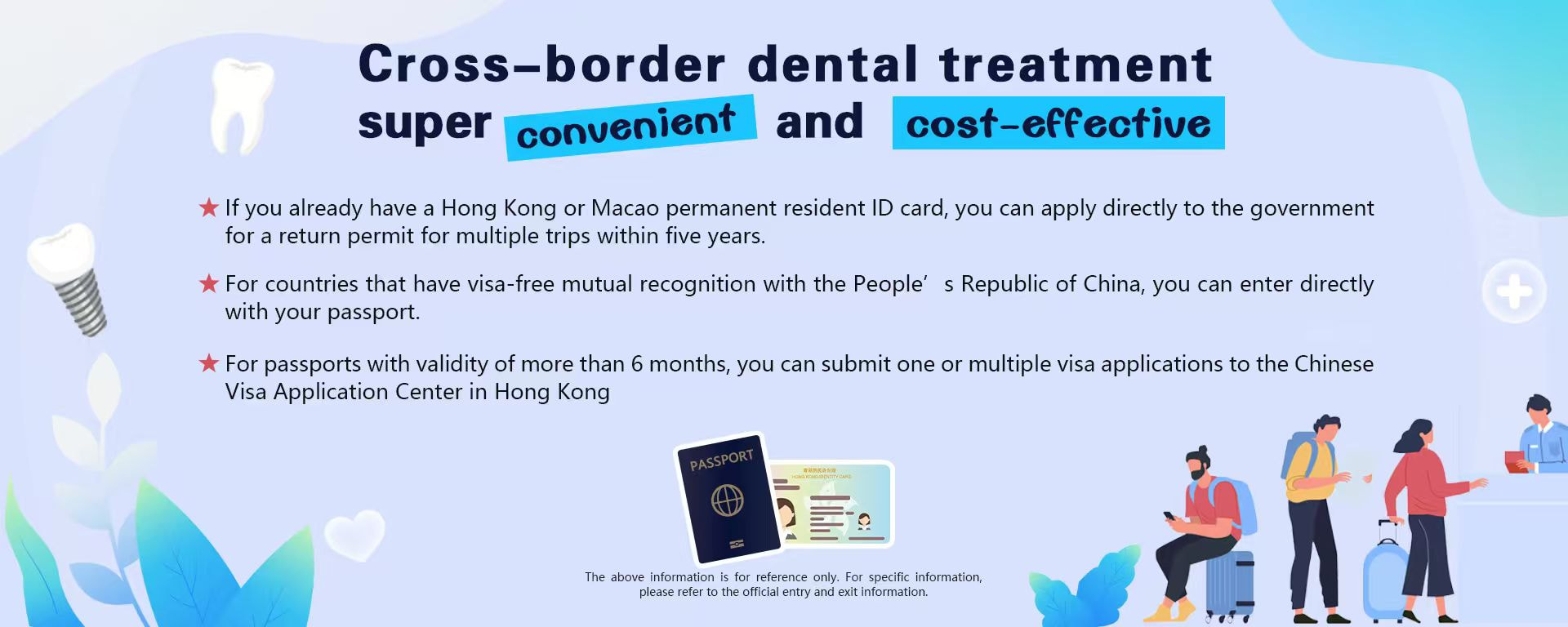
In recent years, many people from Hong Kong have traveled to mainland China for root canal treatments. There are several reasons for this trend: some seek more treatment options, others are intrigued by new techniques, or they simply take the opportunity to visit friends. However, aside from the quality of care, smooth communication is a major concern for Hong Kong residents. Root canal treatments are inherently complex, and miscommunication with the dentist can significantly affect the overall experience.
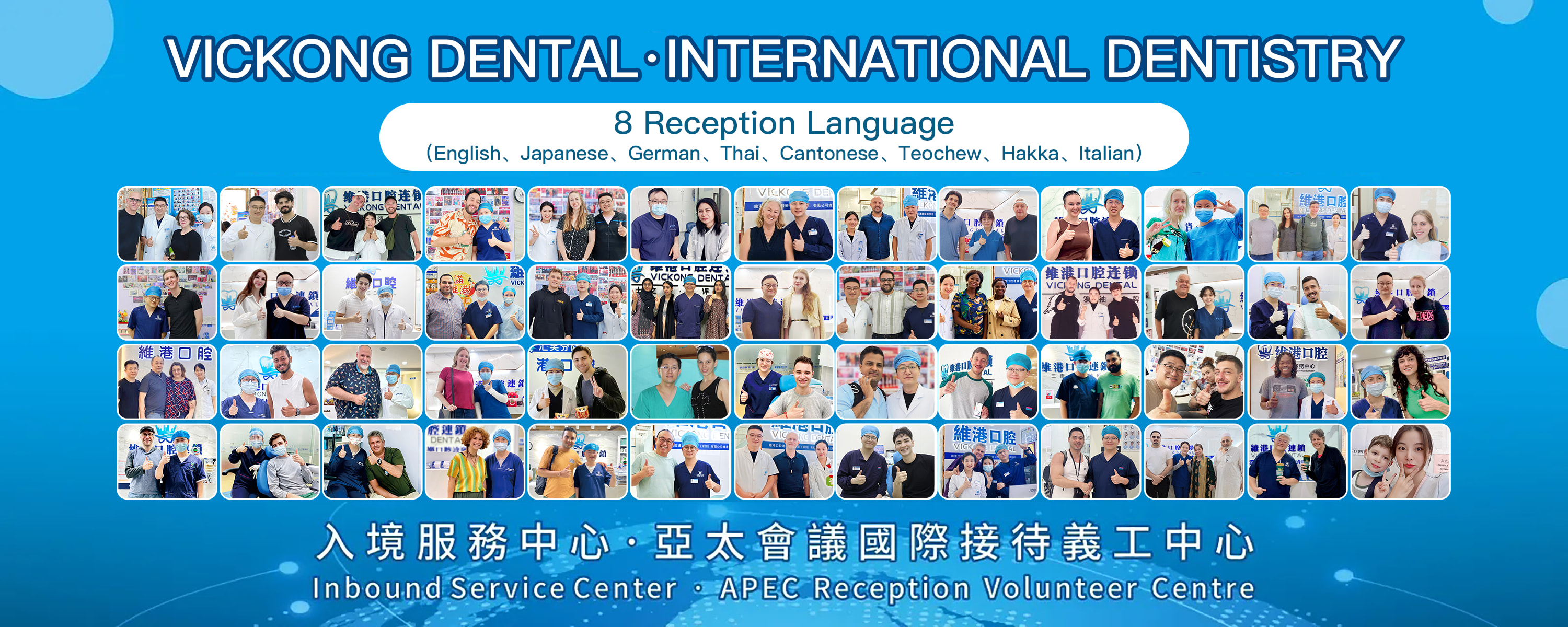
First, lets discuss the language aspect. In most dental clinics in mainland cities, doctors and nurses primarily speak Mandarin. However, many clinics are accustomed to catering to Hong Kong clients and use basic Cantonese for everyday explanations. For Hong Kong residents who are proficient in fundamental Mandarin, communication becomes easier. Yet, many from Hong Kong arent fluent in Mandarin, especially when it involves specialized dental terms, leading to partial understanding. If a dentist can proactively explain in Cantonese or use written notes, diagrams, and demonstrations, it greatly reduces misunderstandings.
Beyond language, the dentists attitude and patience are crucial. In Hong Kong, patients are used to thoroughly understanding the entire treatment process, from examination and X-rays to diagnosis, crown removal, canal cleaning, sterilization, and sealing. In mainland China, some dentists provide detailed explanations, while others may quickly propose a treatment plan without step-by-step reasoning. To feel at ease, Hong Kong residents can communicate their need for comprehensive explanations before the appointment, ensuring that the dentist takes it step by step. Even in Mandarin, with slower speech and multimedia aids, communication can be smooth.
Another factor is cultural differences. The dentist-patient relationship in Hong Kong is often more laid-back and informal, with dentists chatting and laughing with patients. In contrast, some mainland clinics maintain a more professional and structured approach, delivering information directly and accurately without m
uch small talk. For those used to a casual atmosphere, this might initially feel distant. However, by initiating conversations about treatment insights or oral care tips, many mainland dentists are willing to share and might even offer advice not commonly found in Hong Kong.
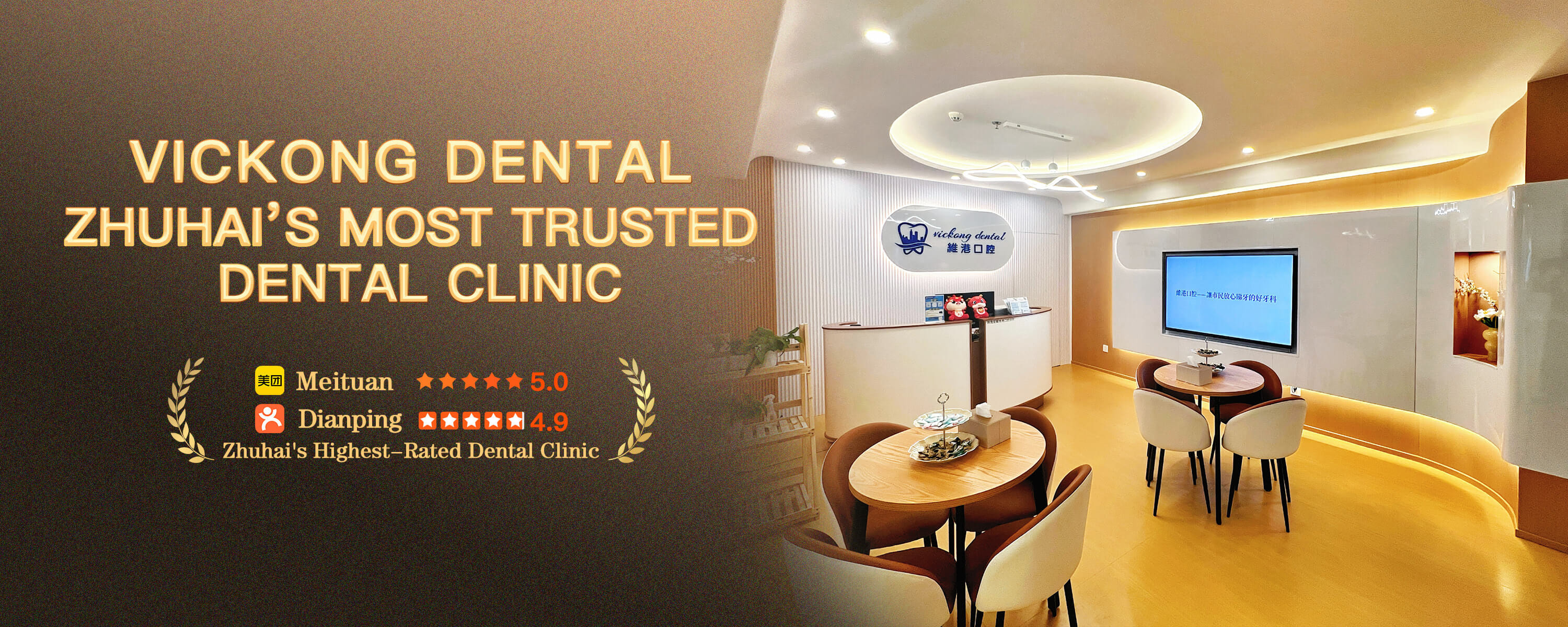
Regarding the clinic environment and amenities, many clinics in mainland China are modern and well-equipped, highly valuing clientele from Hong Kong. Some even offer dedicated translation services to assist throughout the treatment, from reception to procedure. For those concerned about their Mandarin proficiency, choosing a clinic with translation services or Cantonese-speaking dentists eliminates the pressure. Some places utilize WeChat for appointments and follow-ups, which is convenient for Hong Kong residents who are familiar with the app. Text and photo messaging features are particularly suited for ongoing root canal cases.
Root canal treatments typically require multiple visits, so its important for Hong Kong residents to discuss the treatment duration and follow-up schedule, considering travel time and holiday planning. Having a clear timetable helps set expectations and avoids surprises in the treatment process.
Overall, communication during root canal procedures in mainland China is generally smooth, especially in major cities or clinics that frequently serve Hong Kong clients. The key difference lies in upfront communication about preferred communication styles, such as more Cantonese usage, detailed explanations, or written documentation of treatment plans. Once preferences are clear, dentists are usually accommodating, allowing Hong Kong residents to undergo stress-free treatments without language or cultural barriers impacting the results.
Ultimately, for Hong Kong residents, seeking root canal treatments in mainland China not only broadens medical options but also offers a chance to experience different healthcare cultures. By leveraging personal communication skills and selecting suitable clinics and support services, they can effortlessly receive professional care, build trust with the dentist, and collaboratively complete the treatment, whether in Mandarin or Cantonese.
















