




**"Things to Consider When Traveling North for Your First Root Canal Treatment"**
Nowadays, many people choose to travel north for dental treatments, especially for lengthy procedures that require multiple follow-ups, such as root canal treatment. It’s natural to feel a bit nervous and unsure about where to start on your first trip. However, with adequate preparation and attention to key points, the process can go smoothly.
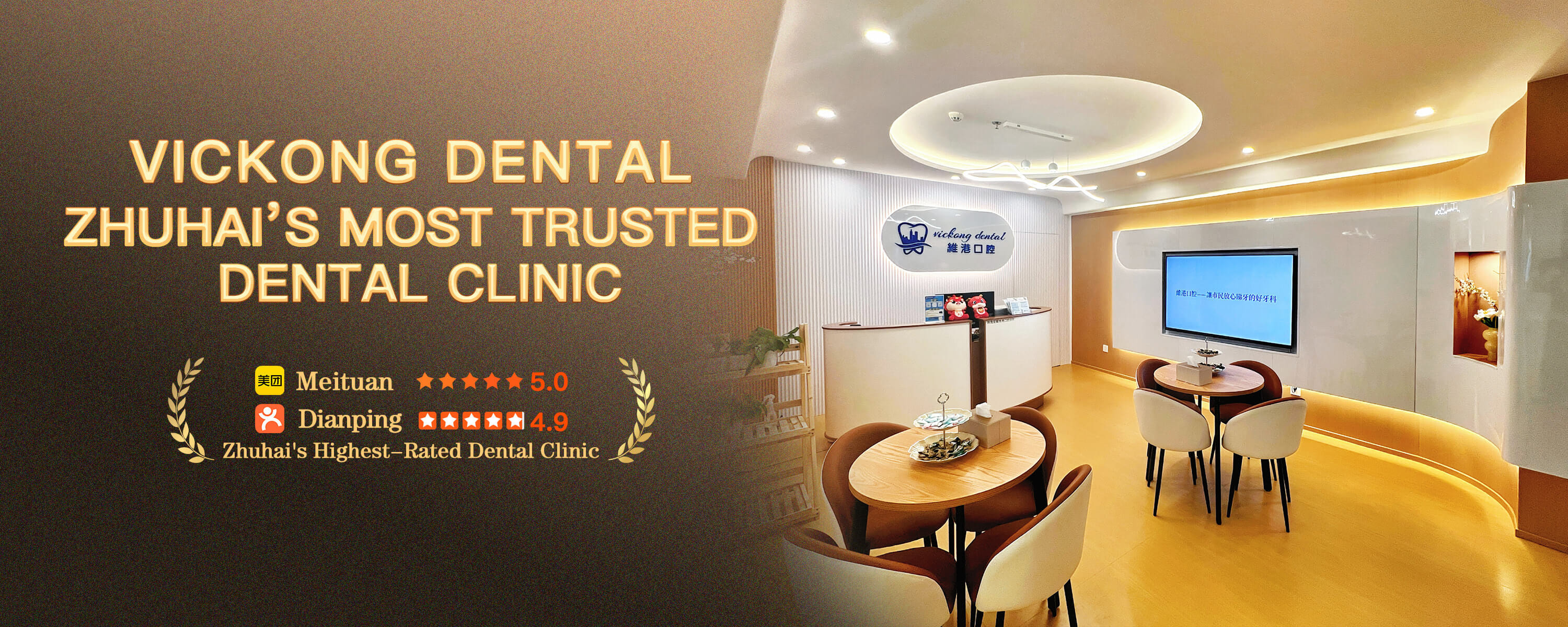
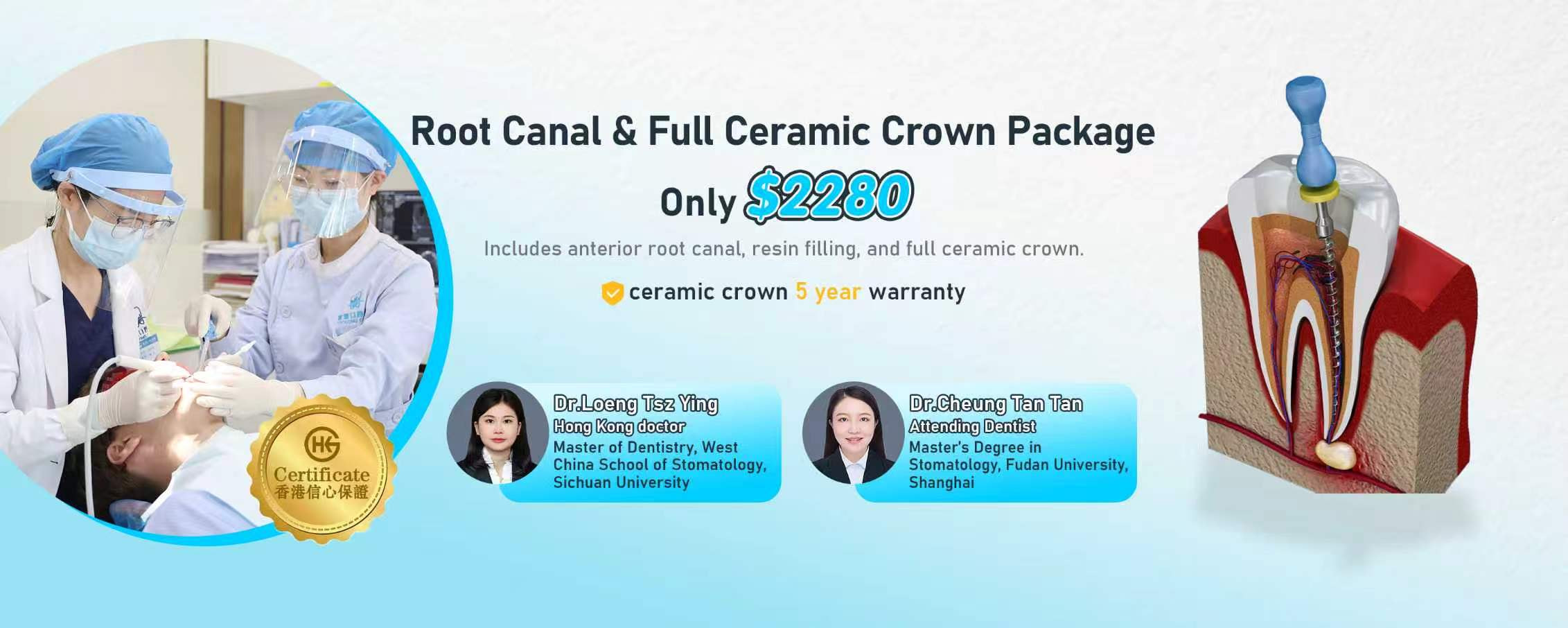
First, its important to understand what a root canal treatment entails. Essentially, when the pulp inside a tooth becomes inflamed or infected, the dentist cleans out the diseased tissue and seals the space with filling material. This treatment usually occurs over multiple sessions spaced a few days to a couple of weeks apart. As such, you should consider your schedule and the convenience of transportation. On your first trip north, it’s advisable to find a reputable dental clinic or hospital. You can rely on recommendations from friends and family or check online reviews and ratings.
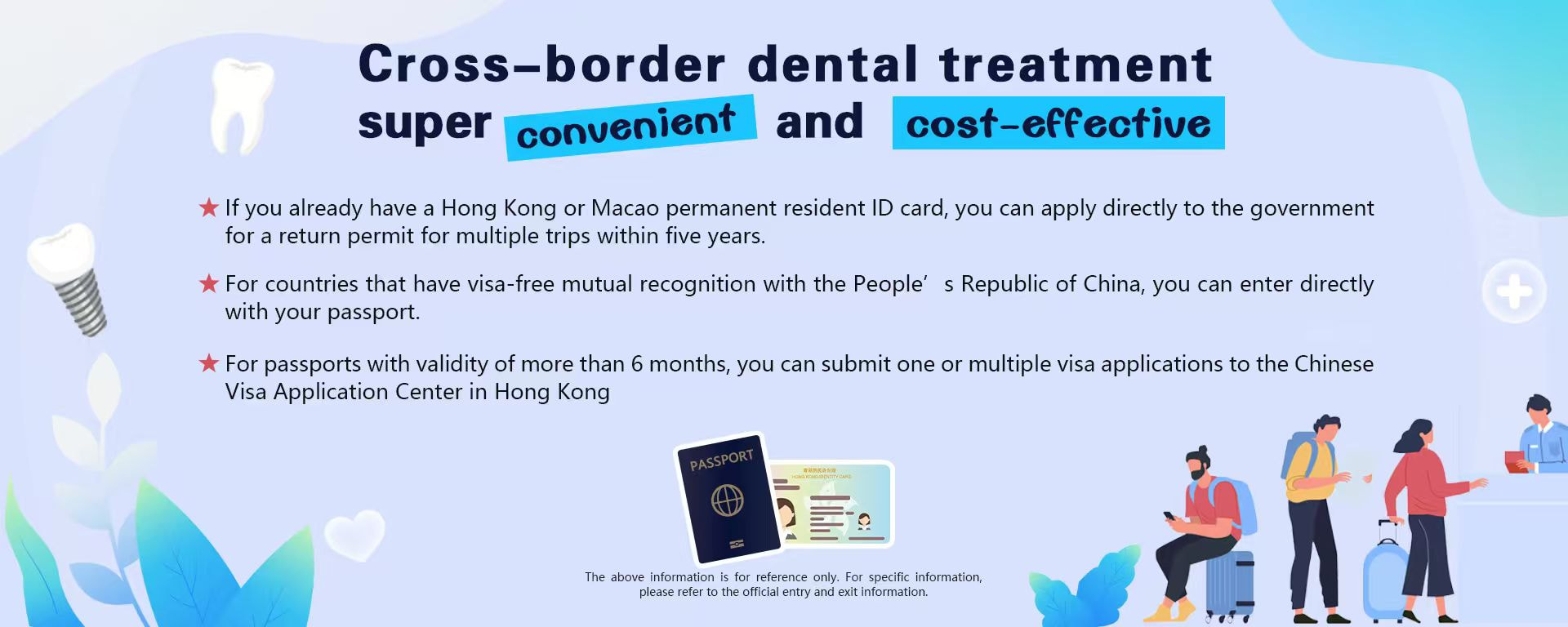
Second, familiarize yourself with the location of the clinic and transportation options. Different areas in the north have various modes of transport. Some clinics may be closer to train stations or border crossings, while others may require a subway or bus transfer. If its your first visit, be sure to allow plenty of time to get there, as being late could disrupt your treatment. Additionally, select a location with easy access to follow-up appointments wont be too cumbersome.
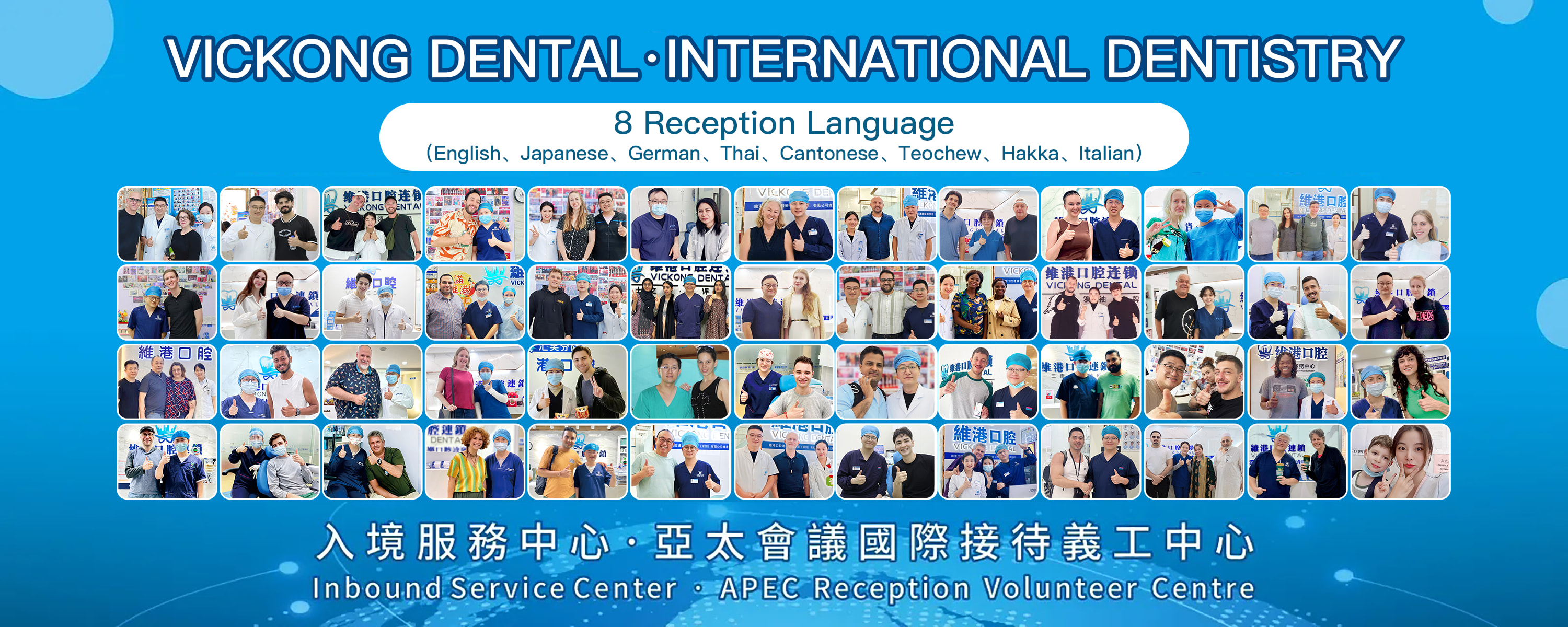
Third, language communication is key. While Cantonese is the native language for many people in Hong Kong, not every dentist in the north may understand it. Its wise to prepare to communicate in Mandarin, or you could write down your dental history, past medical conditions, and any allergies to give to the dentist. This way, even if there is a language barrier, the dentist can accurately assess your needs and devise a treatment plan.
Fourth, remember to bring all relevant documentation. This includes any dental X-rays and medical records from previous check-ups in Hong Kong. If you have an insurance card or medical certificate, bring those too, as they can help the dentist understand your condition better. Often, dentists will suggest taking new X-rays for reference, but having previous records can aid in comparison and analysis, reducing the risk of misdiagnosis.
Fifth, be mentally prepared, as root canal treatment is not completed in a single session. The process can be lengthy, and some steps might cause slight discomfort. The environment might differ from whats familiar in Hong Kong, but its important to stay relaxed and build trust with your dentist. If you feel any discomfort or dont understand something, communicate immediately rather than enduring it or guessing. Good communication can prevent many unnecessary issues.
Sixth, dont neglect post-treatment care. After a root canal, your tooth will be more sensitive for a period. Follow your dentists instructions on biting and return for check-ups as advised. Dont assume everything is resolved after one trip north; sometimes, it may take two or three visits to complete the entire course of treatment. Meanwhile, maintain oral hygiene and avoid consuming very hard or sticky foods.
Finally, traveling north for your first root canal can be a novel experience and a test of your preparation and adaptability. With a plan, proper documentation, and clear communication, both the treatment process and the subsequent care can be more effective. Don’t fear the hassle; by arranging your schedule, documents, and transportation in advance, you can manage your dental health with ease.
After all, your teeth are for life, and addressing significant issues properly once can save future troubles. On your first trip north, you might find yourself becoming more familiar with the medical environment there. If the need arises in the future, youll handle it more confidently. We hope everyone successfully completes their treatment and enjoys an even brighter smile.
















