





**Post-Treatment Dietary Guidelines for Northern Root Canal Procedures: Are They Strict?**
In recent years, more Hongkongers have opted to travel to mainland China for dental treatments. Among the popular choices is root canal treatment, mainly because of flexible scheduling, convenient transportation, and technology that rivals local standards. However, the primary concern for many after undergoing the procedure is: "Are the dietary restrictions strict?" Whether the treatment is done in Hong Kong or mainland China, the post-operative care and dietary guidelines for root canal procedures are quite similar.
**What is Root Canal Treatment?**
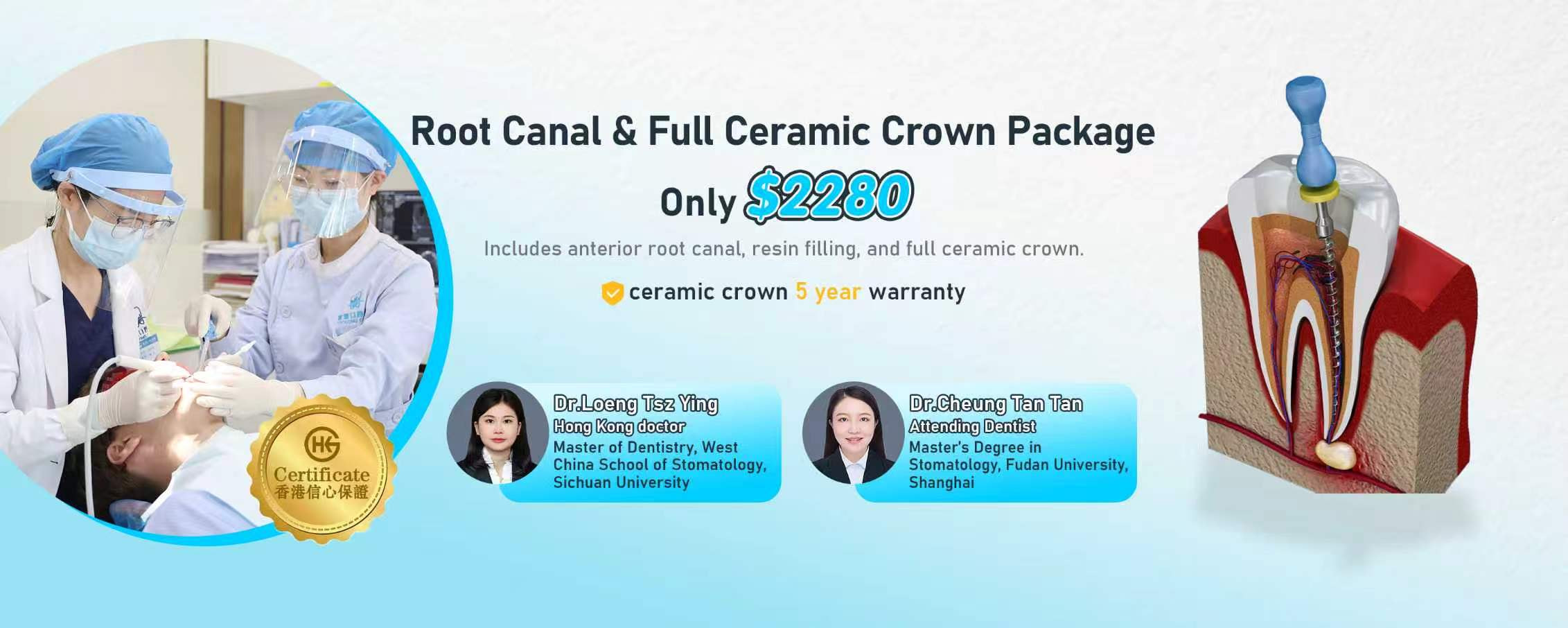
In simple terms, root canal treatment aims to save a severely decayed tooth or one with inflamed pulp. The dentist cleans out the infected or necrotic tissues from the tooth pulp and then seals the root with specific materials to prevent further bacterial invasion. While not classified as surgery, it involves the tooth pulp, which can leave the treated tooth and gums feeling sensitive for a period.
**How Important Are Dietary Restrictions After Root Canal Treatment?**
To be honest, dietary restrictions arent about being overly cautious; they are scientifically backed. After surgery, the tooth structure is temporarily fragile, and the sealed area needs time to stabilize. Consuming food that is too hard or extremely hot or cold can disrupt the seal or stimulate the teeth pulp, potentially causing pain or reinfection. Thus, adhering to dietary restrictions is akin to an adjustment period to help your tooth gradually adapt.
**What Should You Eat in the First Few Days Post-Treatment?**
Generally, the first three to five days are crucial. During this time, choose soft, easily chewable foods such as rice porridge, steamed eggs, and thoroughly cooked vegetables. Try to avoid chewing with the treated side to minimize pressure. For beverages, stay away from hot tea or icy drinks immediately; room temperature water is safest.
**Foods to Avoid**
- **Too hard**: Foods like peanuts, hard cookies, and fried meatballs can exert pressure on the teeth.
- **Too chewy**: Squid and beef tendon require prolonged chewing, potentially disturbing the root area.
- **Extreme temperature**: Consuming overly hot or cold foods can heighten tooth sensitivity.
- **Too sweet**: Sugary treats can reactivate oral bacteria.
**Mid-Term Transition**
After a week, if your dentist confirms there are no issues, you can gradually return to a regular diet. Its advisable to transition slowly, starting with soft foods and moving to slightly harder items based on your tooths response. For those who had a root canal treatment in mainland China, take advantage of this period for recovery monitoring, and contact your dentist immediately if discomfort arises.
**Additional Post-Treatment Care Tips**
Besides dietary care, maintain good oral hygiene. Use gentle toothpaste when brushing and avoid overexertion on the treated area. Rinse your mouth daily with warm water to help reduce bacteria accumulation. Avoid eating and sugary drinks before bedtime to minimize the risk of reinfection.
**Mental Preparation and Patience**
Some individuals find dietary restrictions cumbersome but remember, the aim of root canal treatment is to preserve the tooth. The patience you exhibit over a few weeks contributes to long-term dental health. Especially after returning from treatment in mainland China, where daily dentist visits may not be possible, personal vigilance in dietary and care routines is essential.
**Conclusion**
The dietary guidelines following a root canal treatment performed in mainland China are similar to those in Hong Kong and arent excessively "strict." They are tailored to match the recovery needs of your teeth. By adhering to a soft food diet and avoiding extreme temperatures and textured foods during the initial weeks, along with sustaining good oral hygiene, your tooth will soon regain normal functions. Remember, dietary restrictions arent about limiting your lifestyle but are an investment in protecting your tooth for lasting health and stability.
















