





**Experience with Cross-Border Root Canal Treatment: Is the Tooth Stability High?**
In recent years, many Hong Kong residents have considered visiting cities like Shenzhen, Guangzhou, or other northern regions in mainland China for dental treatments, particularly root canal procedures. The reasons extend beyond convenient transportation and a diverse selection of clinics. Many Chinese dental technologies and equipment have advanced significantly, with some places even boasting more cutting-edge instruments than those in Hong Kong. However, a common concern remains: Is the stability of the tooth satisfactory after a root canal treatment in China? Is there a risk of tooth loosening, tooth loss, or discomfort while eating?
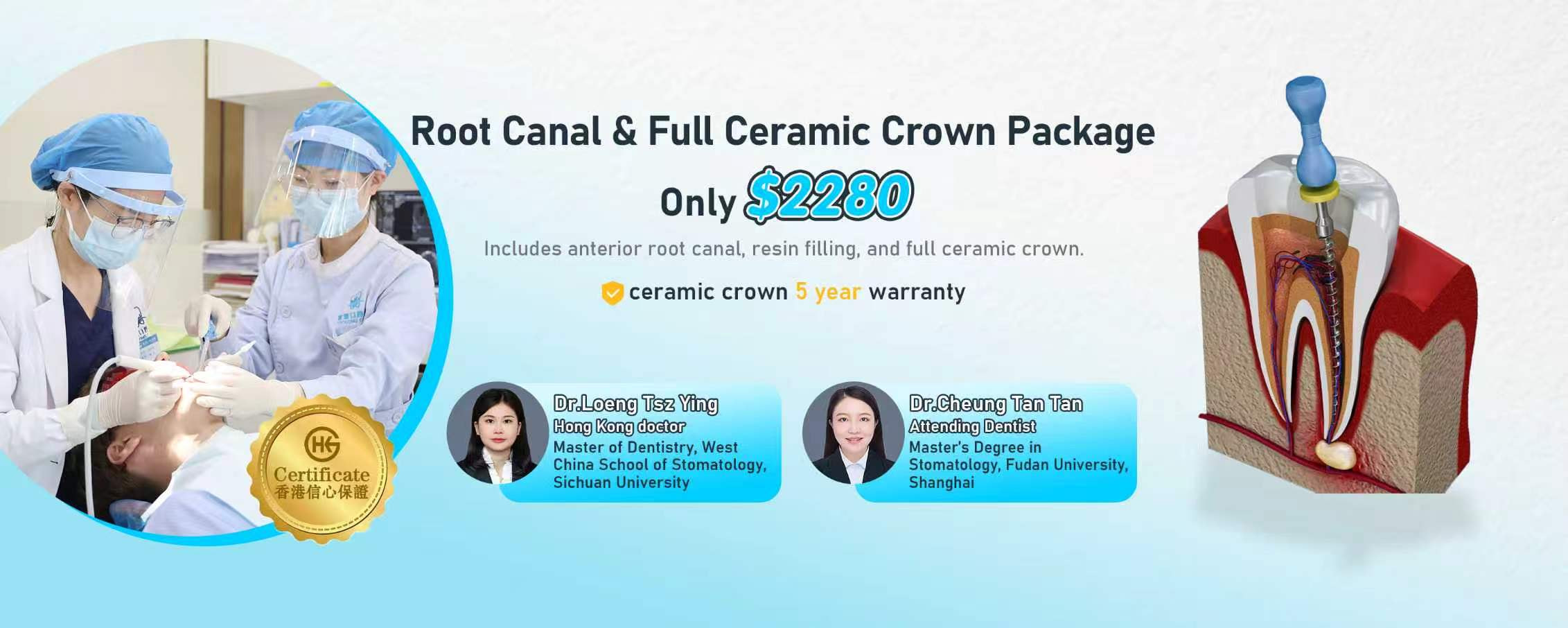
First, its essential to understand what a root canal treatment entails. Essentially, when a tooth is afflicted by decay or injury leading to pulp infection, a dentist removes the infected tissue inside the tooth and seals the canal with special materials. This procedure preserves the original tooth, preventing the need for extraction. Afterward, its common to reinforce the tooth with a crown or filling to prevent fractures when biting.
The perceived stability of a tooth after undergoing a root canal treatment in mainland China depends on several factors:
1. **Dentists Skill and Experience:** Root canal treatment requires meticulous precision. The dentist must thoroughly clean the root canal and ensure a tight seal to maintain the tooths functionality over time. Many dental clinics in larger cities utilize high-definition microscopes and digital X-rays, enhancing the accuracy of the procedure.
2. **Materials Used in Treatment:** The quality of the sealing material and crowns directly affects the tooths bite strength and durability. Many mainland clinics have begun using internationally certified materials, comparable to those available in Hong Kong. Patients are encouraged to inquire about the brands and specifications used to ensure peace of mind.
3. **Post-operative Care and Follow-up:** Root canal treatment may require multiple visits and periodic check-ups to monitor the tooths condition. Planning transportation and follow-up visits is essential when seeking treatment outside of Hong Kong. Maintaining oral hygiene and avoiding overly hard foods is crucial to sustaining tooth stability.
Some may worry about facing complications in Hong Kong after receiving treatment in mainland China. Selecting a clinic with comprehensive medical record-keeping, possibly providing electronic records accessible to Hong Kong-based dentists, can facilitate any necessary follow-up. As cross-border travel has become more convenient, returning to the original clinic in case of emergencies is feasible.
Many shared experiences indicate that with a competent dentist, quality materials, and diligent care, the tooth stability post-treatment compares favorably with that achieved in Hong Kong. Some individuals even report improved bite comfort. Of course, individual dental conditions and responses to treatment vary. For those with prior periodontal issues or significant gum recession, additional care is required post-treatment. An expectation of brand-new teeth strength may be unrealistic.
An important aspect to consider is the psychological adjustment when visiting a new place for dental care. Concerns about language barriers or unfamiliar procedures are common. However, many dentists in mainland China are proficient in both Mandarin and Cantonese, ensuring smooth communication. Expressing your expectations regarding tooth stability and biting habits to the dentist allows for personalized adjustments.
In conclusion, the stability of your tooth after a cross-border root canal treatment is influenced by more than just location. It depends on the dentists expertise, the equipment and materials used, and your post-treatment care practices. By choosing a reputable clinic with advanced facilities and experienced dentists, combined with careful post-operative care, you can achieve good durability and a sense of security for your treated tooth. Whether you opt for treatment in Hong Kong or mainland China, comprehensive research and understanding of the procedure steps are crucial for achieving optimal results and heightened tooth stability.
















